Blue has quietly become the go-to color for homeowners seeking a living room that feels both sophisticated and welcoming. Whether it’s a soft sky tone or a dramatic navy, blue living room decor offers something rare: it calms without feeling cold, and elevates without demanding perfection. Unlike trendy pastels that fade fast or bold reds that exhaust the eye, blue brings psychological comfort while maintaining visual interest. If you’re ready to move beyond beige and create a space where you actually want to spend time, blue is the smart choice.
Table of Contents
ToggleKey Takeaways
- Blue living room decor triggers psychological calm and rest while maintaining visual sophistication, making it more durable and versatile than trendy alternatives like pastels or grays.
- Light blues work best in rooms with natural light and high ceilings to create airiness, while deep navy and indigo shades demand good artificial or cool natural light to avoid feeling cramped.
- An accent wall is the safest entry point for blue living room design, requiring proper prep work, quality primer, and thin multiple coats applied with a wet edge to avoid visible lap marks.
- Pair blue walls with white or cream sofas, warm wood furniture, and brass or gold accents to create balance and prevent the space from feeling cold or sterile.
- Layered lighting with dimmer switches and warm-toned lamps (2700K) is essential to enhance blue’s calming effect and prevent cool-toned blues from feeling cave-like.
Why Blue Is The Perfect Choice For Living Room Design
Blue works harder than most colors. It triggers the parasympathetic nervous system, the one responsible for rest and recovery, which is exactly what a living room should encourage. Unlike warmer tones that energize (perfect for kitchens and home offices), blue creates a natural wind-down effect without feeling gloomy.
Blue also bridges design gaps. It pairs equally well with minimalist, mid-century, coastal, or traditional aesthetics. A homeowner redesigning a home town living room or updating a dated space finds that blue acts as a neutral anchor for any decor direction. It accepts gold, brass, wood tones, and cool metallics without complaint.
Practically speaking, blue hides dust and minor wall imperfections better than lighter colors, and it doesn’t date as quickly as trending grays or warm neutrals. This staying power matters when you’re committing to paint, furniture, and accessories.
Choosing The Right Shade Of Blue For Your Living Room
Not all blues are created equal. The trick is matching the undertone and depth to your room’s natural light, existing finishes, and the mood you want to set.
Light And Airy Blues For Open Spaces
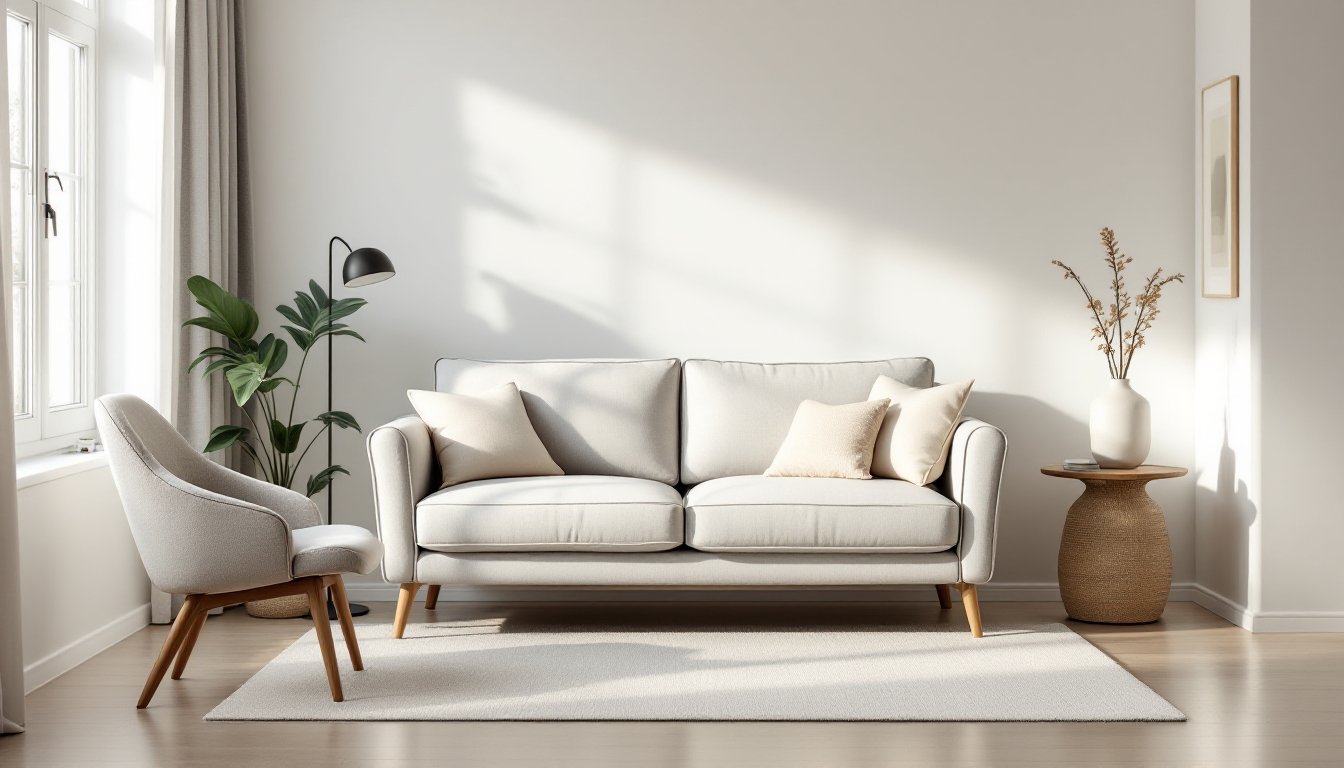
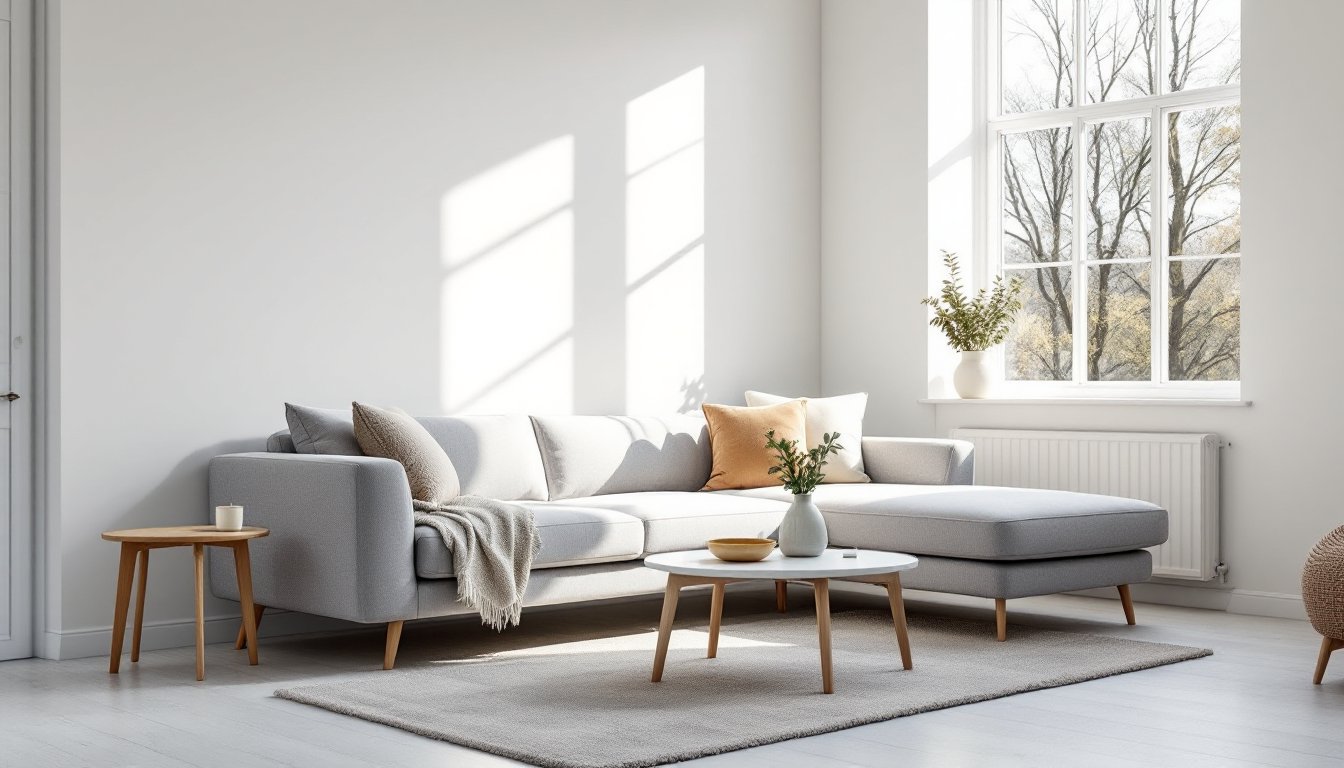
Light blues, think soft periwinkle, powder blue, or pale cerulean, work best in rooms with consistent natural light and higher ceilings. These shades make spaces feel larger and less formal, perfect for open-plan layouts where the living room connects to other areas.
When selecting a light blue, bring paint samples home and observe them at different times of day. A blue that reads calm in morning light might shift toward gray or green in afternoon shadow. Quality interior designers on MyDomaine and similar resources recommend looking at undertones: some light blues lean toward purple (cooler, more restful), while others have green undertones (fresh, almost spa-like).
Application tip: Light blues often need two coats and a quality primer, especially over yellowed or previously dark walls. Budget an extra gallon if you’re new to painting.
Deep Navy And Indigo For Sophisticated Elegance
Dark blues, navy, indigo, and slate-toned blues, create drama and intimacy. They work beautifully in rooms with good artificial lighting or north-facing windows that receive softer, cooler natural light. The risk? They can feel small if the room is already cramped or poorly lit.
Navy pairs exceptionally well with warm wood finishes and brass accents. Indigo-leaning blues (slightly purple) work with both warm and cool metallics. If you’re drawn to a deep blue but worry about darkness, paint just one accent wall or use it in a smaller, well-lit room first.
One more consideration: sample a dark blue on the wall where you plan to place your largest furniture piece (sofa, entertainment unit, or shelving). These pieces will interact with the wall color and can either enhance or fight the shade.
Blue Accent Walls And Paint Techniques
An accent wall offers the safest entry point if you’re hesitant about committing fully to blue. One wall, usually the one your sofa faces or the first wall you see entering the room, becomes the focal point. The other three walls stay white or a complementary neutral.
When painting an accent wall, prep matters more than most DIYers expect. Fill holes with spackle, sand smooth, clean dust thoroughly, and use a quality primer. Blue, especially darker shades, shows lap marks and roller stipple if you rush. A low-nap roller (3/8″) gives a smoother finish than a textured one.
Technique: Paint horizontally in sections about 3 feet wide, overlapping slightly before the edge dries. Maintain a wet edge, never let the paint dry before blending the next section. Two thin coats beat one thick coat every time: thick coats sag, drip, and show unevenness.
For a more adventurous approach, consider a two-tone effect: a darker blue on the bottom half of the wall transitioning to a lighter shade or white above a horizontal line. This adds visual interest and can make ceilings feel higher. Use painter’s tape and a level, no freehand lines unless you’ve done this before.
If full paint commitment feels premature, wallpaper (especially peel-and-stick styles for renters) lets you test blue without permanent commitment. Quality removable wallpaper in blue patterns rivals paint in impact and takes less time to install.
Furniture And Textiles To Complement Blue Walls
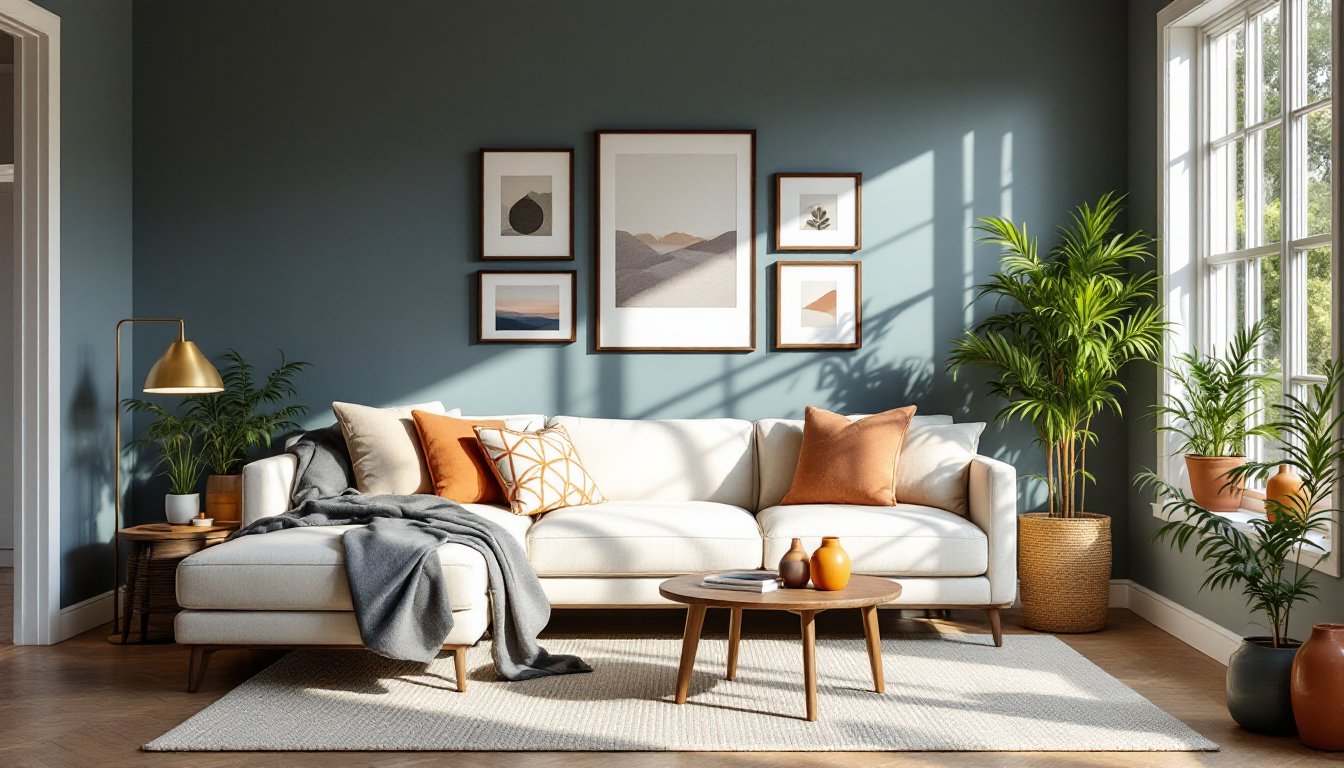
With blue walls anchoring the room, furniture and textiles create layers. A white or cream sofa against a mid-tone blue is foolproof: it brightens the space and offers visual rest. If you prefer pattern, consider upholstery with blue as a secondary color, stripes, geometric designs, or subtle florals prevent the room from feeling monochromatic.
Textiles (throw pillows, blankets, area rugs) do the heavy lifting for personality. Warm neutrals like terracotta, warm grays, or cream balance cool blue. Gold or brass accents, through lamps, side tables, or hardware, add richness. For an unconventional twist, layer in a complementary color. Soft coral, warm peachy tones, or even muted ochre create visual tension in the best way. Design inspiration sites like Home Bunch frequently showcase how unexpected color pairings elevate blue spaces.
Wood furniture plays beautifully with blue. Medium to dark wood (walnut, oak, or stained pine) adds warmth that prevents the room from feeling sterile. Lighter wood (ash, maple) keeps things airy and Scandinavian-feeling. Avoid furniture that exactly matches your wall tone: repetition flattens the space.
For a gallery wall, incorporate frames, artwork, and textiles that echo existing accents in the room. Living room wall art doesn’t have to match the blue exactly, often the contrast is what makes it pop.
Lighting And Accessories That Enhance Blue Decor
Blue’s true color depends entirely on light. Cool white or daylight bulbs emphasize blue’s natural calm, while warm white (2700K) softens it and adds coziness. Most living rooms benefit from a mix: overhead fixtures for function, warm lamps for ambiance, and dimmer switches for flexibility.
Layered lighting, ceiling fixture, floor lamp, table lamp, and wall sconces, gives you control over the room’s mood. If your blue leans cool, warm accent lighting prevents the space from feeling like a cave. Brass or gold fixtures warm up cool blues: chrome or brushed nickel keeps things contemporary.
Accessories should feel intentional, not cluttered. A few well-chosen pieces beat dozens of competing items. Brass candle holders, ceramic vases in complementary tones, books with interesting spines, and plants add texture without chaos. Indoor plants for living room spaces soften hard lines and introduce natural green, a color that naturally complements blue.
If you’re designing a more formal look, consider model home living rooms as reference. These spaces often nail the balance between curated and livable. Magazines, design websites like House Beautiful’s blue room gallery, and professional styling accounts show how restraint and intentional placement elevate blue decor.