Choosing the right sofa for a small living room isn’t just about fitting furniture through a doorway, it’s about maximizing comfort and style in every square inch. Most people underestimate how much the wrong sofa can drain a tiny space, making rooms feel cramped and awkward. The good news is that today’s sofas for small living rooms come in smarter designs, better proportions, and flexible configurations that don’t sacrifice comfort. Whether you’re furnishing an apartment, condo, or cottage, finding seating that works with your layout, not against it, makes all the difference. This guide walks through the best options, from sectionals to sleepers, helping homeowners and renters make an informed choice that fits both their space and lifestyle.
Table of Contents
ToggleKey Takeaways
- Choosing the right sofa for a small living room requires balancing size, depth, and proportions to maximize comfort without making the space feel cramped.
- Sectional sofas with tapered legs and 36-to-42-inch seat depths are ideal for small living rooms when they align naturally with your room’s L-shaped layout.
- Loveseats and apartment-sized sofas (60-75 inches wide) are practical workhorses that fit through doorways and pair well with single accent chairs for flexible seating arrangements.
- Light, neutral colors and exposed legs create a visual sense of airiness, while dark colors and full bases make compact spaces feel smaller and heavier.
- Sleeper sofas offer multi-functional value for occasional guests, but modern designs with full-size mattresses and pull-out platforms are more comfortable than older metal-frame versions.
- Measure doorways, hallways, and room layout before ordering, and always test sofas in person to ensure they fit both your space and lifestyle needs.
Why Sofa Selection Matters In Compact Spaces
A sofa in a small room isn’t just furniture, it anchors the entire space. When it’s the wrong size or style, it wastes square footage, blocks sightlines, and makes the room feel smaller than it actually is. The right sofa, conversely, can define the room functionally while keeping it open and livable.
Scaling matters more in compact spaces than anywhere else. An oversized sectional that looks great in a showroom might swallow a 12-by-14-foot living room, leaving barely enough walking space. Depth, arm width, and leg style all affect how much visual and physical space the sofa actually consumes. A sofa with skinny legs and a lower profile feels lighter and less imposing than one with a solid base or chunky rolled arms.
Apartment And Condo Living Challenges
Apartment and condo living brings specific sofa challenges that homeowners in larger spaces don’t face. Doorway width, stairwell turns, and narrow hallways often dictate which pieces can actually enter the space. Many people buy a beautiful sofa only to find it won’t make it past the elevator or around a corner, forcing expensive returns or, worse, cutting costs by buying something smaller after delivery day headaches.
Ceilings in apartments tend to run lower, typically 8 to 9 feet, so tall-backed sofas can visually crowd the room. Storage is also tight, meaning the sofa might be doing double duty as a bed or hiding extra seating for guests. Renters, especially, need sofas flexible enough to work in multiple apartments. Neutral colors and modular designs that can be rearranged help ensure the sofa translates from one unit to the next.
Sectional Sofas: Maximizing Corner Space
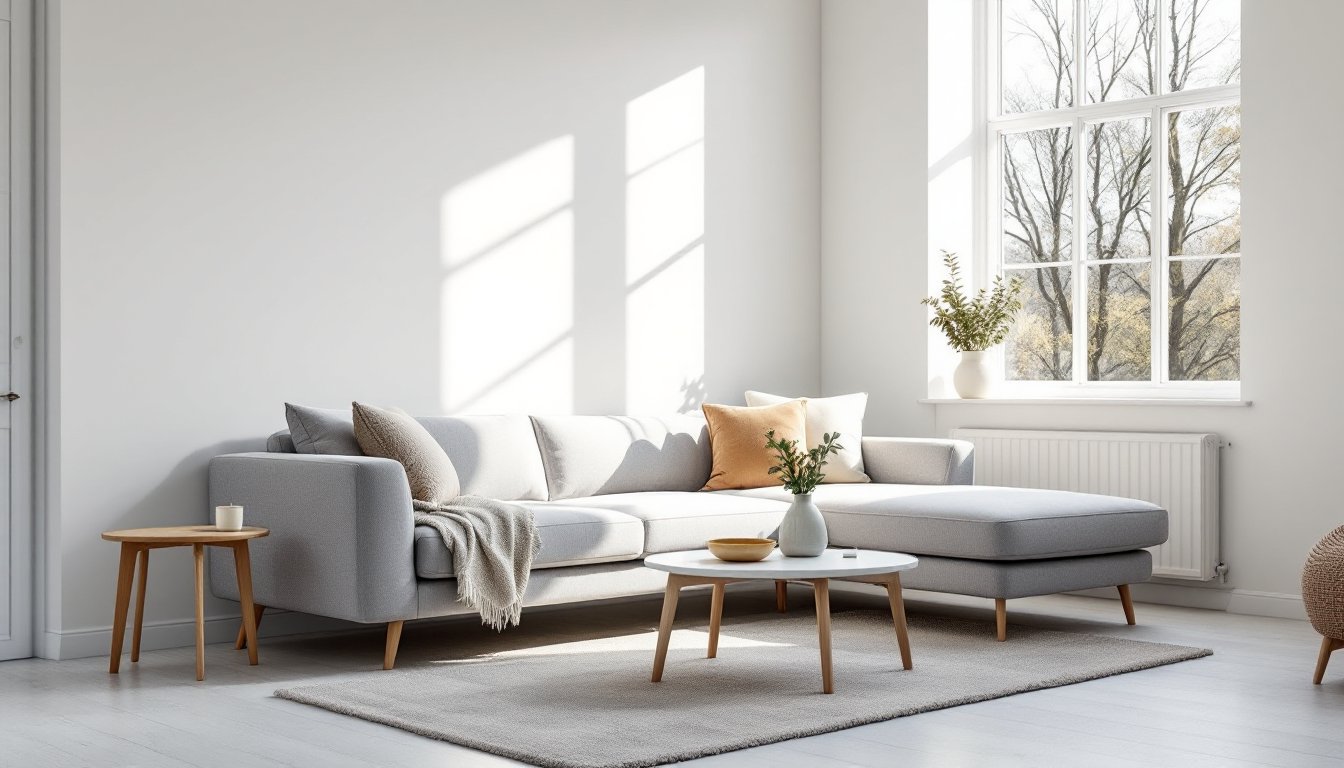
Sectionals are secret weapons for small spaces when chosen strategically. A well-sized sectional wraps around a corner, using otherwise wasted space and creating an L-shape that’s more efficient than a standalone sofa plus chairs. For a 10-by-12-foot living room, a compact sectional with a chaise can give more actual seating without eating the whole room.
The trick is proportions. A sectional with a 36-to-42-inch seat depth (not standard 40 inches) and a shorter overall length works better in tight spots than a sprawling 9-footer designed for open-concept living. Look for options with tapered legs rather than full bases, they reduce visual weight and make the piece feel less anchored to the floor.
Modular sectionals offer another advantage: flexibility. Tiny Home Living Rooms benefit from sectionals that can be reconfigured if you rearrange or move. Some systems let you remove the chaise, swap arm styles, or even add and remove sections over time. This is especially useful for renters or anyone who plans to move in the next few years.
One caveat: sectionals require more floor space committed to their footprint, so they work best in rooms where the layout naturally supports an L-shaped arrangement. If your living room is long and narrow, a sectional might actually create circulation problems rather than solve them. Measure carefully and sketch the placement before ordering.
Loveseat And Apartment-Sized Sofas
Loveseats and apartment-scale sofas (60 to 75 inches wide) are workhorses for compact living. A loveseat fits most apartment doorways without dismantling, takes up a single wall, and still provides honest seating for two people or one person sprawled out. The footprint is straightforward, making layout planning simple.
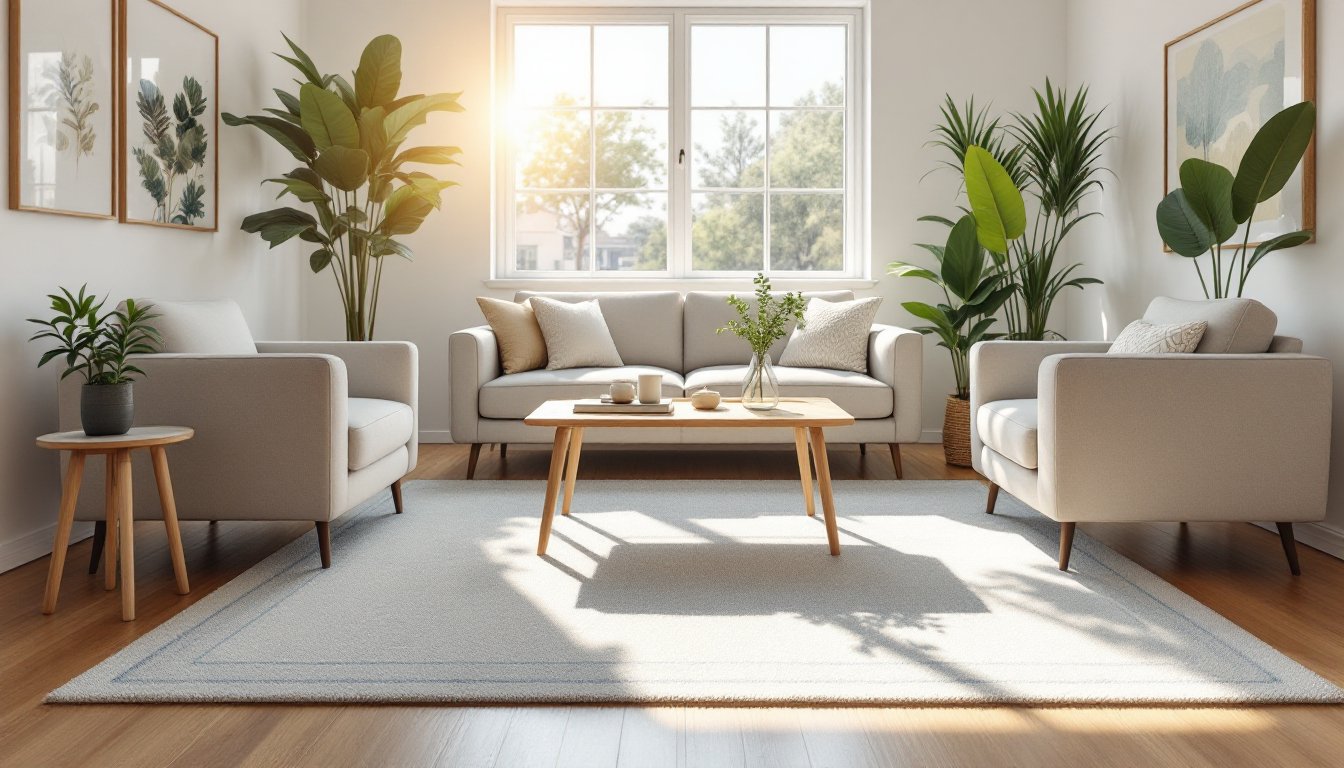
For added flexibility, pairing a loveseat with a single accent chair or ottoman creates mixed seating without the commitment of a full sectional. This combo works especially well in oddly-shaped rooms where a sectional wouldn’t fit naturally. The loveseat anchors one wall, and the chair can float or nestle into a corner, leaving the rest of the room open.
Single Wide Mobile Home Living Rooms often rely on loveseats because larger sectionals would block doorways or hallway access. The narrow proportions are honest about what the space can handle. Quality apartment-scale sofas should still have good suspension (eight-way hand-tied springs or high-density foam) rather than flimsy cushioning just because they’re smaller.
Look for sofas with removable, washable cushion covers, especially if you’re renting or plan to move frequently. Apartment living is hard on furniture, spills, pet accidents, and general wear happen fast. Covers that pop off and go in the wash add years to a sofa’s life and save replacing the whole piece.
Sleeper Sofas And Multi-Functional Designs
Sleeper sofas pull double duty in small homes, giving you seating by day and a guest bed by night. Modern sleeper mechanisms have improved dramatically, pull-out platforms and memory foam mattresses beat the old metal-frame nightmares that left people bruised.
But here’s the reality: a sleeper sofa is a compromise, not a perfect solution. The mattress is rarely comfortable for long-term nightly use, and deploying a sleeper takes up floor space (you need clearance to pull and extend it). If guests will be sleeping in your living room frequently, a sleeper works. If it’s occasional, a quality roll-out mattress or inflatable air bed paired with a regular sofa might actually serve you better.
Other multi-functional designs include sofas with built-in storage (drawers under the seat or hollow arms), chaise lounges with lift-top ottomans, and designs where the back cushions unfold to add sleeping surface. Decorating Ideas for Mobile Home Living Rooms often feature these hybrid pieces because they maximize every inch.
If you’re considering a sleeper, measure the mattress dimensions carefully, a full-size sleeper sofa is standard, but some compact models come with twin or futon-style mattresses. Check the mattress thickness too: anything under 5 inches will feel thin after a night or two. Also, confirm the pull-out mechanism suits your body strength: some require real elbow grease or a second person to deploy safely.
Smart Style And Color Choices For Tiny Rooms
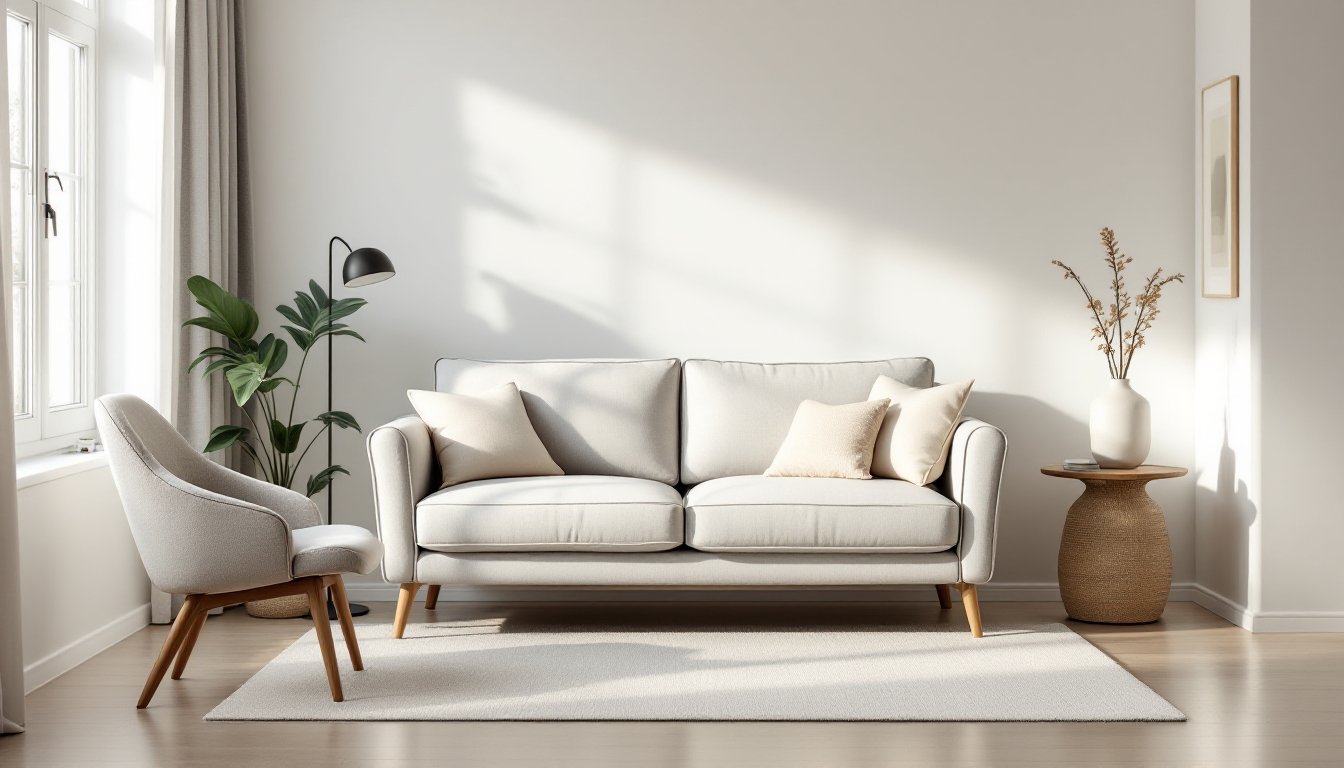
Color and finish affect how spacious a room feels as much as the sofa’s actual size. Light, neutral tones, creams, grays, taupes, visually recede and make rooms feel airier. Dark colors, while sophisticated, absorb light and can make compact spaces feel smaller. A light gray or warm white sofa bounces light and feels less heavy than charcoal or navy.
Pattern is trickier in small spaces. A busily patterned sofa can dominate the room and overwhelm sightlines. If pattern appeals to you, consider textural variation (like a linen weave or subtle herringbone) rather than large-scale prints. Solid colors give the sofa breathing room and let other décor elements shine.
Leg style matters, too. Exposed legs, especially tapered or angled ones, make a sofa feel lifted and less anchored. A sofa skirted to the floor or with a full base looks heavier and closes off the space beneath it, making the room feel smaller. In compact living, those few inches of visibility under the sofa create a visual sense of lightness.
Model Home Living Rooms often showcase how neutral sofas serve as a backdrop, allowing accessories, pillows, throws, wall art, to add personality without cluttering the visual space. This approach scales seating without adding visual noise. Pair a simple sofa with carefully chosen accents for maximum impact with minimum spatial demand.
Fabric choice involves durability, too. Linen and linen blends are light and breathable but show wear quickly. Microfiber hides stains better but can feel less refined. High-performance fabrics designed for durability offer a middle ground, they resist spills and fading while feeling natural. For renters or households with pets or young children, performance fabrics justify the extra cost.
Conclusion
Picking a sofa for a small living room requires balancing size, function, style, and practical details like fabric and leg style. Sectionals maximize corner space efficiently, loveseats offer straightforward, movable seating, and sleeper sofas add flexibility for guests. Color, finish, and proportions determine whether the sofa makes a compact room feel cramped or comfortable.
Start by measuring doorways, hallways, and your actual room layout. Sketch potential placements before ordering. Choose neutral, light tones and exposed legs to keep the space feeling open. Test sofas in person if possible, sitting on it matters more than a photo or review. With these priorities clear, finding the right sofa for small-space living becomes a smart, confident choice rather than a guessing game.