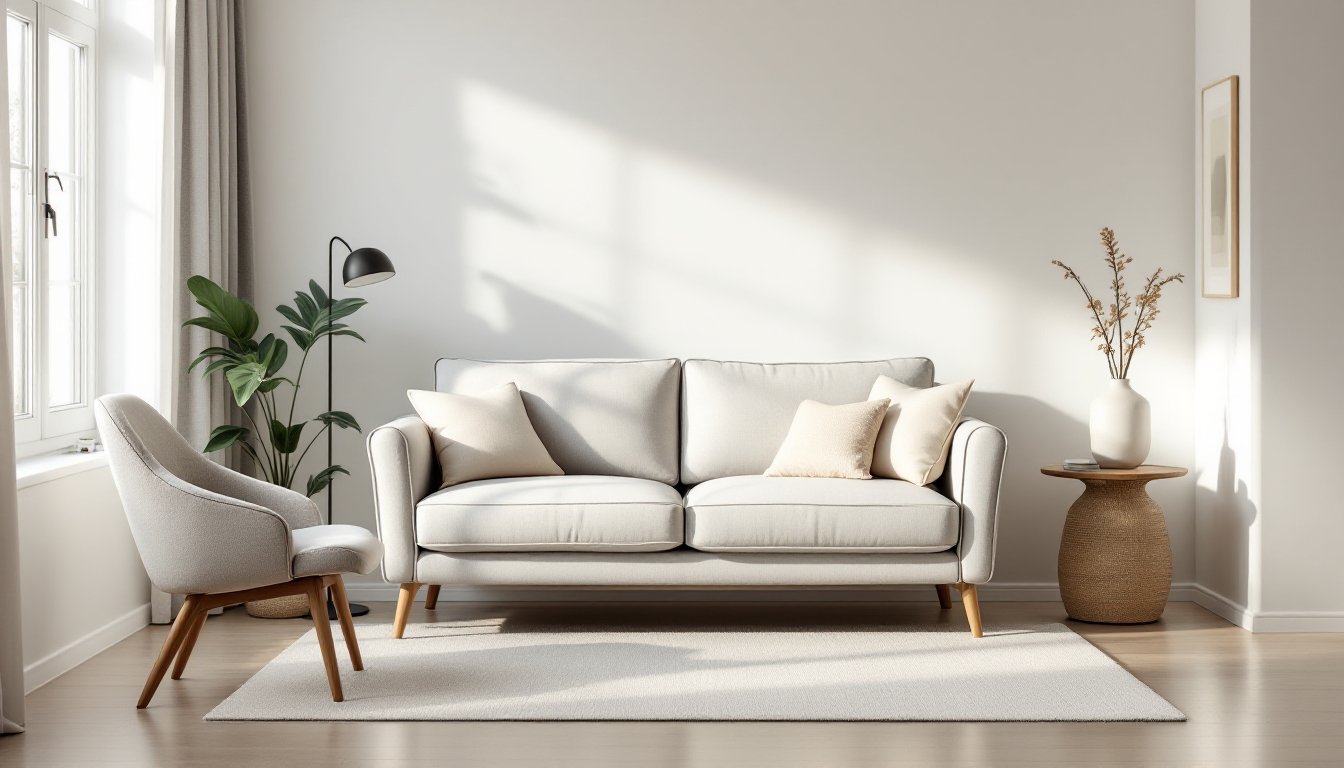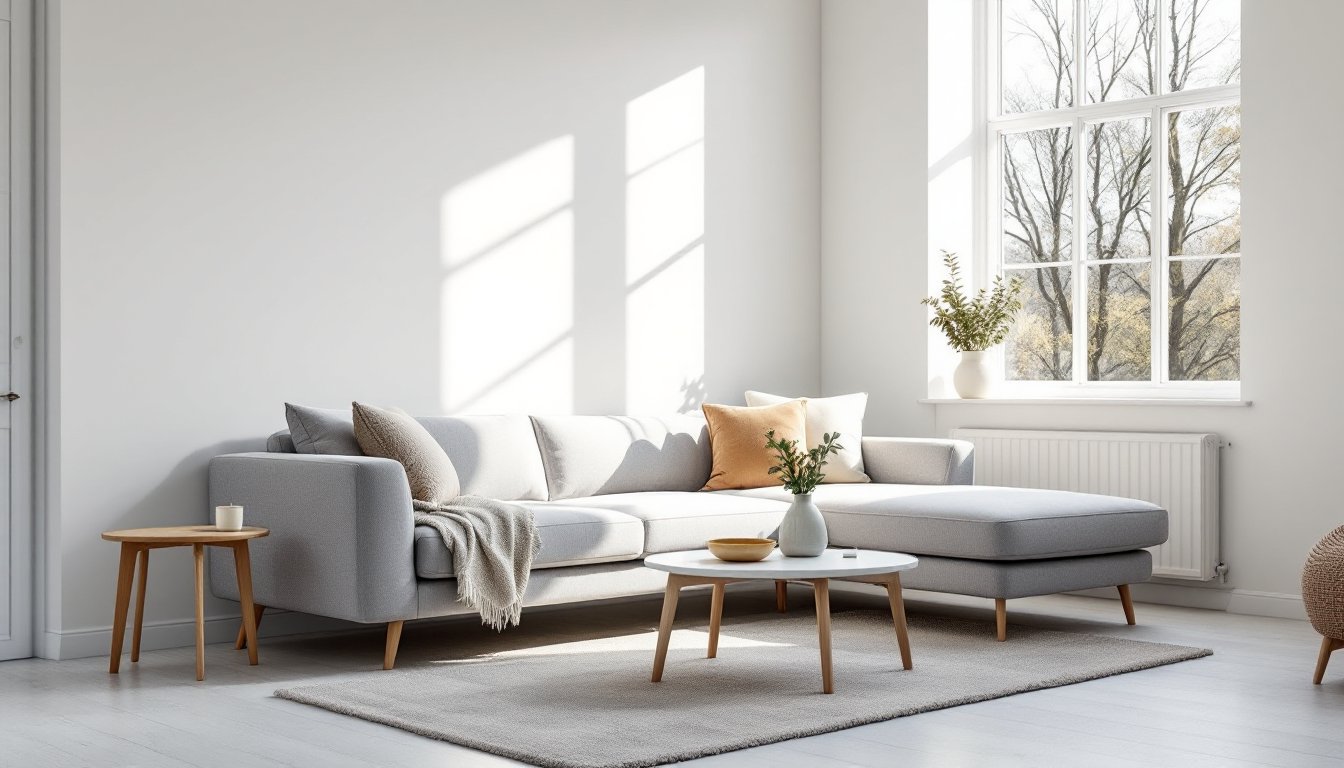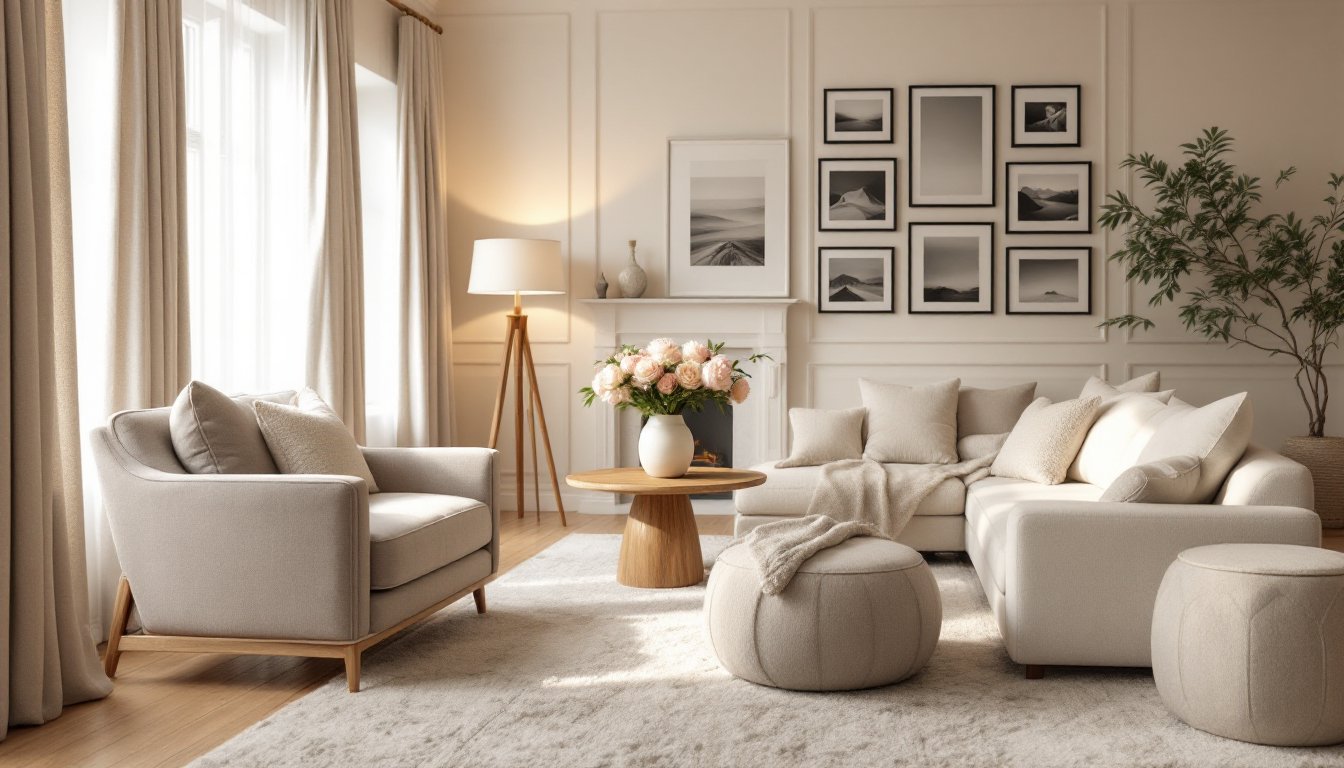
Cream tones have emerged as the go-to choice for homeowners seeking to build a living room that feels both sophisticated and deeply welcoming. Unlike stark white or cold grays, cream wraps a space in softness, it reflects light without glare and pairs effortlessly with nearly every material and accent color. Whether you’re starting from scratch or refreshing an existing room, cream provides the perfect neutral canvas to layer warmth through texture, furniture, and thoughtful lighting. This guide walks you through practical strategies to transform your living room into a genuinely inviting retreat where family and friends naturally gravitate toward conversation and comfort.
Table of Contents
ToggleKey Takeaways
- Cream living room ideas thrive when you choose cream tones that sit between white and beige, offering a versatile neutral canvas that feels warm and inviting without demanding visual attention.
- Prioritize quality furniture with depth and soft cushioning, such as sofas with 20–24 inch deep seats and down-wrapped pillows, then arrange pieces in conversational groupings rather than against walls.
- Layer diverse textures—wool rugs, linen upholstery, chunky knit throws, and varied pillow materials—to prevent a cream space from feeling flat and to create visual interest without relying on bold colors.
- Implement warm, layered lighting at multiple heights using 2700K bulbs, dimmers, and fixtures in brass or warm wood rather than harsh overhead lights, which is essential for achieving genuine coziness.
- Accessorize with restraint by featuring a few statement pieces, greenery, and meaningful items rather than cluttering surfaces, allowing your cream backdrop to showcase your furniture and décor intentionally.
- Select area rugs in warm neutrals or subtle patterns sized 8×10 or 9×12 feet that extend beyond furniture legs, grounding your seating arrangement and adding substance through natural materials like wool or jute.
Why Cream Tones Create the Perfect Foundation for a Cosy Living Room
Cream sits in that sweet spot between pure white and warm beige, it absorbs and diffuses light in ways that feel human-scaled rather than clinical. The color carries subtle warmth without demanding attention, which means it recedes into the background and lets your furnishings, art, and people become the focal point.
From a practical standpoint, cream is forgiving. Minor dust, pet paw prints, and the occasional scuff blend into the palette rather than screaming for a repaint. That said, not all creams are created equal, some lean toward yellow undertones (warmer), while others have gray or beige undertones (more neutral). Test samples on your walls under both natural and artificial light before committing.
Designers have long recognized cream’s versatility. According to trends in contemporary interior design, spaces featuring neutral color schemes like beige and cream create psychological comfort while remaining timeless. Cream also allows you to shift your décor seasonally, add warm rust or terracotta accents in autumn, then lighten the palette with pastels in spring, without repainting.
Essential Furniture Pieces for a Cream-Colored Living Room
Your furniture selection sets the tone for how cosy your cream living room actually feels. The key is choosing pieces that invite you to sink in rather than sit rigidly. Start with a quality sofa, this is not the place to skimp, as it’s the room’s anchor and likely where you’ll spend hours.
Consider tone when selecting upholstery. A cream sofa can feel monotonous if paired with cream walls: instead, look for warm ivory, sand, or oatmeal tones that create subtle visual variation. A medium gray or warm taupe sofa against cream walls offers more definition without jarring contrast. Wood frames in walnut, oak, or warm honey tones ground the space and add richness.
Secondary seating matters just as much. A pair of oversized armchairs or a sectional in complementary neutral tones gives you flexibility for movement and conversation. Mix in one accent chair in a soft green, muted blue, or warm terracotta if you want personality without disruption. Coffee tables and side tables in natural wood (not ultra-light or ultra-dark) maintain warmth. Glass or marble tops add subtle elegance without visual weight.
Sofas and Seating Options That Maximize Comfort
When choosing a Home Town Living Room style sofa, prioritize depth, aim for seat cushions between 20 and 24 inches deep so you’re not perched on the edge. Cushion firmness is personal, but for genuine coziness, softer down-wrapped cushions feel more enveloping than dense foam. Look for removable, washable slipcovers if you have kids or pets: they extend the life of your investment and reduce anxiety around spills.
For seating arrangements, avoid the awkward “furniture-around-the-wall” setup. Pull pieces forward to create conversational groupings that feel intimate. A low-slung sofa paired with chairs at a slight angle encourages connection. If your living room doubles as a workspace, consider a modular sectional that can anchor one zone while defining the layout naturally.
Layering Textures to Add Depth and Warmth
This is where cream living rooms really shine, texture is what prevents the space from feeling flat or sterile. Without pattern or bold color, your eye should travel over varied surfaces: soft, hard, shiny, matte, smooth, and nubby.
Start by thinking about every surface in the room. Your walls are one texture (smooth paint), but what about your upholstery? A linen or linen-blend sofa feels different than velvet. A wool area rug has weight and movement that a flat synthetic rug can’t match. Curtains in a natural fiber like linen or cotton diffuse light warmly: polyester blends can feel cheap and plasticky by comparison.
The goal isn’t to make things complicated, it’s to create visual and tactile interest that makes the room feel inhabited and alive. Cream as your base tone means textures read clearly without color competing for attention. A chunky knit throw across the arm of a sofa becomes a design feature rather than just a functional blanket.
Rugs, Throws, and Soft Furnishings
Your area rug is crucial. In a cream living room, the rug should ground the seating area and ideally extend at least 12 to 18 inches beyond all furniture legs so the arrangement feels intentional rather than floating. Size matters: a rug that’s too small (4×6 in a generous room) leaves the seating arrangement looking disconnected. Aim for 8×10 or 9×12 in most living rooms.
For color and material, a natural wool rug in warm cream, soft gray, or taupe adds substance without disruption. If you want pattern, a subtle geometric or tonal stripe provides visual interest without overwhelming the space. Jute or sisal adds organic warmth, these natural materials feel genuine and age beautifully. Avoid anything too trendy: you’re investing in comfort, and a neutral rug should last 10+ years.
Throws and pillows are your texture workhorses. Layer throw pillows in linen, wool, faux fur, cotton, and velvet across your sofa and chairs. Keep colors in your cream family (ivory, sand, light gray, warm taupe) or add one or two accent pillows in a muted earth tone. Chunky cable-knit throws draped over armchair backs and sofas add instant warmth and encourage curling up. Aim for an odd number of pillows (three, five, seven) rather than pairs, it feels less staged and more lived-in.
Lighting Strategies for a Warm, Inviting Atmosphere
Lighting makes or breaks cosy. A cream living room with harsh overhead fluorescent light feels institutional: the same room under warm, layered lighting feels like a sanctuary.
Start by eliminating overhead ceiling lights as your primary source, or at least softening them. A dimmer switch on a ceiling fixture gives you control over intensity throughout the day and evening. Aim for bulbs rated 2700K (warm white) rather than 4000K or higher, which reads as cold and clinical.
Next, create layering with multiple light sources at different heights. Table lamps on side tables beside seating, floor lamps in corners, and wall sconces flanking a fireplace or accent wall all contribute to an enveloping light environment. The beauty of cream walls is that they reflect warm light, so a modest lamp won’t leave corners dark, you’ll get more mileage from fewer fixtures.
Consider the style of fixtures, too. A brass or warm brass arc floor lamp feels more upscale than chrome: warm wood or ceramic bases add natural warmth. Linen or cotton lampshades diffuse light softly and look more refined than plastic or synthetic shades. If you have a fireplace, use it, even electric or gas fireplaces create flickering warmth that’s inherently cosy.
One practical note: if you work or use screens in your living room, position task lighting to avoid screen glare while still maintaining ambient warmth. A desk lamp with a warm bulb focused on your work surface, separate from overhead lights, keeps the room feeling intentional rather than like an office.
Accessorizing Your Cream Living Room Without Overwhelming the Space
Restraint is the secret to sophistication in a cream living room. The temptation is to fill every surface and wall with décor, but less truly is more when your backdrop is neutral.
Start with a few statement pieces: a large piece of abstract art, a gallery wall of black-and-white photography, or a sculptural object on a side table. One or two meaningful items, perhaps a treasured book collection displayed on open shelves or a vintage basket in the corner, say more than a dozen knick-knacks scattered about.
Green plants and fresh flowers are almost always the right choice. Potted greenery adds life without clutter: it also softens the geometry of furniture. A fiddle leaf fig or pothos in a corner, or smaller plants like succulents on a side table, feel organic and warm. Real flowers in a simple vase, white, cream, or soft pastels, change seasonally and keep the room feeling fresh.
Wall décor should reflect your personality without demanding dominance. A large statement mirror opposite a window bounces light and creates depth. Framed art in wood or metal frames (not plastic) adds character. If you want interior design inspiration for decorating, consider pulling color accents from a piece of art you love, a watercolor with muted blues and corals can guide your throw pillow palette without forcing the room into a themed look.
Curb the urge to fill shelving or side tables. A decorative object, a lamp, a small plant, and an open space for visual breathing room is far more elegant than a crowded surface. Styling is about restraint paired with intentionality, every item should earn its place.