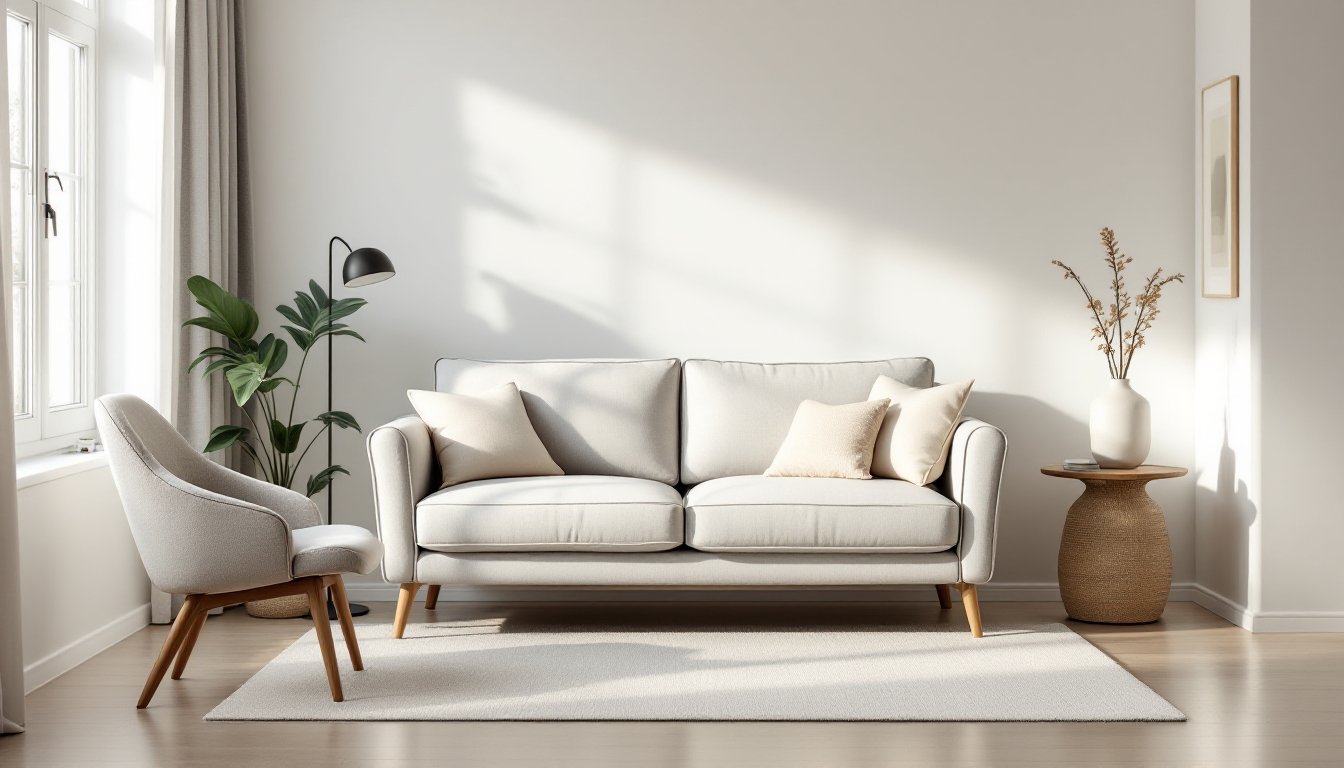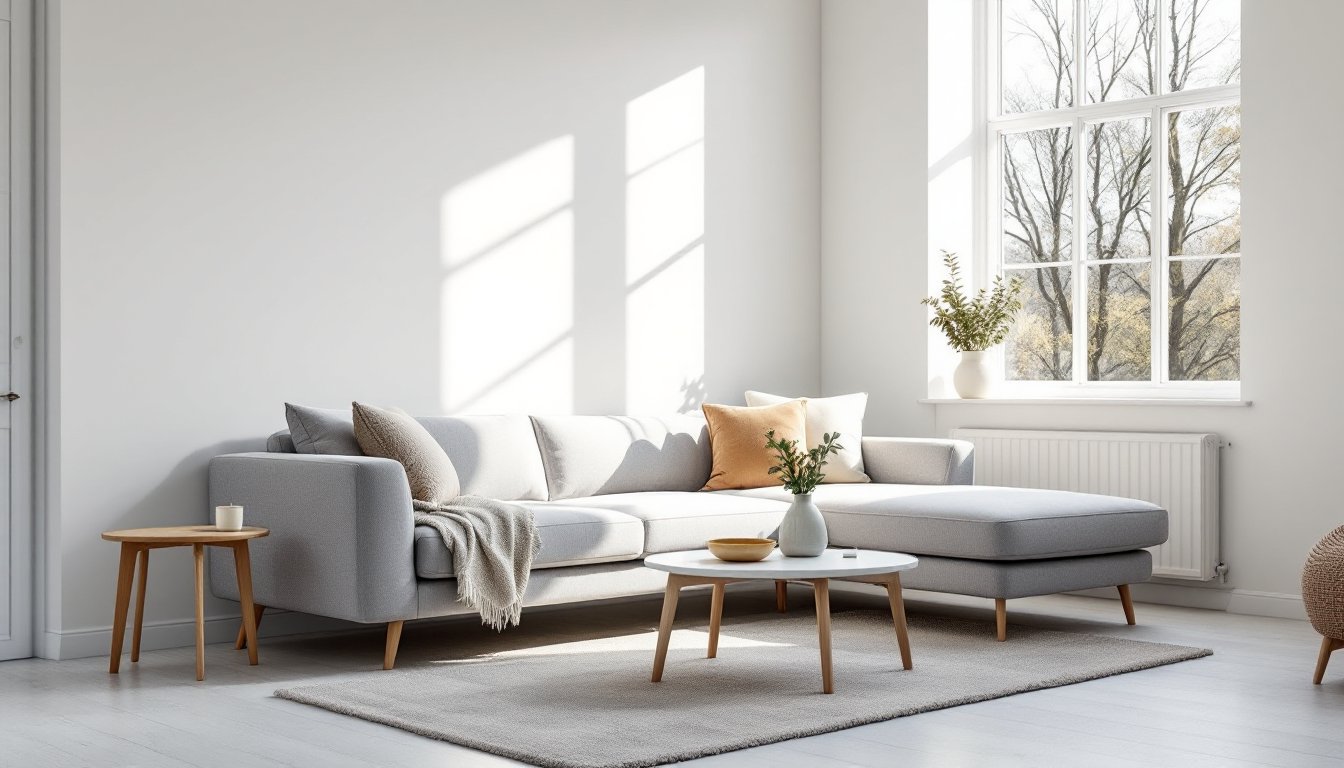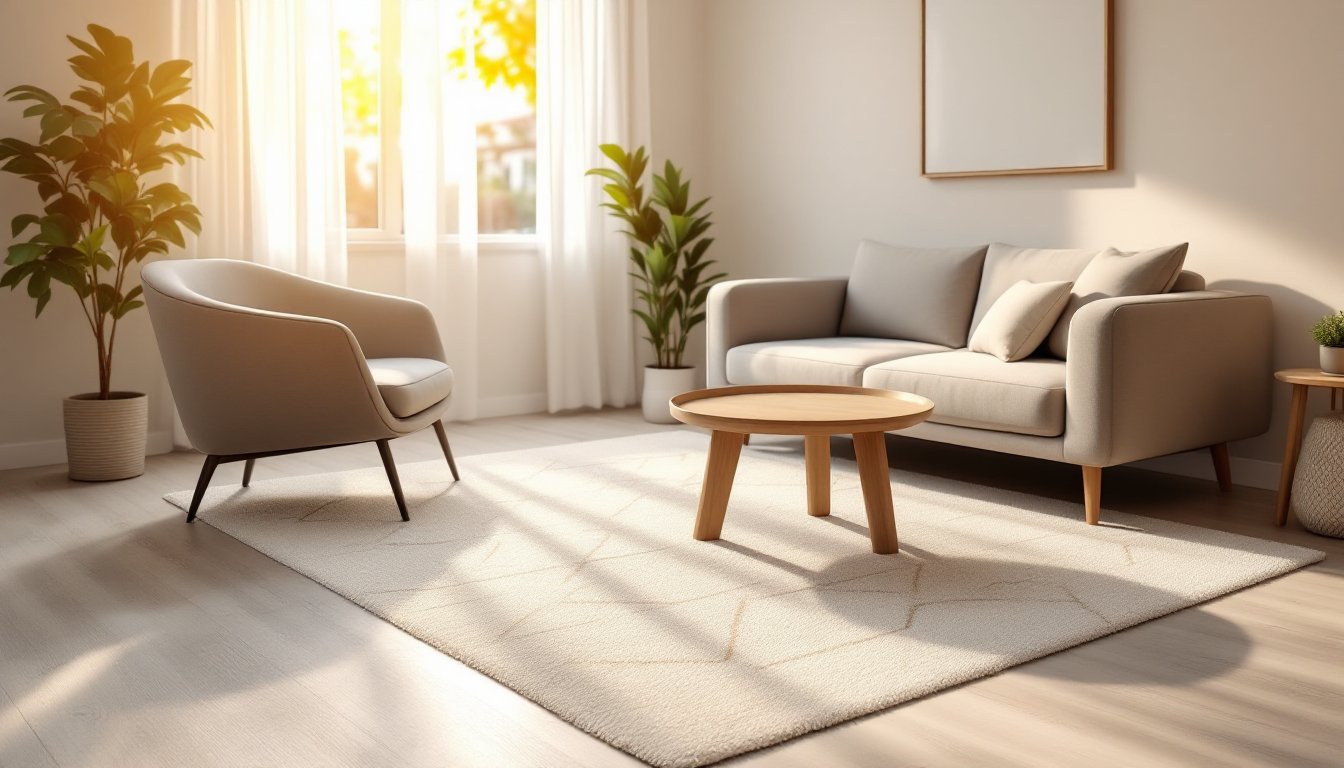
A small living room rug isn’t just window dressing, it’s one of the most practical investments you can make for a compact space. The right rug anchors your furniture, defines zones, and instantly makes a cramped room feel intentional and pulled-together. Unlike a fresh coat of paint or new throw pillows, a small living room rug does real work: it absorbs sound, protects flooring, adds warmth underfoot, and visually expands the space when chosen with intention. This guide walks you through everything from measurement to maintenance, so you can pick a rug that fits your room, your lifestyle, and your budget.
Table of Contents
ToggleKey Takeaways
- A small living room rug anchors furniture, defines zones, absorbs sound, and protects flooring while making tight spaces feel intentional and organized.
- For rooms between 150–250 square feet, choose a 5×7-foot rug as the standard size—large enough to ground the seating area without overwhelming the space.
- Polypropylene suits households with kids and pets due to its stain resistance and affordability, while wool offers premium durability and comfort for high-end budgets.
- Light, neutral colors visually expand small spaces by reflecting light, while patterns should be bold and larger-scale rather than busy to avoid visual clutter.
- Rotate your small living room rug quarterly and vacuum twice weekly with pets to distribute wear evenly and extend its lifespan by years.
- Layer a smaller patterned rug over a neutral base rug to add depth, define zones, and protect your primary rug from high-traffic spills and wear.
Why A Small Living Room Rug Matters More Than You Think
A rug is one of the few home improvement decisions that affects comfort, acoustics, and aesthetics all at once. Small living rooms especially benefit because rugs create visual boundaries that make a tight space feel organized instead of cramped.
When furniture floats on hard flooring, a room feels disjointed and echoey, especially in apartments or open-concept homes. A rug underneath your seating area anchors the furniture grouping and signals to your eye where the “living” happens. This psychological grounding makes even a tiny room feel intentional.
Acoustically, rugs muffle sound. Small rooms bounce noise around hard walls and floors, but a quality rug absorbs mid to high frequencies, making the space feel quieter and more intimate. If you live in a multi-story home or share walls with neighbors, this matters. Practically speaking, a rug protects your flooring from furniture legs and foot traffic, something hardwood owners should never ignore. Over time, a sofa without a rug underneath can leave permanent impressions in wood floors. A good quality small living room rug is preventative maintenance disguised as decor.
How To Choose The Right Rug Size For Your Space
Size is where most small living room rug decisions fall apart. Too small, and your rug looks like an accent. Too large, and it overwhelms the room or doesn’t fit the space physically. The rule of thumb is straightforward: your rug should anchor the seating area, meaning at least the front legs of your sofa and chairs should sit on the rug.
For a truly small living room (think 150–250 square feet), aim for a rug between 5×7 feet and 6×9 feet. These sizes work with standard apartment layouts and don’t require furniture juggling. A 5×7-foot rug is the workhorse of small spaces, it’s large enough to define the seating zone without overwhelming the room. If you have a modest sectional, a 6×9-foot rug might be necessary, but measure first.
Be honest about layout constraints. If your room has a narrow walkway or traffic pattern, an oversized rug becomes a tripping hazard. Sketch your room layout on paper, mark furniture positions, and measure diagonals. This takes five minutes and prevents costly returns.
Round rugs work beautifully in small spaces too, especially paired with a round coffee table. An 8-foot diameter round rug feels generous but doesn’t dominate a compact room the way a rectangular rug might.
Measuring Your Living Room for Proper Proportions
Before you order, grab a measuring tape and follow this process. Measure the length and width of your room in feet, then note where major traffic patterns flow, doorways, passages to other rooms, and pathways to windows.
Next, mark your furniture positions. A sofa typically needs at least 3 feet of clearance in front for movement. Your coffee table sits on the rug. Accent chairs or an ottoman should have their front legs on the rug. This creates visual continuity.
Lay down a cheap painter’s tape in the shape and size of rugs you’re considering. Walk around. Does it feel right? Does it block traffic flow? Does it make the seating area feel intentional? Tape costs nothing and saves regret. Alternatively, pull up your room layout in a tiny home living rooms style guide to see how others solved similar constraints.
Rug Materials and Durability for Everyday Living
Material determines how your rug holds up to real life. In a small living room, your rug gets heavy traffic and sees spills, pet claws, and shoe traffic daily. Choose accordingly.
Polypropylene (synthetic) is the practical choice for small living spaces with kids or pets. It’s stain-resistant, affordable, and durable, usually lasting 5–7 years with regular vacuuming. It doesn’t feel as luxe underfoot as wool, but it absorbs liquid spills rather than wicking them deeper into the fibers, which buys time for cleanup.
Wool is the premium option if budget allows. Wool naturally resists staining, is softer, and lasts 10–15 years with care. It’s also fire-resistant and naturally regulates temperature. The downside: wool costs 2–3 times more than synthetic, and spills must be blotted immediately to prevent permanent stains. If you don’t have pets or young children, wool is worth the investment.
Wool-polypropylene blends split the difference: better than pure synthetic, less expensive than pure wool, with moderate stain resistance and durability. These are solid middle-ground choices for busy households.
Avoid natural materials like jute or sisal for high-traffic areas, they stain easily and degrade quickly. Save those for low-foot-traffic guest rooms. For hardwood floors, pair your rug with a non-slip rug pad (about 1/4 inch thick) to prevent sliding and protect the floor. This costs $20–50 and is non-negotiable if you have polished hardwood underneath.
Color and Pattern Ideas That Make Small Spaces Feel Larger
Color psychology is real, and in small rooms, it matters. Light, neutral colors, cream, soft gray, warm taupe, visually expand a space by reflecting light and creating less visual weight. If your living room walls are already bold (rich jewel tones, warm sage, moody charcoal), a lighter rug keeps the room from feeling claustrophobic.
Dark rugs can work, but they ground the space visually and make it feel smaller. Use dark rugs only if your room gets abundant natural light or if you’re intentionally creating a cozy, intimate vibe.
Pattern breaks visual monotony. A geometric print, subtle stripe, or abstract pattern adds interest without overwhelming a small room. Check design inspiration at resources like Homedit interior design guides to see how patterns scale in compact spaces. The trick is scale: busy, tiny patterns read as visual noise: bolder, larger patterns feel intentional.
A light rug with a subtle pattern is the safest bet for small spaces. It anchors the room, adds personality, and doesn’t fight for attention against other decor. If you have living room wall art or bold furniture, choose a neutral rug. If your furniture is mostly neutral, a patterned rug becomes the star.
If you’re renting or indecisive, stick with neutral. Reselling or repurposing a neutral rug is far easier than finding a new home for a statement print.
Placement and Layering Strategies for Maximum Impact
Where you place your rug defines your room’s functionality. The standard approach: center the rug under the seating area, with the sofa’s front legs and coffee table sitting on it. This creates a visual anchor and tells visitors, “This is the gathering space.”
In a galley-style or narrow living room, a rug running parallel to the longest wall emphasizes length and tricks the eye into perceiving more space. In a square room, center the rug for balance.
Layering rugs is a professional trick that works in small spaces. Place a larger neutral rug as your base (say, a 5×7-foot cream or gray), then layer a smaller patterned or textured rug on top (a 3×5-foot runner or patterned accent rug). This adds depth, defines zones, and is actually practical, the top rug absorbs spills and traffic, protecting the base rug. Use non-slip pads between layers to prevent slipping.
Another option: run a narrow 2.5×8-foot runner rug perpendicular to your main rug in a high-traffic hallway or passage. This guides foot traffic and extends the visual interest of the floor. It also protects hardwood in the exact spots that wear first.
For apartments or rentals where large furniture moves are off-limits, consider starting with a decorating ideas for mobile home living rooms approach, work with what fits your exact footprint rather than trying to force a standard layout. Rug placement should enhance your actual living pattern, not fight it.
Maintenance and Care Tips to Keep Your Rug Looking New
A small living room rug earns its cost through longevity. Regular maintenance adds years to its life and keeps it looking fresh.
Vacuum twice weekly if you have pets or kids, once weekly otherwise. Use a vacuum with suction control, high suction can snag fibers on delicate natural materials. For polypropylene, standard upright vacuums work fine.
Blot spills immediately with a clean, dry cloth. Don’t rub, rubbing pushes liquid deeper into fibers. For liquid spills, blot first, then spray lightly with a 1:1 mixture of white vinegar and water, and blot again. For solid spills, let them dry completely, then vacuum. Most household stains disappear with this approach.
Rotate your rug quarterly. Small living rooms mean your rug sees consistent traffic in one direction. Rotating it 180 degrees every three months distributes wear evenly and prevents premature fading in one section.
Professional cleaning every 12–18 months extends rug life, especially for wool or high-traffic areas. A full professional cleaning costs $100–300 depending on rug size and material, but it removes deep-set dust, allergens, and embedded soil that vacuuming misses. If you have pets or allergies, this is worth the investment, a clean rug is actually a health upgrade.
Avoid direct sunlight for extended periods. If your living room has south- or west-facing windows, close curtains during peak sun hours, or position the rug in a shaded zone. UV rays fade even colorfast dyes over time.
For daily dirt and tracked-in mud, place a low-pile rug outside your entry door or a runner in the hallway. This catches the worst offenders before they reach your living room rug. Real-world small living room management means layering protection strategically.