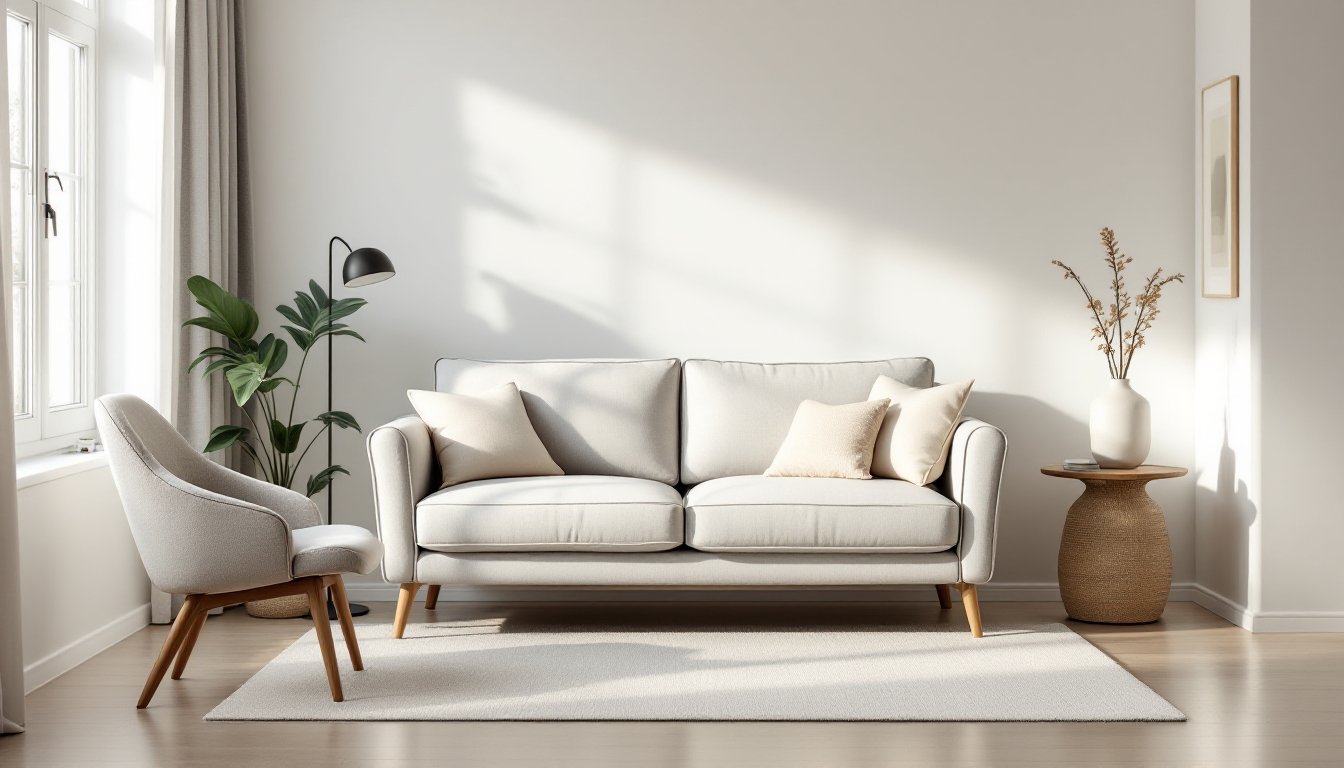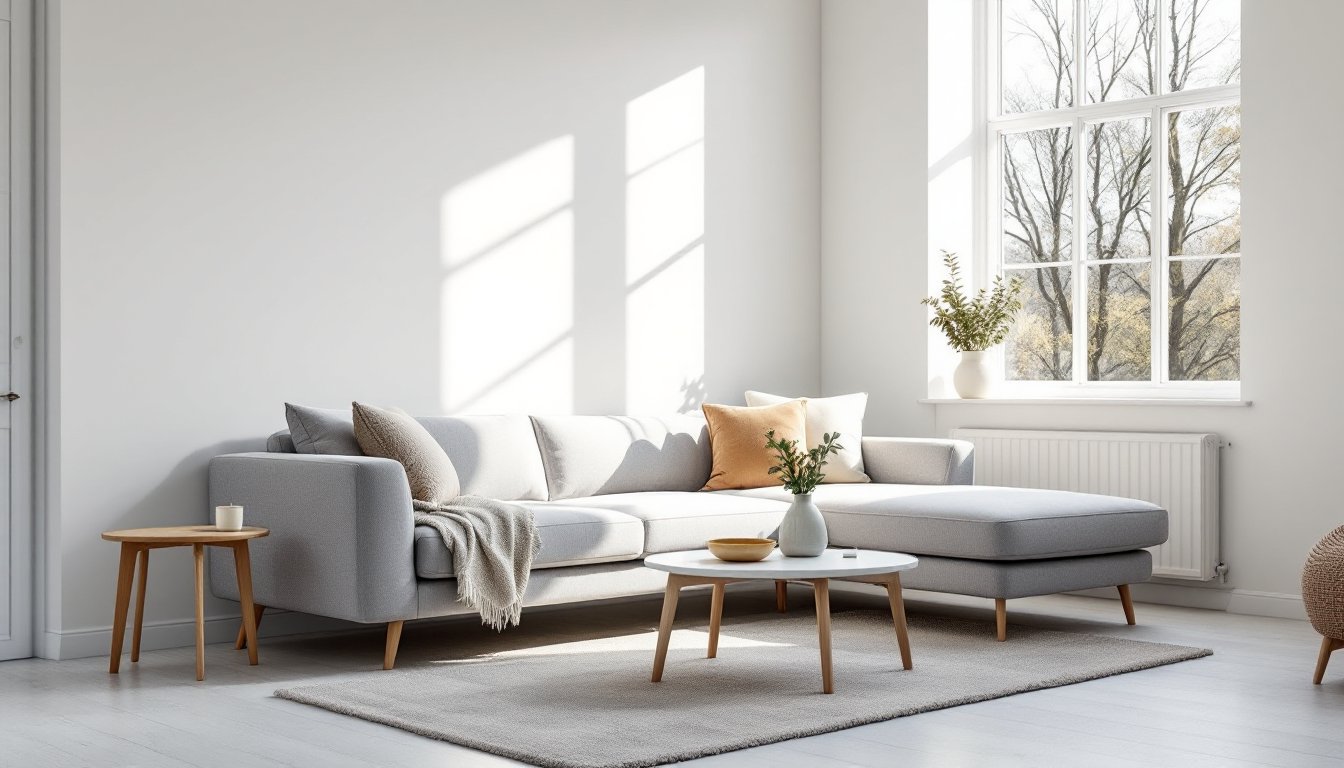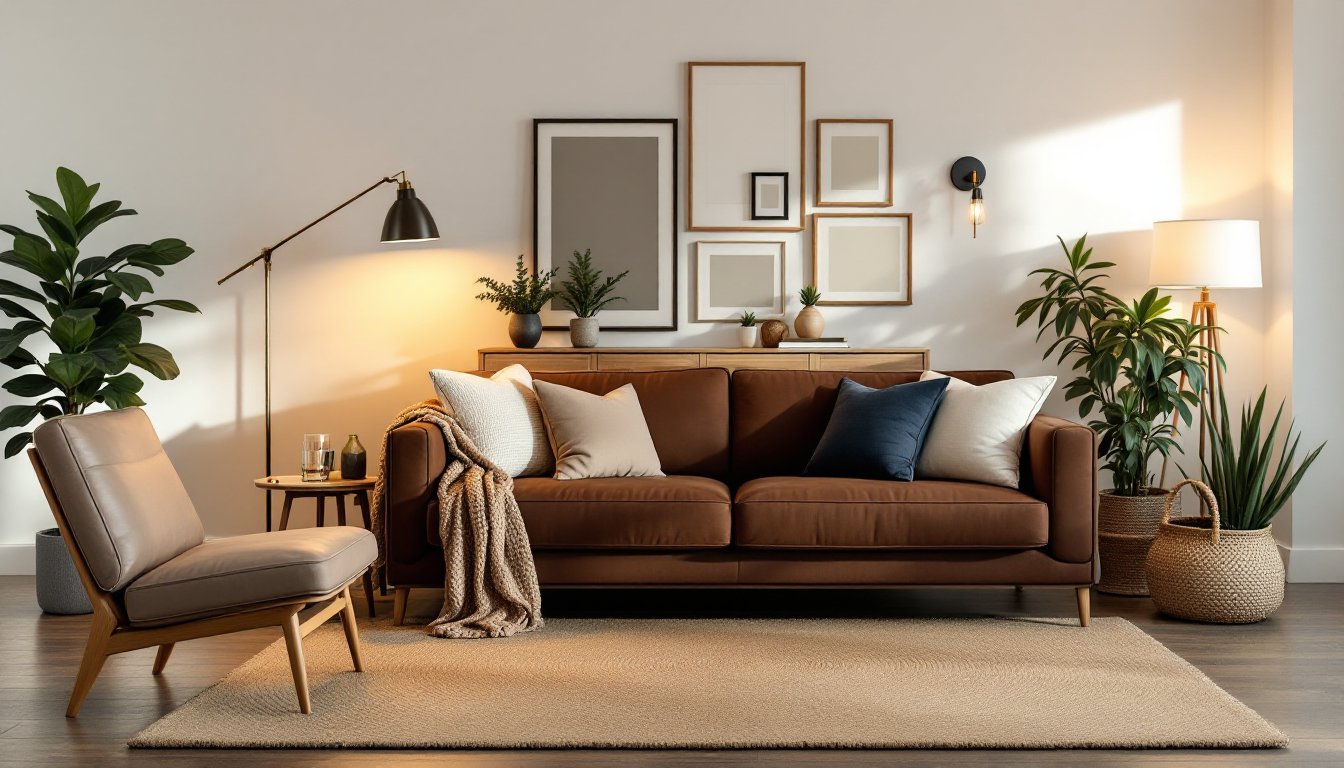
A brown couch is the anchor of any living room, solid, versatile, and harder to replace than most other furniture pieces. But that neutral foundation can feel flat if you don’t know how to style around it. Whether your brown sofa leans warm taupe, rich chocolate, or warm tan, the right color palette, lighting, and accessories transform it from a basic seating piece into a showstopper. This guide walks you through proven strategies for decorating a brown couch living room that feels cohesive, inviting, and distinctly yours.
Table of Contents
ToggleKey Takeaways
- Pair your brown couch with neutral walls in warm whites, soft grays, or greige to create a cohesive backdrop that lets the sofa shine while allowing freedom to layer textures and accent colors.
- Use warm white bulbs (2700K) and layered lighting with ambient, task, and accent light sources to flatter brown tones and prevent a dull, flat appearance in your brown couch living room.
- Mix textures throughout the space—leather, chunky knits, jute rugs, and wood accents—to add tactile interest and prevent a one-dimensional feel around your brown sofa.
- Position the brown couch as your visual focal point by floating it (not pushing into a corner) and balancing it with a complementary accent chair or seating piece for intentional design.
- Layer throw pillows in odd numbers using patterns, solids, and textures, then add a single bold jewel tone accent (navy, forest green, or burnt orange) to inject personality without overwhelming the space.
- Choose a rug that’s at least 5×7 feet with at least the sofa’s front legs resting on it—natural fiber rugs in lighter shades complement brown sofas while keeping the room airy and warm.
Color Pairing Strategies For Brown Couches
Neutral Walls And Soft Accents
The safest starting point for a brown couch is pairing it with neutral walls. Think warm whites, soft grays, or creamy beiges that let the sofa shine without visual competition. Avoid cool grays that clash with warm brown tones: instead, reach for greige (a gray-beige blend) or warm ivory. This backdrop gives you freedom to layer textures and accent colors without overwhelming the space.
Soft accents, pillows, throws, and artwork, introduce personality without disrupting calm. Cream, taupe, soft gold, and muted sage work beautifully alongside brown. These colors feel intentional rather than timid. A living room gallery wall with neutral-toned frames and art reinforces cohesion. Pair these accents with one deeper jewel tone (navy, forest green, or burnt orange) in a single throw pillow or small accent chair to prevent the room from feeling too predictable.
Warm And Bold Color Combinations
If you prefer more personality, bold warm colors actually complement brown beautifully. Burnt orange, rust, and terracotta echo the warmth of the sofa while adding visual depth. Pair these with navy or deep teal for contrast, the combination reads modern, not clashing.
Another approach: lean into earthy, bohemian tones. Ochre, sage green, and warm cream create a layered, naturally balanced palette. Add macramé, woven baskets, and plants to deepen the aesthetic. For those drawn to cooler accents, try mustard yellow or deep plum with the brown sofa: the contrast feels intentional and contemporary. Avoid pale pastels or cool pinks, which can make warm brown look dingy rather than grounded.
Lighting And Textures To Highlight Your Brown Sofa
Lighting can make or break a brown couch living room. Warm white bulbs (2700K color temperature) flatter brown tones and create an inviting atmosphere. Avoid cool white or daylight bulbs, which can cast brown in an unflattering, dull light.
Layered lighting is essential. Combine overhead ambient light with task lighting (floor lamps beside the sofa) and accent lighting (wall sconces or table lamps on a console). This three-tier approach ensures the brown couch is always well-lit and the room feels dynamic, not flat.
Texture is equally critical. Brown fabric already provides one texture, so add contrast: a smooth leather accent chair, a chunky knit throw, and a jute or natural fiber rug. Mix matte and shiny finishes, a velvet pillow next to a linen one, for instance. Wood accents (side tables, shelving) introduce warmth without competing with the sofa’s color. Layering these textures prevents the room from feeling one-dimensional and adds tactile interest that photos can’t capture.
Furniture Arrangement And Layout Ideas
The brown couch should be the visual focal point, so position it facing a window, fireplace, or TV, whichever feels most natural for your household. Avoid pushing it into a corner unless your room layout demands it: floating the sofa (pulling it slightly into the room) makes spaces feel larger and more intentional.
Balance the room with a complementary accent chair or second seating piece. A lighter neutral chair or a patterned piece opposite the brown sofa creates visual interest. Keep at least 18 inches of walkable space between the sofa and coffee table, this prevents the room from feeling cramped.
For smaller living rooms, an L-shaped sectional (if you’re considering replacing the sofa) or a small loveseat works better than multiple separate pieces. Model home living rooms often demonstrate this principle: fewer, larger pieces create a more spacious feel than lots of small furniture scattered around.
Accessory And Styling Solutions
Accessories are where personality blooms. Throw pillows are your fastest, cheapest way to test color combinations. Buy pillow covers (not full pillows) in patterns, solids, and textures, mixing them prevents a generic look. Aim for odd numbers (three or five pillows on a sofa) rather than pairs: it feels more curated.
Wall art ties the whole room together. Studies referenced on design inspiration sites show that intentional wall styling dramatically improves a room’s overall impact. Hang art 57 inches from the floor to its center, a standard decorator’s rule that works in most rooms. Group pieces in an asymmetrical gallery for movement, or hang a single large piece if space is tight.
Add functional accessories: a side table for drinks, a basket for blanket storage, and a console table behind the sofa (if layout allows). These serve double duty, practical storage and styling opportunity. Plants (either real indoor plants or high-quality fakes) soften a room and break up wall space. Group them in odd numbers at varying heights on shelves or in corners.
Rug And Flooring Choices
A rug anchors the brown couch and defines the seating area. Choose a size large enough that at least the front legs of the sofa rest on it: ideally, 5×7 or 6×9 feet for most living rooms. For color, you have two paths: match the brown (a lighter or darker brown rug) for a cohesive, monochromatic look, or choose a contrasting color (cream, soft gray, or a pattern incorporating your accent colors).
Natural fiber rugs, jute, sisal, or wool, pair beautifully with brown sofas and add warmth. They’re durable for high-traffic areas but less plush underfoot. If comfort is the priority, a wool or wool-blend rug feels softer and lasts longer than synthetic options. Avoid dark rugs under brown sofas, as they can make the space feel heavy: lighter options keep the room airy.
On hardwood or tile flooring, a rug is essential to warm up the room and reduce noise. On carpet, a rug still helps by adding a defined seating zone and protecting your flooring. Whichever you choose, ensure the rug complements your wall color and accent pieces, it’s the visual base everything else builds upon.