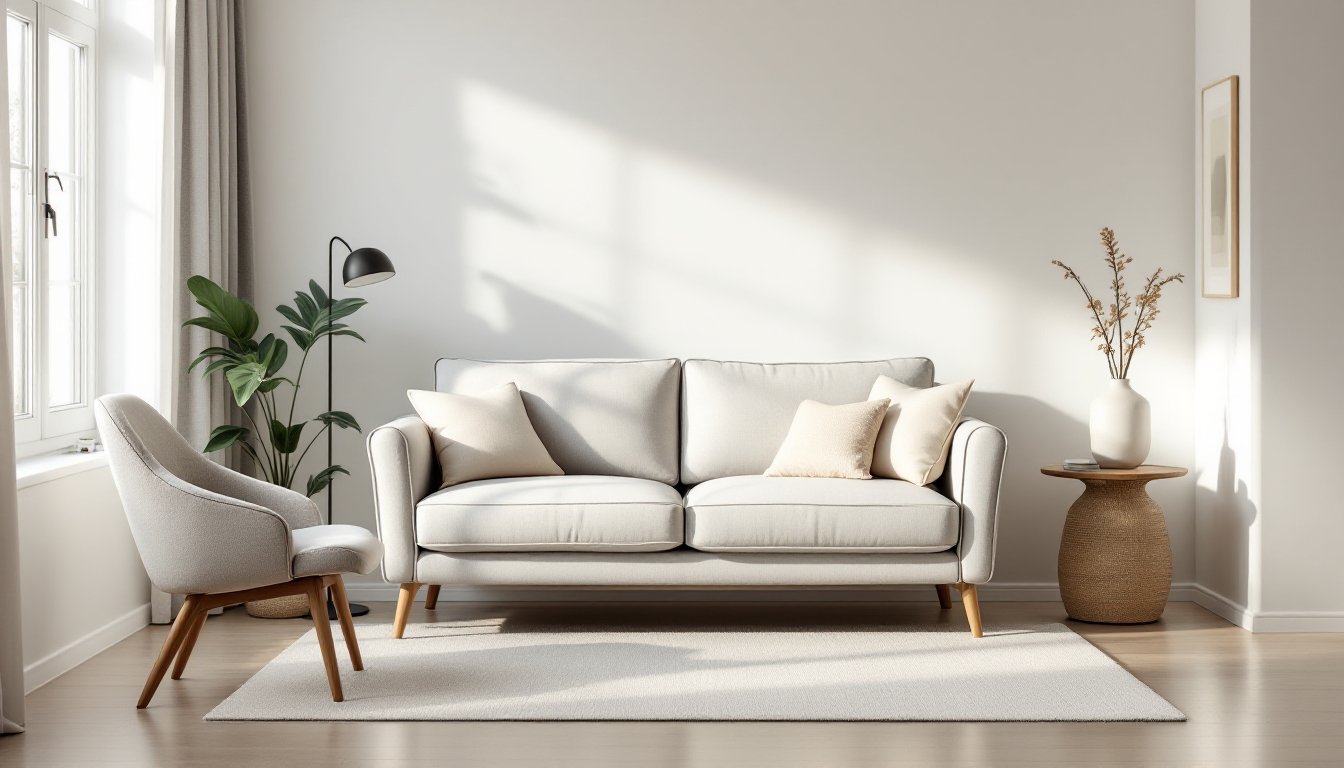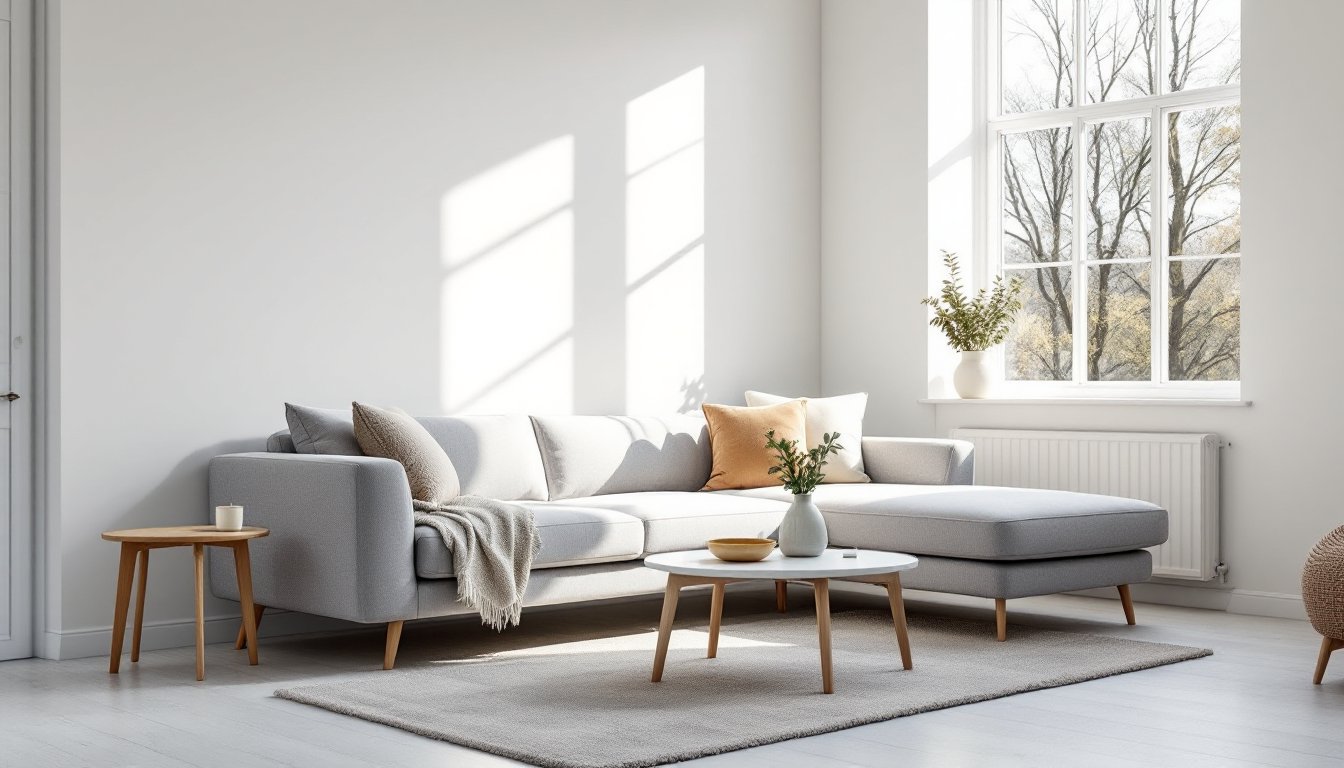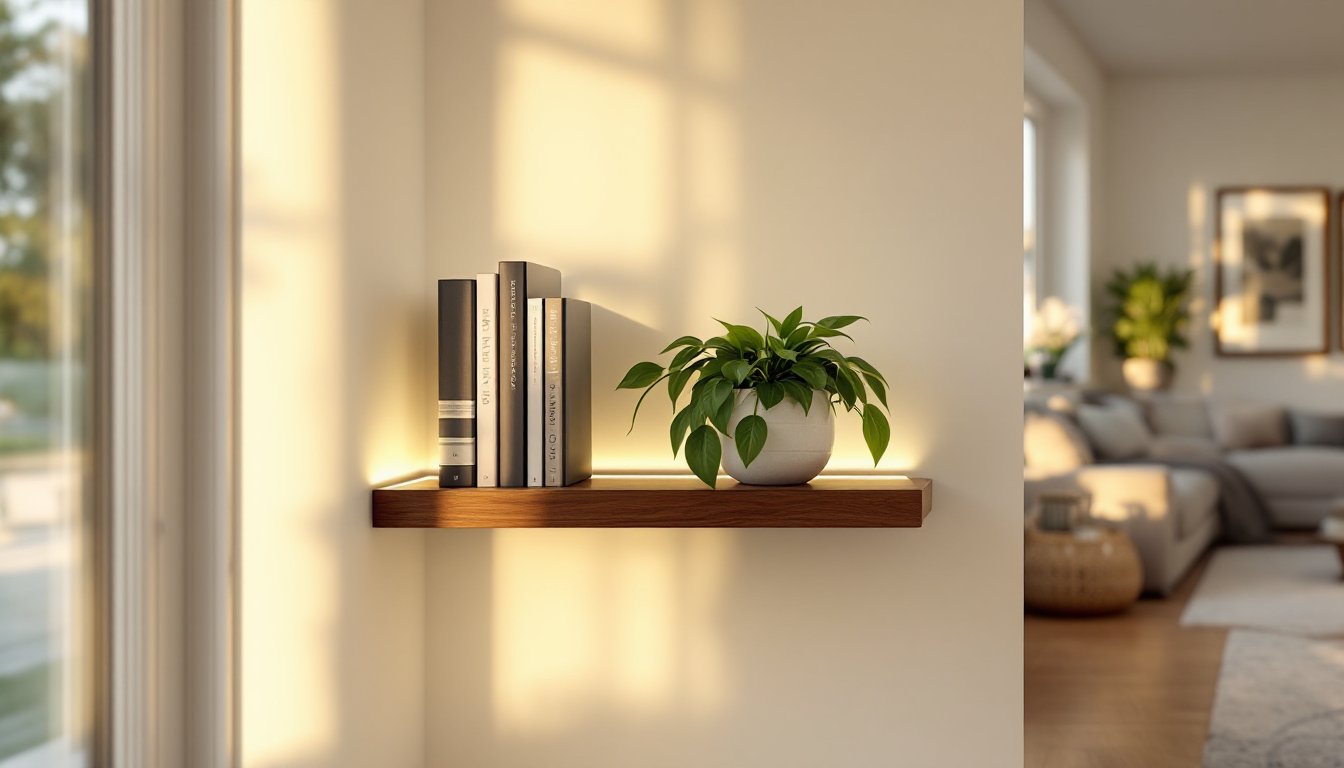
Dead corners in your living room don’t have to stay that way. A strategically placed corner shelf transforms wasted space into a functional display area that adds character without eating into your floor plan. Whether you’re working with a cozy studio apartment or a sprawling family room, corner shelves solve the perennial problem of how to use every inch efficiently. They’re also refreshingly simple to install and infinitely customizable, from sleek floating designs to rustic ladder styles. This guide explores seven distinct corner shelf approaches so you can pick the right fit for your space and skill level.
Table of Contents
ToggleKey Takeaways
- Corner shelf ideas transform dead corners into functional display areas that enhance your living room’s character and maximize space efficiency.
- Floating corner shelves create a sleek, minimalist look by mounting flush to walls, but require precise stud placement and careful weight distribution to avoid sagging.
- Wall-mounted corner shelves with visible brackets offer superior load capacity and easier installation, typically holding 20–40 pounds depending on bracket quality and wall anchoring.
- Ladder-style corner shelves require no wall anchoring and work well for renters, though they occupy 18–24 inches of floor space and limit usable surface area on top shelves.
- Proper installation requires measuring twice, verifying corner angles with a carpenter’s square, and load-testing with actual items for 24 hours before fully styling your display.
- Style your corner shelves using the rule of three with mixed heights, textures, and plants, leaving breathing room and adding subtle LED lighting to enhance visual impact.
Floating Corner Shelves: Sleek and Space-Saving
Floating shelves are the darling of modern design, they mount flush to the wall with no visible brackets, creating an airy, minimalist look. They work particularly well in corners because they visually lighten a space that might otherwise feel crowded.
For installation, you’ll need a stud finder, a level, and either toggle bolts or a bracket-mounting system designed for drywall. Most floating shelves rely on a hidden French cleat or steel rod inserted into wall studs. The key is finding studs in both walls that meet at your corner, this requires some maneuvering since studs typically sit 16 inches on center.
Measure twice before drilling. A floating shelf that sags under weight looks worse than no shelf at all. If your corner studs don’t align perfectly with your shelf placement, heavy-duty toggle bolts rated for at least 50 pounds can work, though studs are always preferable for longer shelves.
Safety tip: Wear eye protection when drilling into walls and use a dust mask if you’re drilling into drywall. Material-wise, walnut, white oak, or painted plywood all work beautifully. Avoid very soft woods like pine if you’re planning to load them heavily, they’ll develop divots over time.
Wall-Mounted Corner Shelves for Small Spaces
Wall-mounted corner shelves with visible brackets are the practical choice when you need genuine load capacity and peace of mind. They’re also forgiving on installation, no hunting for studs in two directions simultaneously.
Look for L-shaped steel or wrought-iron brackets rated for the weight you plan to store. A typical 24-inch corner shelf holds 20–40 pounds depending on bracket quality and wall anchoring. Measure your corner depth carefully: most range from 8 to 12 inches. The corner should feel proportional to your wall, a shallow 6-inch shelf looks lost above a sofa, while a deep shelf might block sight lines in a tight space.
Installation is straightforward: find studs with your stud finder, mark bracket positions, and use 3-inch wood screws or ½-inch lag bolts anchored directly into studs. If studs don’t cooperate, industrial-grade toggle bolts or expansion anchors work for drywall, though you’ll sacrifice some load capacity. Always use a level both horizontally and at the bracket angles.
These shelves shine in living room wall art displays because the brackets won’t distract from decorative pieces. Paint brackets to match your wall color for seamless integration.
Ladder-Style Corner Shelves: Rustic Charm and Accessibility
Ladder-style corner shelves lean against the wall in a triangular footprint, offering a casual, approachable aesthetic. They don’t require wall anchoring, just floor-to-wall positioning, which makes them ideal for renters or anyone hesitant about drilling.
These are available pre-made or easily constructed from dimensional lumber. A DIY version uses two lengths of 1×2 or 1×3 lumber joined by horizontal 3/4-inch shelves at 12-inch intervals. The angled design naturally distributes weight and creates visual movement that pulls the eye upward.
Material choices matter: solid wood like pine or cedar weathers beautifully with age, while metal-frame versions suit industrial or modern spaces. A typical 5-tier ladder shelf runs 60–72 inches tall and uses about 8 linear feet of material.
The downside? Floor space. A corner ladder occupies roughly 18–24 inches of floor depth, so it’s not ideal for tight living rooms. Also, the leaning angle means top shelves sit farther back, reducing usable surface area. But for displaying lighter items, books, small plants, decorative objects, they’re unbeatable on charm and ease of installation.
Corner Shelves With Storage and Display Combinations
Some corner shelf designs blend open shelving with closed storage, maximizing functionality. Think of a unit with two open shelves above a cabinet base or a corner shelf with woven baskets sliding underneath.
These hybrid pieces excel when you need to hide clutter while still displaying curated items. A living room corner might feature decorative boxes on the lower shelf and coffee table books above, everything visible but organized. Alternatively, a corner credenza with doors and shelves combines storage for remote controls and blankets with display space on top.
Material combinations are flexible. A painted plywood box with butcher-block shelving creates a craftsman vibe. Steel frames with reclaimed wood combine industrial and rustic aesthetics. Pre-made corner units from furniture retailers range from budget-friendly particleboard to solid hardwood, and installation difficulty varies accordingly.
Measure your corner opening precisely because these units are less forgiving than simple shelves. You’ll also need to consider weight distribution, a full cabinet with closed storage holds more weight per shelf than open shelving, so wall anchoring must be rock-solid. Consider consulting a model home living room gallery for inspiration on balancing storage and display elegantly.
DIY Installation Tips and Best Practices
Before any corner shelf goes up, do the prep work properly. Use a stud finder to locate wooden framing in both walls, most homes have studs 16 inches on center, but it’s worth confirming. Mark the stud locations with a light pencil line: you’ll reference this for bracket placement.
Measure your corner angles. True 90-degree corners are rare: even small deviations throw off shelf alignment. Use a carpenter’s square or laser level to verify angle and horizontal plane before securing anything. A shelf that looks off-kilter by half an inch will nag you forever.
Choose appropriate fasteners for your wall type. Into studs, use 3-inch wood screws or ½-inch lag bolts. For drywall without studs nearby, heavy-duty toggle bolts or molly bolts rated for at least 50 pounds hold better than simple plastic anchors. If you’re unsure about your wall composition, plaster is common in older homes, drill a test hole first to check.
Load-test before going full décor mode. Place your heaviest intended items on the shelf and wait 24 hours. Any sag means the installation isn’t solid enough: don’t add more weight.
Safety first: wear safety glasses when drilling. If drilling into plaster or older masonry, use a dust mask, plaster and certain older materials contain silica. For noise-sensitive situations, a corded drill generates less sound than a cordless impact driver. Protect your furniture below with a drop cloth.
Styling Your Corner Shelves for Maximum Impact
Installation is just half the battle, styling determines whether your shelf becomes a focal point or a visual afterthought.
Start with a clean base. Wipe shelves down and consider a primer if the wood is raw or stained unevenly. A quick coat of matte poly or paint unifies the look.
The “rule of three” works here: group items in odd numbers, three books, three small plants, three decorative objects, rather than symmetrical pairs. Vary heights and depths. A tall object in back, medium in middle, small in front creates visual rhythm and prevents the shelf from feeling flat.
Indoor plants for living room displays work beautifully on corner shelves because the vertical positioning mimics how plants grow. Pothos and philodendron handle low-light corners well. A trailing plant on an upper shelf and an upright succulent below create movement.
Books, when displayed spine-out, add color and intellectual character. Mix in objects that have texture, woven baskets, glass vessels, wood boxes. The goal is layering, not cramming. Leave breathing room: empty space is part of the design.
Lighting matters more than people realize. A small battery-powered LED strip on the underside of the shelf casts warm light downward and subtly highlights items. This also draws the eye upward, making corners feel more integrated into the room rather than forgotten spaces. Consider how your corner shelf interacts with living room gallery wall arrangements nearby, they should complement rather than compete.
Conclusion
Corner shelves transform overlooked spaces into functional displays that anchor your living room design. Whether you choose floating minimalism, ladder-style charm, or hybrid storage-display combinations, the key is honest assessment of your wall condition, careful measurement, and secure installation. Start with your room’s style, modern, rustic, eclectic, and let that guide your shelf type. Then style thoughtfully, avoiding clutter and embracing negative space. Done right, a corner shelf stops being wasted square footage and becomes a defining design element.