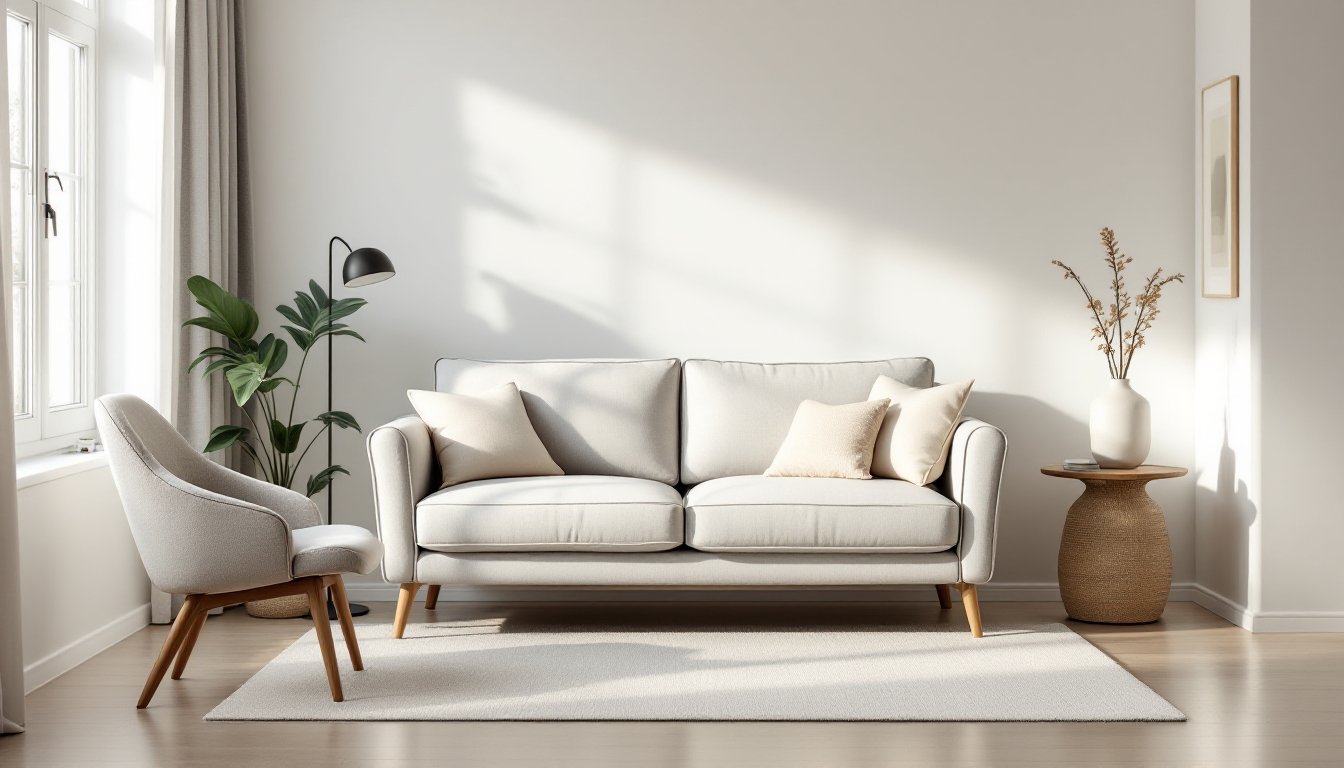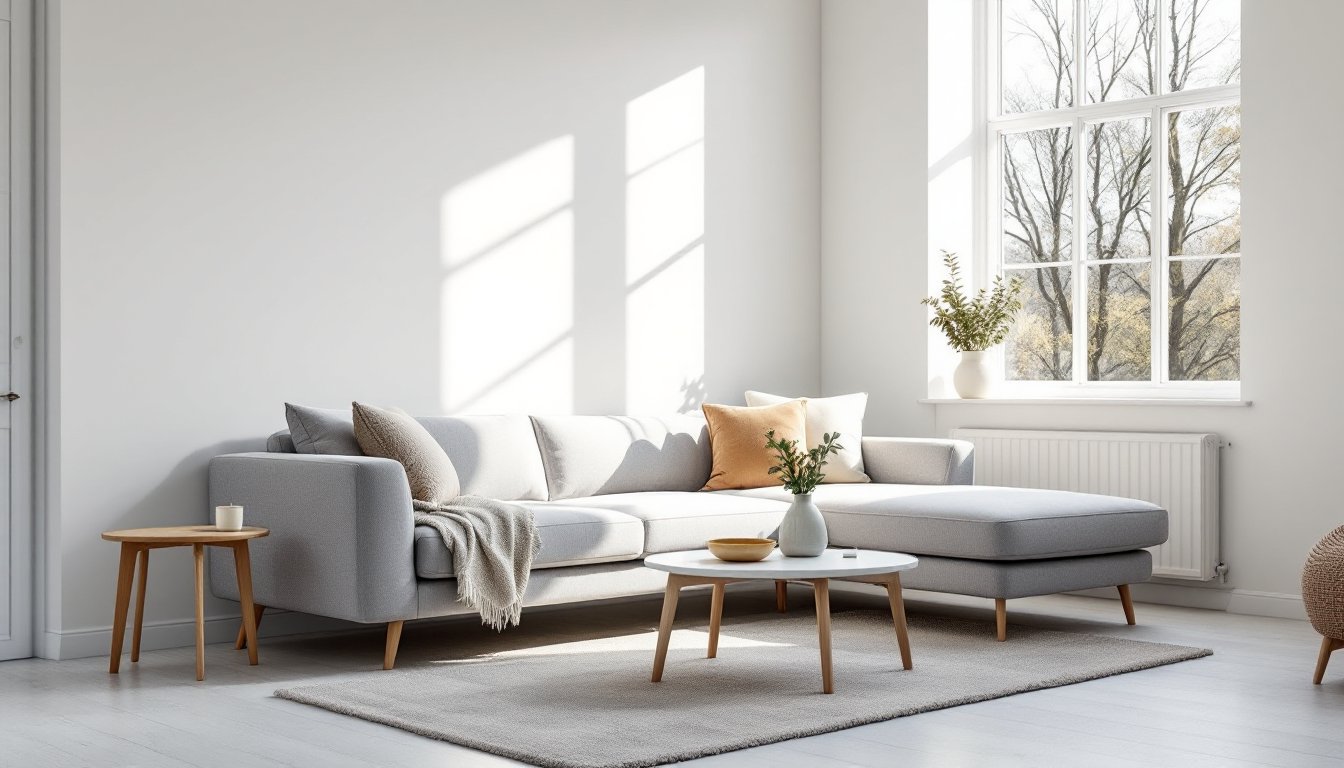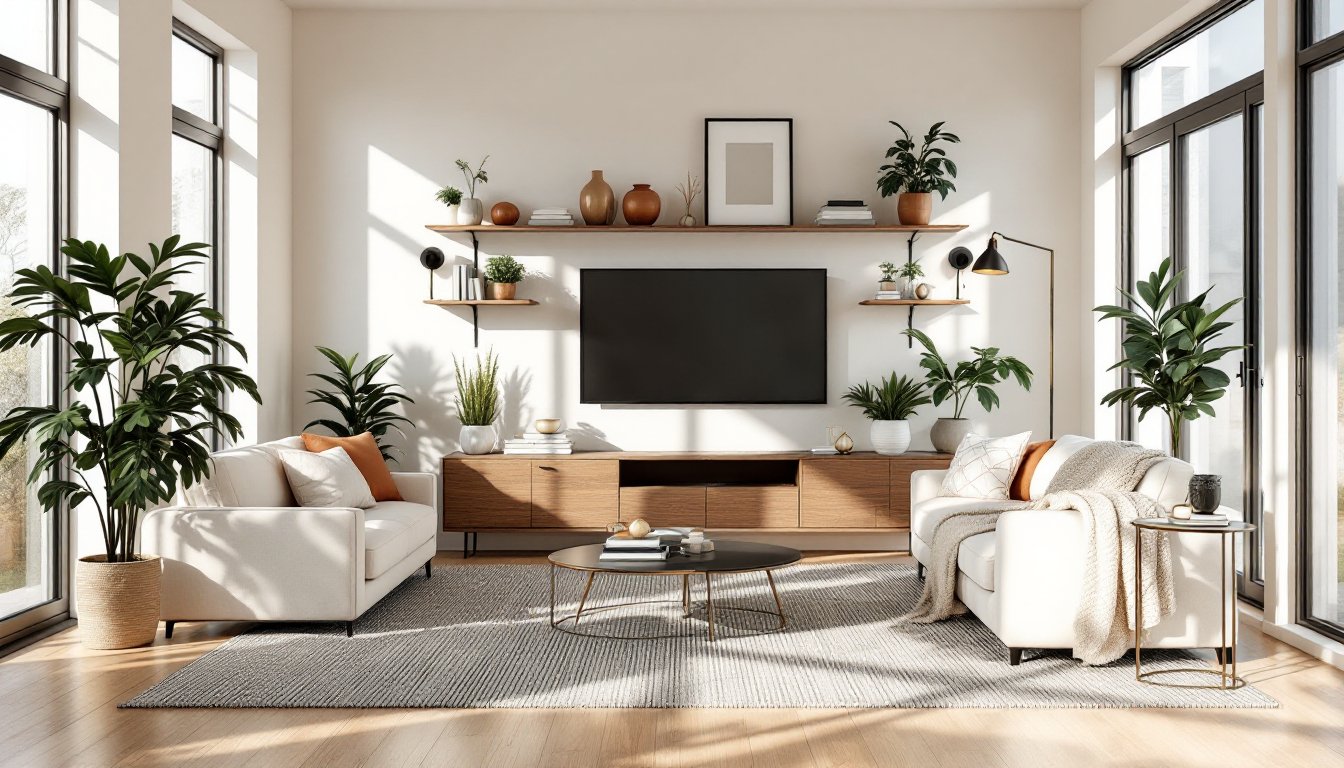
A contemporary living room doesn’t have to feel cold or impersonal. The goal is creating a space that’s both functional and visually striking, one where you actually want to spend time. Whether you’re starting from scratch or refreshing what you’ve got, contemporary design emphasizes clean lines, purposeful materials, and a balance between minimalism and warmth. The ideas here won’t require a complete gut renovation: most are tactical updates you can carry out section by section. Let’s walk through the core principles that define modern living room design in 2026 and how to bring them into your own home.
Table of Contents
ToggleKey Takeaways
- Contemporary living room design balances minimalism with warmth through clean lines, purposeful materials, and intentional curation rather than strict minimalism alone.
- Warm neutral color palettes—such as greige, soft taupes, and natural wood tones—create visual depth and inviting spaces that feel modern without sterile beige monotony.
- Layered lighting with ambient, task, and accent sources is essential for contemporary rooms, using LED bulbs at 2700K to balance functionality with atmosphere and mood.
- Functional furniture pieces elevated on legs rather than skirted bases, combined with integrated storage solutions, maximize openness while keeping the room organized and clutter-free.
- Texture and material mixing—incorporating wood, metal, fabric, glass, and concrete—adds visual interest and tactile richness that prevents contemporary rooms from feeling flat.
- Hardy plants in neutral ceramic or concrete planters soften contemporary spaces while improving air quality, with low-maintenance varieties like pothos and snake plants working best in varying light conditions.
Embrace Minimalist Aesthetics With Clean Lines
Minimalism in contemporary design means function first, ornamentation second. Start by choosing furniture pieces with straight edges and simple geometric shapes. A low-profile sofa with track arms, arms that run flush with the seat cushion, reads cleaner than a rolled arm design. Pair it with a console table in wood or metal that has no decorative cutouts or curved legs.
Here’s the practical reality: minimalist rooms feel larger and easier to maintain, but they require intentional curation. Every piece you choose should earn its place. That vintage side table with the ornate carved legs? It works against the aesthetic. A sleek nightstand in walnut or white oak with tapered legs does the same job without visual clutter.
Wall-mounted shelving outperforms freestanding units because it creates visual openness. Mount shelves at eye level (roughly 60-66 inches from the floor) to display books, plants, or ceramics without blocking sightlines. Keep items grouped in odd numbers, three books, three plants, one sculptural object, rather than cluttering every shelf.
Lighting fixtures matter too. Skip ornate chandeliers and opt for a statement pendant in matte black or brushed brass with a simple silhouette. Avoid busy patterns on rugs: a solid neutral or subtle geometric weave grounds the room without visual noise.
Incorporate Warm, Neutral Color Palettes
Contemporary doesn’t mean beige monotony. The trick is layering warm neutrals, creams, warm grays, soft taupes, and natural wood tones, so the room feels inviting rather than sterile. This approach draws from Scandinavian design principles while staying firmly modern.
Start with a paint color in a warm white or greige (gray-beige blend) as your base. Benjamin Moore’s “Revere Pewter” or Sherwin-Williams’ “Accessible Beige” are industry standards because they don’t shift awkwardly under different lighting. Apply primer first, most neutrals need one coat of quality primer and two coats of paint for even coverage and durability. Budget roughly $40–70 per gallon depending on region and brand: one gallon typically covers 350–400 square feet with two coats.
Introduce depth by bringing in wood furniture in medium to warm undertones. Walnut, cherry, and warm oak create visual interest without looking mismatched. Pair wood with a neutral upholstered sofa in linen or performance fabric, something that actually resists stains and fading because living rooms get used.
The final layer: accessories in warm metallics. A brass floor lamp, copper-accented mirrors, or warm steel shelving brackets add subtle richness. These finishes naturally complement warm neutrals, whereas cool silvers can feel dated alongside creams and taupes.
Don’t forget textiles. A chunky-knit throw in cream or taupe and geometric-patterned pillows in muted tones soften the room and make it actually livable.
Mix Textures and Materials for Visual Interest
Here’s where contemporary design gets tactile and interesting. Texture prevents a minimalist room from feeling flat. Combine materials deliberately: wood, metal, fabric, glass, and concrete each reflect and absorb light differently, creating depth.
For flooring, a polished concrete screed or light wood works beautifully. If you’re not ready for a full floor overhaul, layer a low-pile wool or synthetic area rug (avoid anything shag-like) to define the seating zone and add warmth underfoot. Area rugs in contemporary rooms work best when they’re 8×10 feet or larger so furniture legs sit fully on the rug: undersized rugs make rooms feel fractured.
On walls, consider one accent wall in shiplap (1×6 or 1×8 boards, stained or painted) or textured plaster. This requires basic carpentry skills if you go the shiplap route, think stud location, fastening, and caulking, or hire a finisher for plaster. The payoff is significant visual impact without color.
Furniture mix: a metal-frame bookshelf next to a wooden media console next to a glass-topped side table creates intentional variety. Upholstery matters too. Pair a linen sofa with a leather accent chair and wool throw pillows so no two adjacent surfaces feel identical.
Accents round out the mix: a concrete planter, brass picture frames, ceramic vases, and natural fiber throw baskets add tactile richness. The room should feel like you can run your hand across multiple different surfaces and be surprised each time.
Optimize Lighting With Layered Approach
Contemporary rooms rely on layered lighting because it’s both functional and atmospheric. Skip the single overhead fixture: instead, use ambient, task, and accent lighting working together.
Ambient lighting provides overall illumination. Recessed LEDs at 5000–5500K color temperature (cool-white daylight) work in modern spaces, but warm them slightly to 3000K if you want the room to feel cozy. If recessed lights aren’t feasible, a flush-mount fixture with frosted glass or linen diffuses light evenly without drawing visual attention.
Task lighting handles reading and detailed work. A swing-arm wall sconce next to a reading chair is functional and space-efficient. Table lamps with a matte shade work on side tables. Avoid shiny silk or glossy finishes: they feel dated next to contemporary design.
Accent lighting highlights architectural features or art. A picture light above a gallery wall or LED strip along floating shelves adds visual interest after dark. Dimmers on all circuits let you adjust mood and save energy, install a smart dimmer switch (around $30–50) if you want app control.
Bulbs matter. LED bulbs at 2700K (warm white) are now affordable and efficient. A 60-watt-equivalent LED costs $3–8 and lasts 15+ years. Traditional incandescent bulbs in contemporary spaces feel like a mistake: they’re warm but inefficient and short-lived.
Position light sources so they avoid glare on screens and windows. If your sofa faces a TV, flank it with sconces at roughly 60 inches high rather than a lamp directly behind, which creates screen glare.
Choose Functional Furniture With Style
Contemporary furniture prioritizes usability. That sculptural chair that photographs beautifully? If no one actually sits in it, it’s not contemporary, it’s decoration. Real contemporary pieces earn their space by being genuinely useful.
Sofas should be deep enough for comfortable lounging (typically 26–32 inches deep) but not so oversized they dominate the room. An L-shaped sectional works well in large rooms, but a classic sofa paired with accent chairs provides flexibility in smaller spaces. Look for pieces with wooden legs elevated off the floor rather than a skirted base: this makes rooms feel more open and makes vacuuming easier.
Modern Home Living Rooms showcase how storage integrates into contemporary designs. Choose media consoles with closed storage for visual cleanliness: open shelving displays too much clutter. A coffee table with a shelf or drawer function adds utility without extra footprint.
Storage is non-negotiable. Floating wall-mounted shelving or a low credenza in matching wood tones keeps the room organized without floor clutter. One rule: if it sits on the floor, it should be furniture, not bins. Baskets are great, but stack them in a closet, not your living room.
Testing comfort is essential, so visit showrooms or order from places with solid return policies. Sit in pieces for at least five minutes to judge depth and firmness. A sofa that looks great but leaves you with back pain isn’t contemporary: it’s a mistake you’ll regret.
For smaller living rooms, look for nesting tables, ottomans with hidden storage, and console tables that double as workspace. These adapt to your needs rather than forcing you to work around them.
Add Plants and Natural Elements
Natural elements soften contemporary spaces and improve air quality. Plants aren’t just décor, they’re functional. Design Milk and other contemporary design resources regularly spotlight how living elements balance minimalist interiors.
Start with hardy, low-maintenance varieties suited to your light conditions. A fiddle leaf fig or floor-standing monstera works in bright, indirect light and makes a visual impact without fussiness. Pothos vines trailing from high shelves add movement. Rubber plants are nearly indestructible and look sculptural. If light is limited, snake plants, ZZ plants, or peace lilies thrive in medium to low conditions.
Container choice matters as much as the plant. Pair greenery with simple ceramic or concrete planters in neutral tones. A 6-inch planter runs $8–15, an 8-inch runs $12–25, depending on material quality. Avoid busy patterns: solid colors let the foliage do the visual work. Use saucers or liner pots to protect floors from moisture.
Natural materials amplify the effect. Incorporate raw wood shelving, stone accents, or woven fiber baskets. A live-edge wood shelf displays plants and books while adding organic warmth. Jute or sisal rugs introduce natural fiber texture. Pebbles in a low bowl or branches in a tall vase add sculptural natural elements without needing maintenance.
Watering schedules matter. Group plants by water needs, high-water plants together, low-water varieties elsewhere, so you don’t overwater or neglect. Most houseplants prefer drying out slightly between watering rather than constant moisture. Repot plants yearly in spring using quality potting soil: cheap soil compacts and drains poorly.
Conclusion
Contemporary living room design is fundamentally about intentionality. Every piece, material, and finish should serve both visual and functional purposes. Start with the bones, wall color, lighting, and a foundational sofa. Then layer in texture, plants, and accent pieces thoughtfully. The rooms that feel both modern and livable aren’t sterile: they’re carefully curated spaces that balance restraint with warmth. Carry out these ideas gradually, test what works in your space, and you’ll build a living room that feels genuinely yours in 2026.