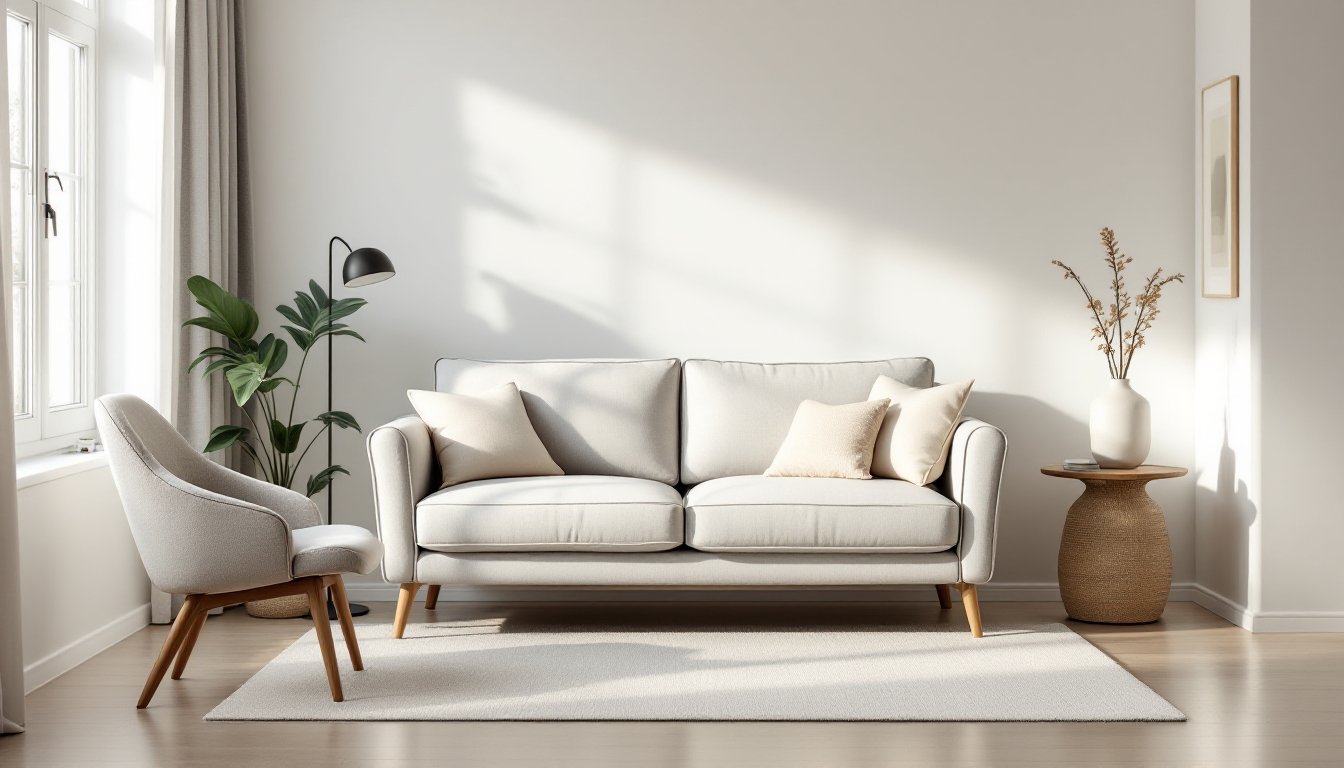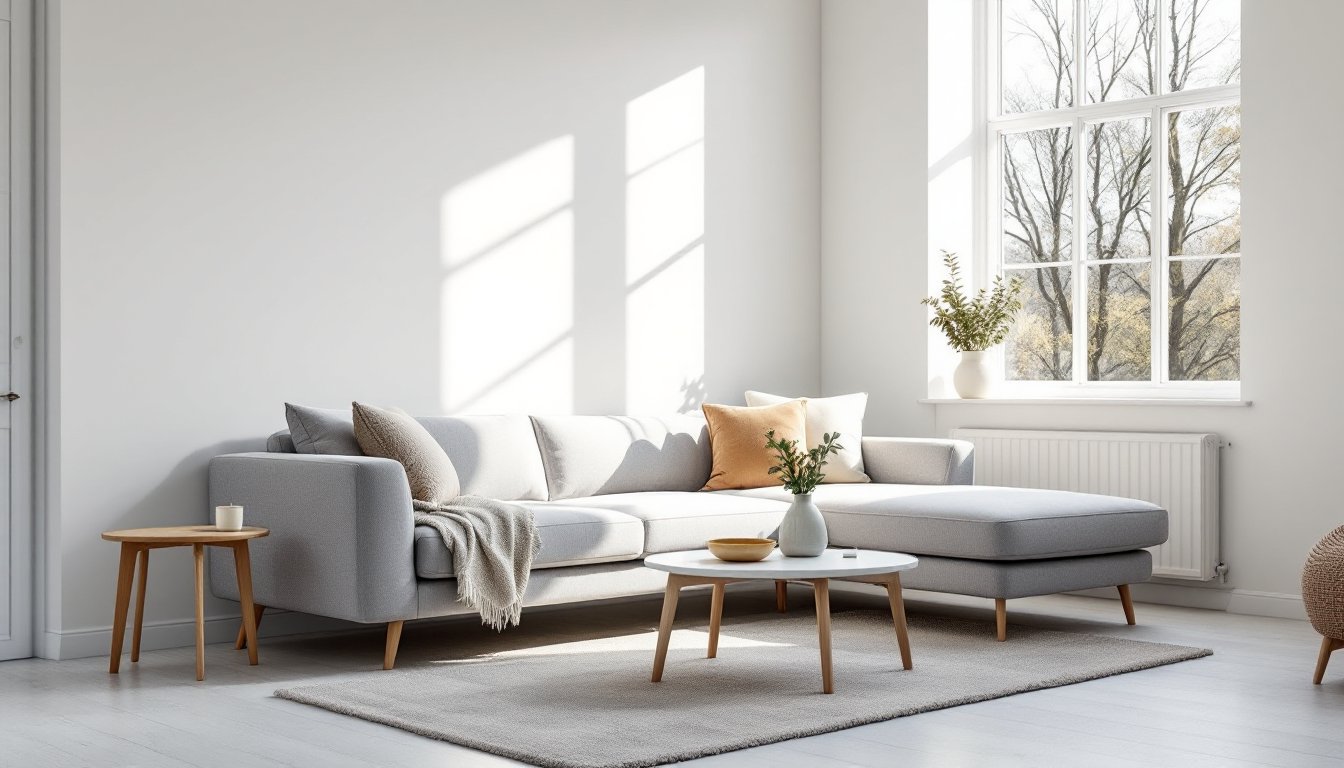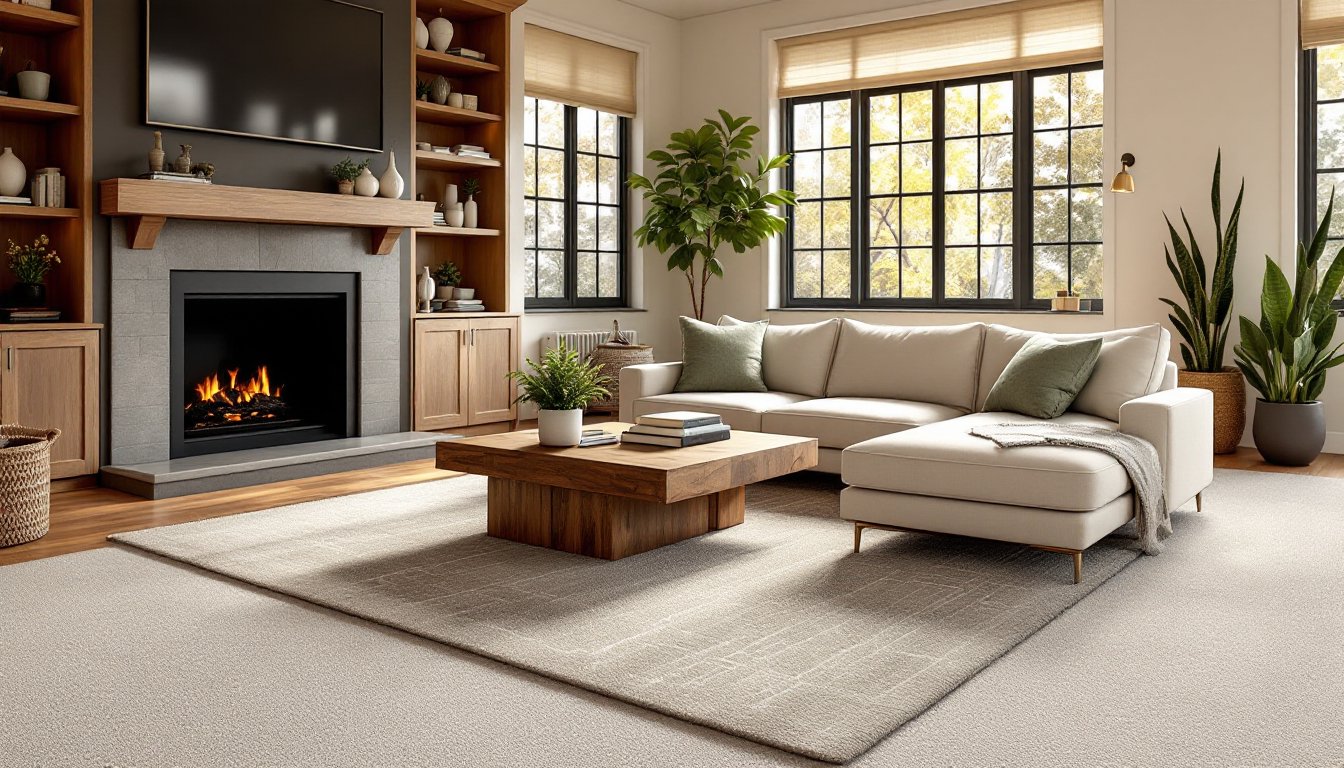
Choosing the right carpet for your living room is more than picking a color that matches your couch. It’s an investment in comfort, durability, and the overall feel of the space where your family gathers most. Whether you’re starting from scratch after moving into a new home or ready to refresh worn-out flooring, carpet ideas that balance style with practicality can transform how your living room looks and functions. From cozy neutral backgrounds to statement patterns that anchor the room’s design, this guide walks you through every consideration, material choices, color psychology, budget constraints, and maintenance realities, so you can confidently select carpet that fits both your lifestyle and your home’s character.
Table of Contents
ToggleKey Takeaways
- Choosing the right carpet for your living room requires balancing material durability (nylon and wool last longer than polyester), pile type, density, and your household’s traffic patterns and maintenance commitment.
- Neutral carpet colors like warm grays and taupes provide long-term versatility and hide dirt better, while bold statement colors and patterns add personality but may feel dated—use layered rugs and throw pillows to add color without permanent flooring changes.
- Budget-conscious carpet ideas include room-sized area rugs over existing flooring ($500–$1,500 vs. $1,200–$4,500 for full installation), carpet tiles for modular replacement, or discounted remnants that offer 40–60% savings.
- Establish immediate maintenance habits—vacuum weekly, address spills by blotting immediately, invest in carpet protector at installation, and schedule professional deep cleaning every 12–18 months to extend carpet life and preserve appearance.
- Strategic carpet placement shapes your living room’s functionality: wall-to-wall unifies small spaces, centered area rugs define seating zones, and layered rugs or diagonal placement add visual depth without replacing flooring entirely.
Popular Carpet Styles and Materials for Living Rooms
When shopping for living room carpet, you’ll encounter several material options, each with distinct trade-offs between durability, comfort, and price.
Polyester is the most budget-friendly and stain-resistant choice, making it popular in households with pets or young kids. It’s easy to clean and retains color well, but it doesn’t hold up as long as wool or nylon under heavy foot traffic. Nylon, by contrast, is tougher and bounces back from compression better, which is why you’ll see it in high-traffic commercial spaces. It costs more than polyester but lasts longer, typically 7 to 10 years versus 5 to 8 for polyester.
Wool sits at the premium end. It’s naturally stain-resistant, durable, and feels luxurious underfoot, but it commands a higher upfront price and requires professional cleaning. Many homeowners split the difference with wool-blend carpets (usually 80% wool, 20% synthetic), which offer wool’s performance with slightly lower cost.
Beyond material, consider pile type. Plush pile feels soft and looks formal: it shows footprints easily, so it works best in low-traffic zones. Saxony is the middle ground, slightly textured, forgiving of traffic patterns, and the most common choice for living rooms. Frieze has a twisted, curly texture that’s durable and hides dirt, though it’s less common in contemporary living rooms. Berber (looped, uncut pile) is tough and casual-looking, often used in entryways and playrooms rather than formal living spaces.
When evaluating carpet density, run your hand across samples in the store. Higher density (more fibers per square inch) typically means better durability and longevity, though it costs more upfront. Check the carpet label for pile height and weight, these metrics help predict how well the carpet will wear over time.
How to Choose the Right Carpet Color for Your Space
Color choice dictates how your living room feels and functions. The wrong shade can make a space feel cramped, dingy, or cold, while the right one brings cohesion and personality to the entire room.
Start by considering your room’s natural light. Rooms with plenty of windows can handle deeper, richer tones without feeling heavy. North-facing or windowless living rooms benefit from lighter shades that reflect light and prevent the space from feeling like a cave. Take samples home and observe them at different times of day, overhead light, natural daylight, and evening lamps will all shift how colors appear.
Neutral Tones vs. Bold Statement Colors
Neutral carpets (beiges, grays, taupes, and soft browns) are the safe, versatile choice. They complement virtually any furniture style, last longer before looking dated, and work well if you’re planning to repaint walls or swap out decor down the line. Grays are especially popular right now: designers often recommend warm grays that read more sophisticated than cool, clinical tones. Neutrals also hide dirt better than light colors, which matters in a high-traffic living room.
Bold colors make a statement and can anchor a design theme. Deep blues, warm terracottas, or rich greens become the room’s centerpiece, which is thrilling if you love the color but risky if your taste shifts in five years. Bold patterns, geometrics, florals, or abstract designs, add visual interest and help mask wear patterns. But, patterned carpet competes with wall art and furniture arrangements, so the room needs careful editing to avoid feeling busy.
If you’re unsure, choose a neutral base carpet and add color and pattern through rugs, throw pillows, and wall art that energizes the space without permanent commitment. This layered approach lets you refresh the room’s look seasonally without replacing flooring.
Consider your existing color palette. If your furniture is predominantly warm-toned (beiges, terracottas, warm wood), a warm-gray or taupe carpet will harmonize better than a cool gray. Pull paint swatches from walls, photo samples of artwork, and fabric samples from existing pieces, then lay carpet samples against them under your home’s actual lighting. Store samples for a few days so you see them in morning light, afternoon brightness, and evening ambiance before deciding.
Budget-Friendly Carpet Solutions
New carpet installation typically runs between $3 to $12 per square foot for materials, plus $1 to $3 per square foot for labor, depending on your region and subfloor condition. For a 300-square-foot living room, that’s $1,200 to $4,500, a significant investment. If the full replacement isn’t feasible right now, consider these alternatives.
Carpet remnants from mills or retailers are heavily discounted, sometimes 40 to 60 percent off, because they’re leftover stock. They work great if your living room is smaller or if you’re willing to seam remnants together. Check with local carpet shops: they often have bins of discontinued colors or overstocked rolls.
Room-sized area rugs over existing flooring (hardwood, laminate, or worn carpet beneath) are an honest solution. A 9×12 or 10×14 rug anchors furniture arrangements, defines the living room zone, and costs far less than ripping out and replacing carpeting. Nontraditional rug layering and placement tricks let you create visual interest without full-room replacement. Plus, if you eventually install new carpet, the rug protects it from foot traffic and sunlight damage.
Carpet tiles are modular squares (usually 18×18 or 24×24 inches) that you can install yourself or have a pro install. They’re less expensive per square foot than broadloom (roll) carpet, and if one tile stains or wears, you replace just that tile rather than the entire floor. They’re also practical if you rent, though check your lease first.
DIY installation saves labor costs if you’re handy. Seaming and stretching carpet requires specialized tools (a knee kicker and power stretcher), so this route works best for small spaces or if you can rent equipment and watch detailed tutorials. Most homeowners hire pros for full-room installations to ensure proper stretch, seaming, and underlayment, mistakes here void warranties and lead to wrinkles or premature wear.
Maintenance and Care Tips for Long-Lasting Results
How you care for carpet determines whether it looks fresh for five years or looks worn after two. Establish a maintenance routine immediately after installation.
Vacuum weekly (or more often in high-traffic areas) to remove dirt and dust that grind fibers and dull color. Use a vacuum with good suction and a beater bar suitable for your pile type, plush carpets can mat down if you use aggressive rotation too frequently, while saxony and berber benefit from regular agitation.
Address spills immediately. Blot (don’t rub) liquid spills with clean, dry towels. For sticky residue, spray a small amount of carpet cleaner, wait 5 minutes, then blot again. Rubbing smears the stain deeper into fibers and damages the pile. Keep carpet stain remover on hand: brands designed for your carpet’s specific fiber type (wool, nylon, polyester) work better than generic solutions.
Invest in a carpet protector at installation. Products like Scotchgard chemically seal fibers, making them resistant to water and oil-based stains. This adds $0.50 to $1 per square foot at installation, which seems pricey but often pays for itself in avoided professional cleaning or spot treatments.
Professional cleaning every 12 to 18 months extends carpet life significantly. Hot-water extraction (steam cleaning) removes dirt, allergens, and bacteria that vacuuming alone can’t lift. Don’t wait until carpet looks visibly dirty: regular deep cleaning prevents buildup that leads to premature aging.
Use entry-point mats to catch dirt before it travels into living spaces. A quality mat placed inside exterior doors or at the transition from kitchen to living room reduces the soil transferred onto carpet by 80 percent.
Rotate furniture periodically to prevent uneven wear patterns and fading. If the couch has sat in the same spot for years, you’ll see a lighter rectangle where sunlight didn’t reach. Moving furniture every 6 months balances wear across the floor and prevents the room from looking worn in high-traffic zones while other areas remain pristine.
Creative Layouts and Placement Ideas
How you position carpet or rugs shapes the living room’s functionality and perceived size. Carpet doesn’t have to run wall-to-wall, strategic placement can create zones and visual interest.
Wall-to-wall installation unifies the space and makes smaller rooms feel larger. It’s the traditional approach and remains the most common for full living room coverage. This works best when you’re replacing old carpet anyway, since partial removal and reinstallation of existing carpet isn’t cost-effective.
Centered area rugs placed under a sofa and coffee table define the seating area while leaving hardwood or existing flooring visible around the edges. This approach works especially well in luxury living room designs or rooms adjacent to open kitchens, where visual separation between zones matters. The rug should be large enough that front legs of furniture rest on it, this anchors the space and prevents a scattered feeling.
Layered rugs (placing a smaller, patterned rug over a larger neutral one) add depth and personality. This technique works beautifully in rooms with magnolia home or farmhouse aesthetic, where textural variety and collected-over-time charm appeal. It’s also budget-friendly since you’re building gradually rather than investing in one perfect carpet.
Diagonal placement of runners or smaller rugs creates movement and can make a rectangular room feel wider. Angle a rug corner-to-corner rather than parallel to walls to trick the eye into perceiving different proportions.
In tiny home living rooms or small spaces, choose light-colored, low-pile carpet or minimal rug coverage to maintain a sense of openness. In larger living rooms, bolder colors, patterns, and full-room coverage feel cozy rather than overwhelming.
Consider how carpet or rug placement interacts with architectural features. If your living room has built-in bookcases, a fireplace, or an accent wall, let those elements guide rug placement, the carpet should enhance them, not compete. Model home designs often use rug placement to highlight focal points, anchoring the eye toward fireplaces or windows rather than letting it wander aimlessly around the room.
For rooms with multiple seating zones (a sofa arrangement and a separate reading nook, for example), use distinct carpet colors or rugs to delineate spaces while keeping the overall palette cohesive. This helps the room feel intentionally designed rather than cluttered.
Conclusion
Selecting carpet for your living room isn’t a single decision, it’s a series of practical choices about material, color, budget, and placement that compound into a room you genuinely enjoy. Invest time in sampling, observing colors in your actual light, and understanding the durability profiles of different fibers. Whether you choose plush wool, durable nylon, or budget-friendly polyester, prioritize maintenance from day one. Protect your investment with regular vacuuming, prompt stain treatment, and professional cleaning. And remember: the right carpet isn’t always the most expensive one, it’s the one that balances your lifestyle, your design vision, and your willingness to care for it properly. With these ideas and strategies in mind, you’re ready to transform your living room into a space that’s both beautiful and built to last.