Picking the right couch for a small living room isn’t about squeezing furniture into awkward corners, it’s about choosing smart. A cramped space demands a strategic approach: the wrong couch eats floor area, blocks light, and makes the whole room feel suffocating. The right one anchors your layout, opens up sightlines, and still gives you a comfortable place to land. This guide covers seven practical styles that work in tight quarters, from compact loveseats to clever storage sofas that pull double duty. Whether your space is 100 square feet or 250, these solutions prioritize function without asking you to sacrifice actual comfort or style.
Table of Contents
ToggleKey Takeaways
- A couch for a small living room should have exposed legs, light upholstery, and proper dimensions (ideally 60-90 inches) to maximize floor space and visual openness.
- Seat depth matters significantly—choose 30-36 inches based on your body size and preference, and always measure your space before shopping to account for walkways and clearance.
- Loveseats and compact sofas (60-78 inches wide) are ideal alternatives to full-size couches, offering comfortable seating without overwhelming tight layouts.
- Multi-functional pieces like storage sofas let you stash seasonal items and decor without adding extra furniture, making them perfect for storage-limited small spaces.
- Light, neutral fabrics in cream, soft gray, or taupe help a couch visually recede and feel less bulky, while bold colors should be reserved for pillows and throws instead of main upholstery.
- Strategic placement—pushing the couch against the longest wall or floating it slightly—opens traffic flow and makes the room feel intentional rather than cramped.
Why Couch Selection Matters in Tight Spaces
A couch is often the largest furniture piece in a small room, so it dictates how the whole space feels. Pick one that’s too deep, and your legs dangle off the edge with nowhere to rest. Choose one that’s too long, and you’re stuck with a narrow walkway. Scale matters more in compact layouts than anywhere else.
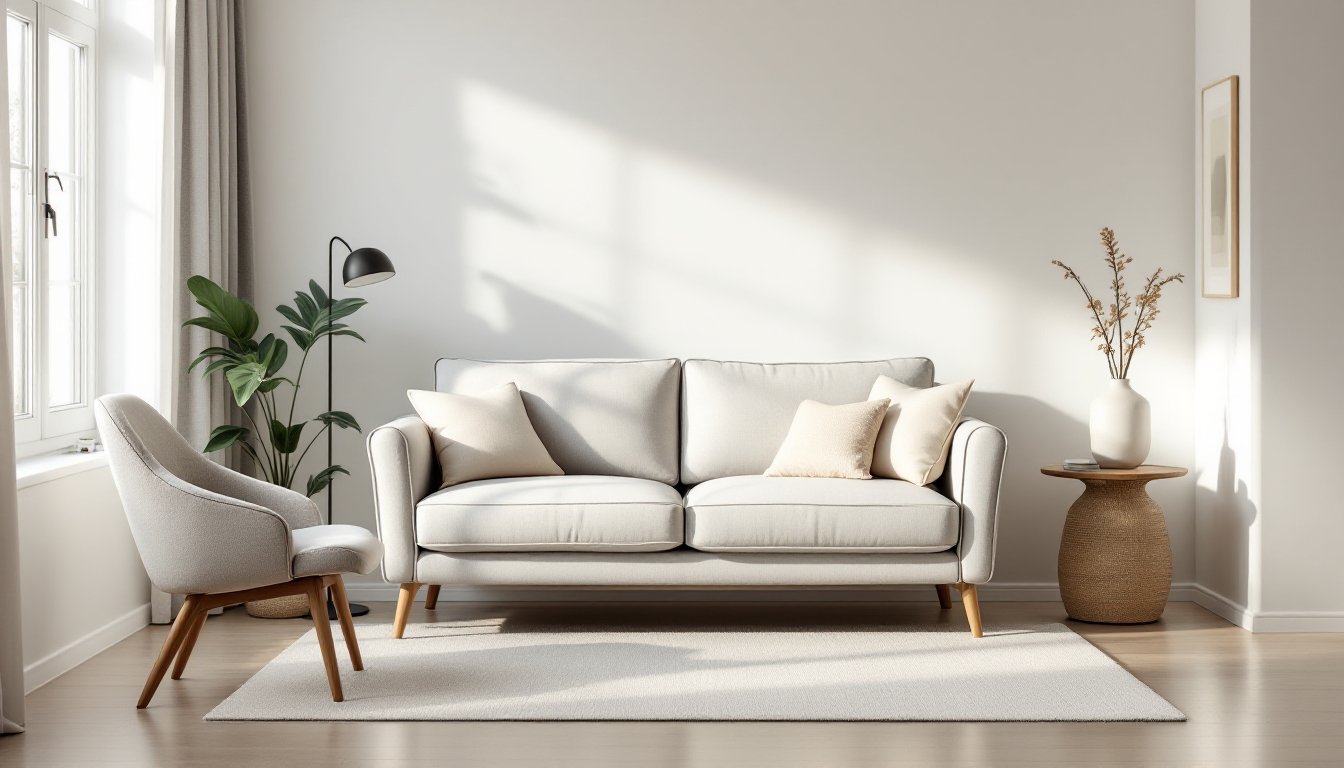
Beyond dimensions, the style of couch affects how much visual weight it carries. Low-profile frames with exposed legs, for instance, create the illusion of more floor space because light passes underneath. Heavy base skirts and tufted backs feel anchored and substantial, perfect for larger rooms, but they can visually shrink a small one. Material choices count too: light fabrics reflect light and feel airy, while dark, plush upholstery absorbs it and can make corners feel darker.
Placement strategy is equally critical. A couch pushed against the wall opens floor space for movement, but floating it (even slightly) can define a room and make the space feel intentional. For tiny home living, every square foot of circulation matters. You’ll want a piece that invites people to sit but doesn’t dictate traffic patterns around it.
Sectional Sofas: Maximizing Corner Space
A well-chosen sectional wraps around a corner and transforms dead space into seating. The key is choosing the right configuration and not oversizing it. Many people buy sectionals sized for sprawling family rooms, then wonder why their apartment feels jam-packed.
L-Shaped Designs for Awkward Layouts
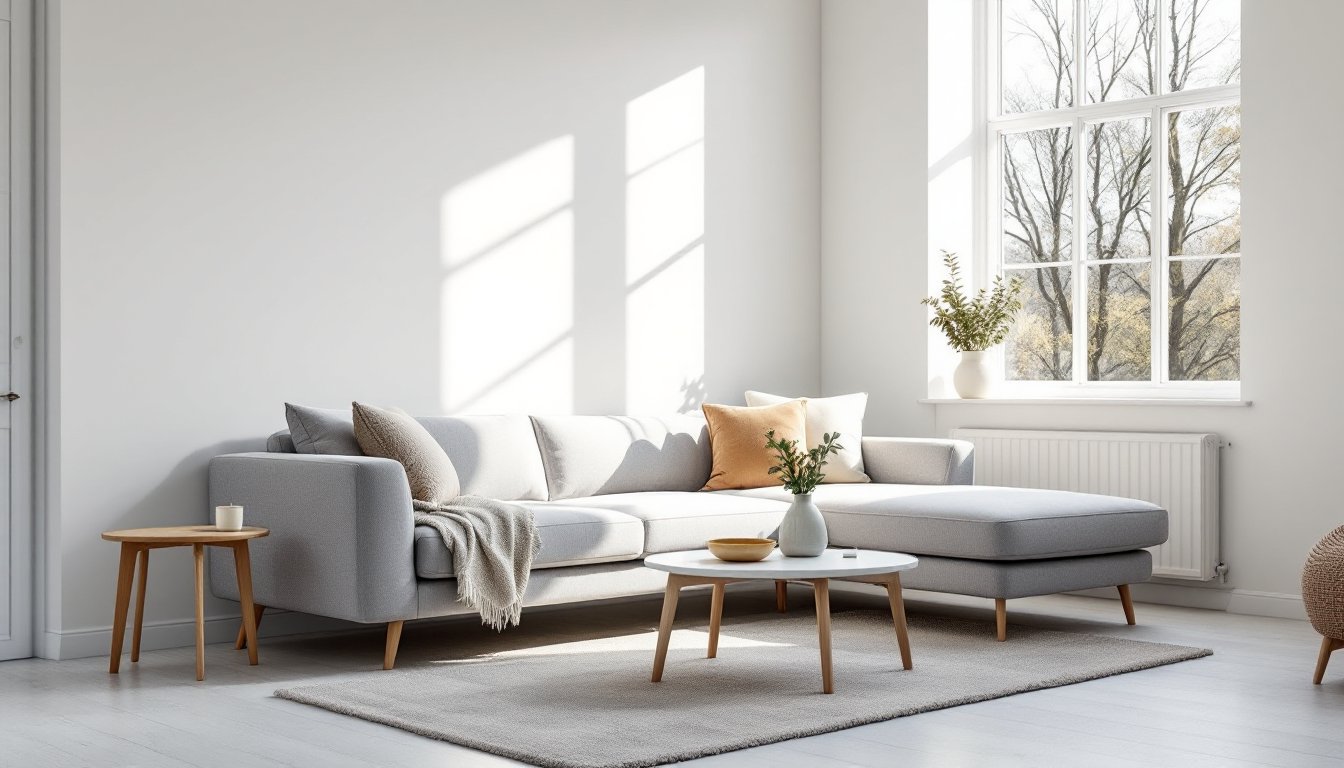
L-shaped sectionals are workhorses in small living rooms. They fit snugly into corners, maximize seating capacity per square foot, and create a natural gathering point. Look for pieces with modular components, ones you can rearrange or even separate if you need flexibility down the road.
For small spaces, aim for a compact L-shaped sectional in the 84–90 inch range rather than the standard 100+ inches. A 36-inch depth is ideal: anything deeper forces you to sit closer to the edge or stretch out across the whole seat, neither of which works well in tight quarters. Measure your corner before shopping: you want at least 18–24 inches of clear space on the long wall after the sectional sits.
Color and leg style matter here. Light gray or cream sectionals feel less imposing than dark leather or deep navy. Sectionals with exposed wooden or metal legs (rather than full skirts) let floor space “breathe.” Interior design resources like Apartment Therapy regularly feature small-space sectional setups, worth browsing for real-world layouts.
One trade-off: sectionals commit your layout. If you rearrange often or live in a rental, a movable loveseat or apartment sofa might serve you better than a fixed corner piece.
Apartment-Friendly Furniture: Loveseats and Compact Sofas
A loveseat is the Swiss Army knife of small living rooms. At roughly 60 inches wide and 32–36 inches deep, it seats two comfortably (or one with sprawl room) and doesn’t hog floor space like a full sofa. Loveseats are also easier to move and reposition if you’re renting or like to refresh your layout seasonally.
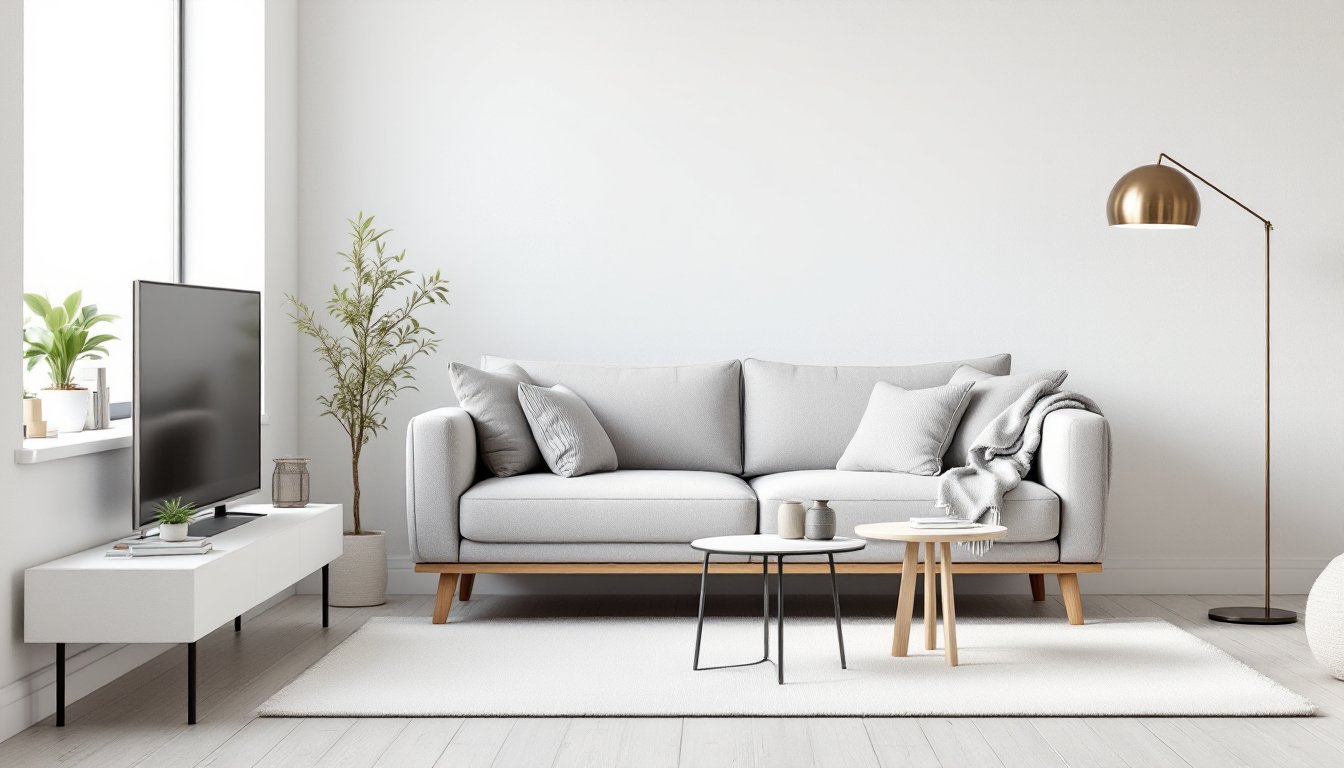
Compact sofas, often labeled “apartment” or “studio” sizes, are slightly wider (around 72–78 inches) but maintain that slim profile. They’re the sweet spot for someone who wants three-person seating without the footprint of a standard 84-inch sofa. A compact sofa works especially well if you’re furnishing a single wide mobile home or other tight floor plan.
When shopping, don’t just eyeball it, check the seat depth (the distance from the backrest to the front edge). A 30-inch depth is shallow and great if you’re shorter or prefer a perched, upright position. A 36-inch depth offers more sprawl but fills more floor area. Measure twice: account for the wall it’ll sit against, the clearance you need to walk past it, and whether your TV or window placement allows for arm space on either side.
Arm height is often overlooked but changes comfort dramatically. Arms around 24–26 inches high suit most bodies: taller arms limit sight lines and make a room feel enclosed. Rolled or low arms take up less visual and physical space than square, high-back designs.
Storage Sofas and Multi-Functional Pieces
In a small living room, every piece of furniture should earn its keep. A storage sofa (one with a hidden compartment under the seat or behind a removable panel) gives you a place to stash blankets, pillows, magazines, or seasonal decor without adding a separate cabinet or ottoman. For renters or anyone dealing with limited closet space, this is a game-changer.
Storage sofas come in loveseat and compact sizes, so you’re not sacrificing the footprint-friendly dimensions you need. Check that the mechanism is solid, lift the seat a few times in the showroom if possible. Cheap hinges stick, and the last thing you want is a sofa you don’t want to open because it’s a pain.
Sofa beds and sleeper sofas are another multi-functional option, though they’re less common in small spaces because they tend to be bulky when extended. If you regularly host overnight guests, a sleeper is practical, but if it’s “just in case,” consider a low-profile guest bed in another room instead.
Futon-style sofas and convertible sectionals (that can be pulled into a daybed configuration) are also worth exploring, especially for studio apartments or open-plan lofts. They’re less common in traditional living rooms but offer flexibility. Test the conversion mechanism before buying, smooth transitions beat clunky, loud setups that’ll annoy you and your neighbors. Resources like Young House Love showcase DIY-friendly convertible furniture solutions that work in tight footprints.
Design Tips: Color, Legs, and Placement Strategies
Color and fabric set the mood and affect how much space a couch appears to occupy. Light, neutral tones (cream, soft gray, warm white, light taupe) make a couch recede visually and feel less bulky. Bold jewel tones or deep charcoal absorb light and anchor a space, great for defining a seating area, but use them sparingly in tight rooms. If you want color, consider it in pillows or throws rather than the main upholstery: swaps are cheaper than reupholstering.
Fabrics matter for durability and feel. In a small living room where you’re sitting closer to other furniture and walls, you’ll notice stains and wear faster. Performance fabrics (specially treated synthetics) resist stains and hold up to frequent use. Leather and leather-look materials wipe clean but can feel cold and show fingerprints. Natural linens and cottons age beautifully but stain more easily.
Exposed legs, wooden, metal, or tapered, create visual lightness by letting floor show underneath. Compare this to a sofa with a full skirt or base: the skirt blocks sightlines and makes the couch feel heavier and more immovable. In a 150-square-foot living room, that visual difference is noticeable.
Placement and arrangement determine how functional your space becomes. Push the couch against the longest wall to maximize floor space for traffic flow. If your room is rectangular and narrow, don’t angle the sofa, it wastes corner area. For floating arrangements (pulling the couch away from the wall), you’ll need at least 5–6 feet of depth behind it for a console table or to walk past. A modern home living room benefits from clean sightlines: couch, coffee table, and TV positioned to define zones without clutter.
Consider what sits beside and behind the couch. Tall floor lamps flanking the arms add coziness without taking table space. Floating shelves above a sofa (for books or living room wall art) use vertical space smartly. Avoid stacking side tables or consoles that’ll crowd circulation.
Conclusion
The best couch for your small living room balances dimensions, style, and functionality. Measure your space honestly, choose pieces with exposed legs and light upholstery when possible, and don’t oversized. Whether you go with a compact loveseat, a clever L-shaped sectional, or a storage sofa, prioritize comfort and traffic flow. Small spaces reward intentional choices, and the right couch makes all the difference.