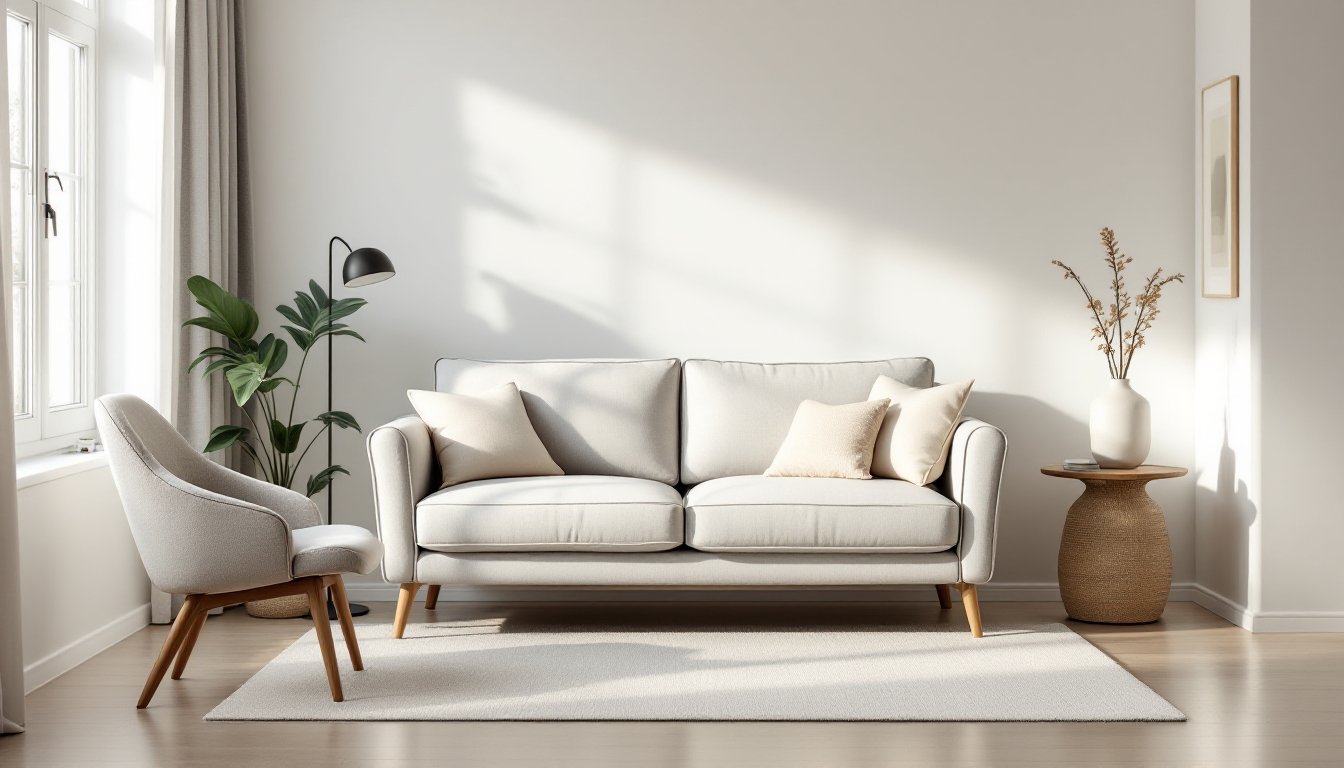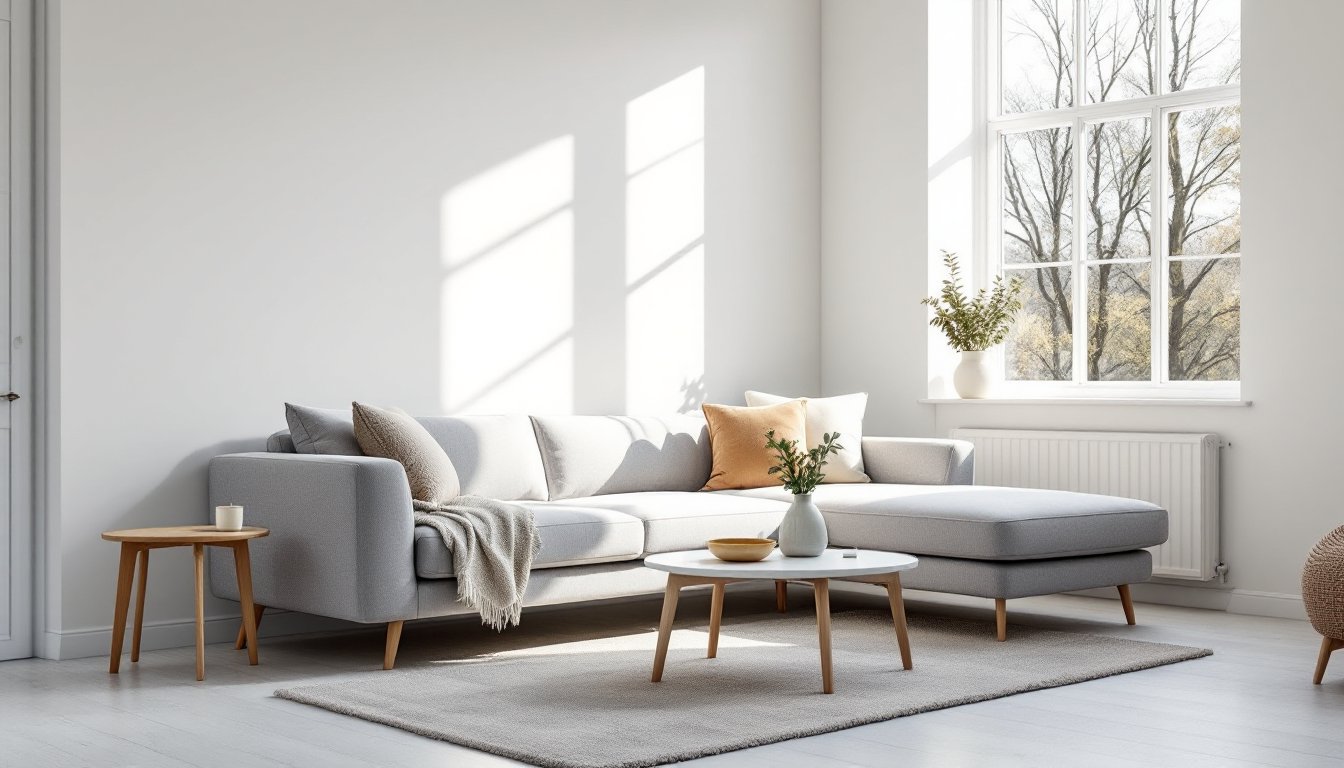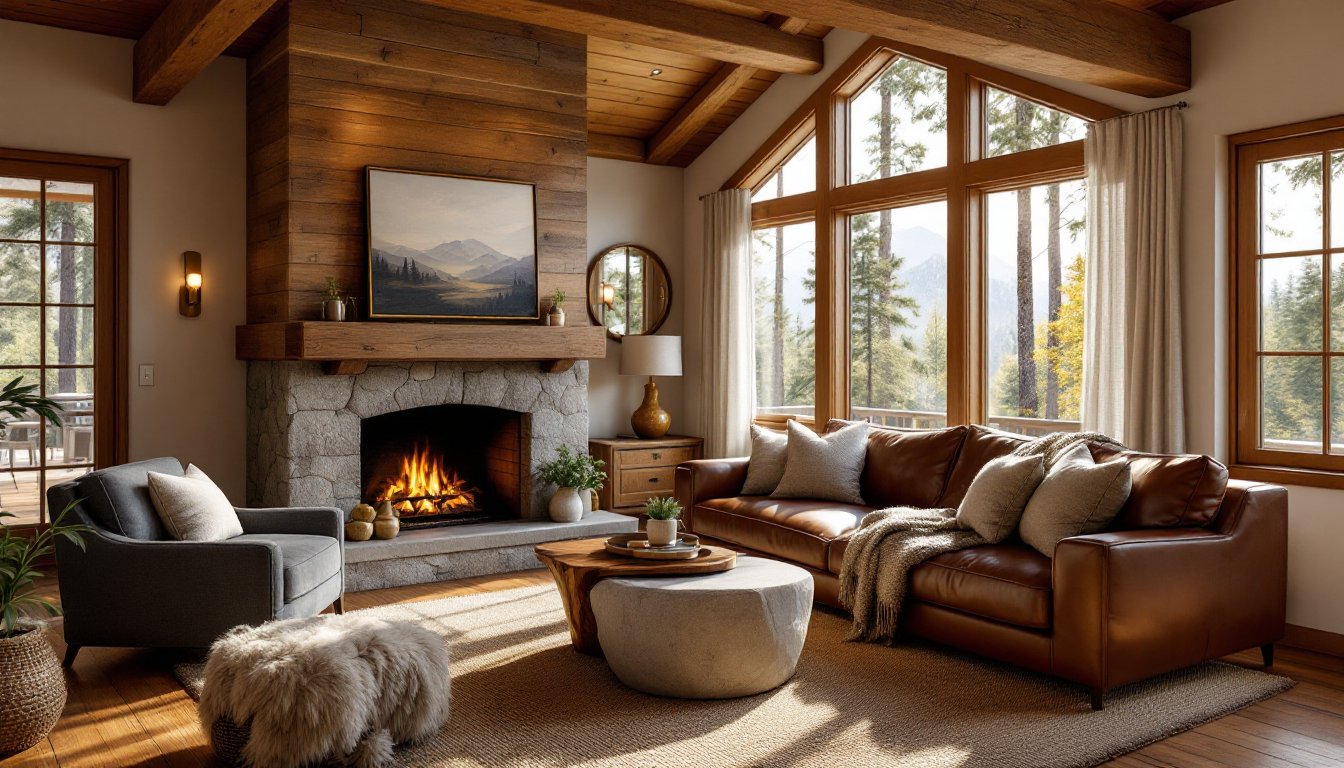
A cabin living room should feel like a retreat, a place where the chaos of everyday life melts away the moment you step inside. Whether your mountain hideaway is a full-time home, a seasonal escape, or a weekend getaway, the living room sets the tone for the entire space. The key is balancing warmth and authenticity without leaning too hard into forced rusticity. This guide walks through eight design approaches that anchor your cabin’s personality while keeping comfort and function front and center. From color choices to furniture layout to the all-important fireplace, we’ll cover the practical decisions that transform a blank cabin shell into a space you actually want to spend time in.
Table of Contents
ToggleKey Takeaways
- Balance warmth and authenticity in cabin living room ideas by using natural base colors like whites and warm grays that let wood tones and natural light dominate the space.
- Invest in a comfortable, high-quality sofa with deep seats and durable upholstery, then layer seating with armchairs and ottomans to create natural conversation zones without cramping the room.
- Create intentional layered lighting with dimmers, recessed fixtures, table lamps, and warm 2700K bulbs to avoid harsh shadows and achieve a cozy evening ambiance.
- Use textiles and natural fibers strategically by mixing throw blankets, pillows, and area rugs in different textures to add personality and comfort without matching-set showroom vibes.
- Position your fireplace as the primary focal point, but establish secondary anchors like large windows framing views or gallery walls to prevent the room from feeling one-dimensional.
- Blur the line between interior and exterior by incorporating locally-sourced artwork, natural objects with restraint, and wood elements that echo your cabin’s specific landscape and setting.
Choosing the Right Color Palette for Cabin Warmth
Color sets the emotional foundation for any cabin living room. Rather than defaulting to dark browns and log-cabin browns, consider layering warm neutrals with accent colors that reflect your surroundings.
Natural whites, warm grays, and soft taupes work as excellent base colors for walls. These act as a backdrop that lets wood tones, stone, and natural light do the heavy lifting. A simple trick: if your cabin has exposed beams or log walls, these become your dominant color anchor, no need to add another heavy tone on top.
Accent colors should feel earned, not forced. Deep forest greens, rust, charcoal, and even muted terracotta work beautifully as secondary tones in textiles, artwork, and trim. The rule of thumb is to pull these accent colors directly from nature you see outside your cabin windows. If you’re surrounded by aspen trees and rocky peaks, cool grays and white work. If pine forests dominate, warmer earth tones complement naturally.
Avoid the trap of making your cabin feel like a novelty shop. One or two accent colors keep the space sophisticated. Bring in these colors through textiles, pillows, and a single feature wall if needed, not through every piece of furniture or artwork.
Essential Furniture for Comfort and Function
Cabin furniture should earn its place through comfort and durability, not decorative quota. A good sofa is non-negotiable, spend the time and budget here. Look for deep seats (at least 24 inches front-to-back), sturdy frames, and upholstery that can handle real use. Leather and performance fabrics resist stains and wear better than delicate linens in a high-traffic space.
Layering seating is crucial. Beyond the main sofa, add one or two comfortable armchairs, a low ottoman, and consider built-in benches along windows if your layout allows. This creates natural conversation zones without cramping the room. Position the largest seating piece to face the fireplace or primary view, that’s the anchor point of your layout.
Storage disguises clutter in ways decorative shelving never will. Built-in cabinetry with open shelving above and closed storage below keeps books, games, and blankets accessible without visual noise. If building new isn’t an option, a large storage trunk or media console can pull double duty.
Wood and Natural Material Pieces
Solid wood furniture ages beautifully and fits a cabin aesthetic without trying. Reclaimed wood coffee tables, walnut end tables, and pine sideboards all work, the key is mixing wood tones rather than matching everything. A lighter oak bookcase next to a darker walnut credenza creates visual interest and depth.
Natural materials beyond wood work equally well. Stone-topped side tables, wrought iron shelving brackets, and leather ottoman bases add texture and durability. You’ll notice log home living rooms often balance heavy wood with lighter-weight textiles and glass, this prevents the space from feeling oppressive. The mix of materials keeps things from reading as a museum of wood.
Lighting That Creates Ambiance
Natural light during the day is a given in most cabins, but evening lighting requires intentional layering. A single overhead fixture won’t cut it, you’ll end up with harsh shadows and a cave-like feeling once the sun drops.
Start with dimmers on primary ceiling fixtures. This gives you flexibility to dial in brightness based on time of day and mood. Add recessed lighting along soffits or ceilings if you have the budget and structural access, this indirect light softens the room without creating hot spots.
Table lamps on end tables and side tables provide task lighting and break up visual monotony. Choose fixtures with natural materials: brass, aged wood, or wrought iron all complement cabin aesthetics. Avoid ornate crystal or ultramodern designs that clash with the rustic base.
String lights or rope lighting along beams or in alcoves add warmth without electricity or installation fuss. These work particularly well in lofted spaces or along cathedral ceilings. The key is warm color temperature, aim for 2700K bulbs rather than cool 4000K, which reads institutional in a cabin setting.
Wall sconces flanking a fireplace or artwork add architectural interest while eliminating the need for additional table lamps. They’re often overlooked but make a measurable difference in how layered and intentional a room feels.
Textiles and Soft Furnishings for Coziness
Textiles are where personality lives in a cabin living room. Layering different textures, wool, linen, cotton, and leather, creates a space that invites you to sit down and stay awhile.
Throw blankets draped over sofas and chairs serve both function and design. Chunky knit wool blankets, linen throws, and faux fur all work depending on your aesthetic direction. Keep them accessible on ottomans or blanket ladders rather than buried in closets, their whole purpose is to be grabbed on a chilly evening.
Pillows provide the easiest way to test color combinations without commitment. Mix solid pillows with subtle patterns: a linen pillow in rust next to a wool herringbone pillow in charcoal, with a solid cream pillow anchoring the group. Avoid matchy-matchy sets: real cabins don’t look like showrooms.
Area rugs define seating zones and add warmth underfoot. Natural fiber rugs (jute, sisal, wool) handle foot traffic and age gracefully. Size matters: a rug should be large enough that at least the front legs of your main seating pieces sit on it, creating visual cohesion. Consider layering a smaller pattern rug over a larger neutral base for added depth.
Curtains and window treatments balance privacy with views. In a cabin, the goal is usually to keep views clear during the day, so light linen panels or motorized shades that pull up during daylight work better than heavy drapes. If you need blackout capability for sleeping or heat control, select a shade mechanism rather than relying on fabric alone. When incorporating these textiles, indoor plants for living rooms placed near windows complement soft furnishings by adding organic texture.
Fireplace and Focal Point Design
A fireplace is the gravitational center of any cabin living room, whether it’s functional or largely symbolic. If you’re building new or renovating, invest in a fireplace insert or wood-burning stove rated for your space’s square footage. These are far more efficient than traditional open hearths and actually heat the room rather than pulling warm air up the chimney.
Surround your fireplace with material that complements but doesn’t compete. Stacked stone, horizontal shiplap, or simple brick all work. The mantel becomes a display surface, keep it minimal with a few meaningful objects rather than crowding it with seasonal decor. One piece of artwork above the mantel, a mirror, or even leaving it bare keeps the focus on the fireplace itself.
Hearth safety is non-negotiable. If you have a wood-burning fireplace, install a proper hearth extension (usually 12-18 inches in front and to the sides). Keep the area clear of furniture, textiles, and debris. Check that your fireplace and chimney are professionally inspected annually, no shortcuts here.
For cabins without existing fireplaces, a stove insert in an existing opening or an electric fireplace stove can provide both warmth and visual anchor. Modern electric units look convincing and require only an outlet.
Beyond the fireplace itself, establish secondary focal points to prevent the room from feeling one-dimensional. A large window framing an exceptional view, a gallery wall of art, or a built-in bookcase can anchor visual interest in other areas of the room.
Bringing the Outdoors In With Decor
The strongest cabin living rooms blur the line between interior and exterior. This doesn’t mean cramming in fishing rods and antler racks, it means thoughtfully incorporating natural elements that echo your cabin’s setting.
Large-scale artwork featuring landscapes, wildlife, or regional imagery works better than generic cabin-themed prints. Commission a local artist or source photographs that are specific to your location. The specificity makes it feel intentional rather than decorative.
Natural objects, driftwood branches in a corner, a collection of smooth stones on a shelf, pressed botanicals in simple frames, add authenticity without looking contrived. The key is restraint: three or four meaningful pieces outweigh a shelf full of random nature finds.
Wood elements beyond furniture work powerfully. Exposed beam work, wooden accent walls, or even a wood ceiling can wrap the room in warmth. If your cabin doesn’t have structural wood, shiplap or reclaimed wood paneling on a single accent wall brings the effect without major renovation. Stained in a warm tone that complements your floor, it reads as architectural rather than added-on.
Live-edge wood shelving or a reclaimed wood mantel pulls directly from natural forms. These pieces are increasingly available from salvage yards or specialty retailers like Country Living, which features rustic home design ideas and regional renovation projects. Pairing these with modern materials, brushed metal hardware, clean-lined frames, prevents the room from feeling stuck in a specific era.
A large window or glass door that frames views is your best decor investment. If structural changes aren’t possible, a well-placed mirror opposite a window bounces light and visually expands the space while reflecting outdoor views.
Final Thoughts: Making It Your Own
Building a cabin living room that actually works requires balancing inspiration with pragmatism. What works on an HGTV set might not suit your lifestyle, climate, or budget, and that’s fine. Start with the fundamentals: a comfortable sofa, functional lighting, and a clear focal point. Layer in textiles and natural elements gradually, living with your choices before committing to the next round of updates.
The best cabin living rooms feel lived-in and personal, not decorated. They reflect the people who use them and the landscape outside the windows. Take time to see what feels right for your space, then commit to it. Your mountain retreat should feel like home, not like a destination resort.