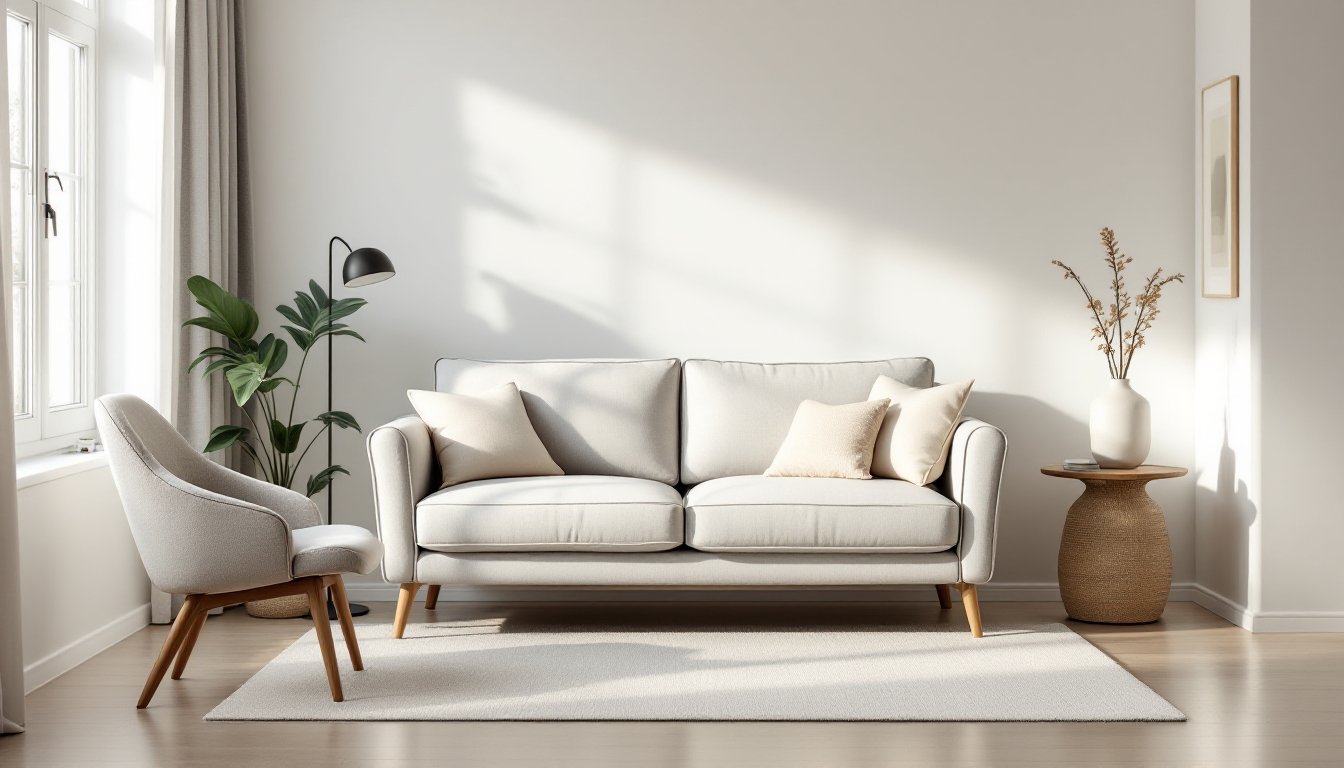
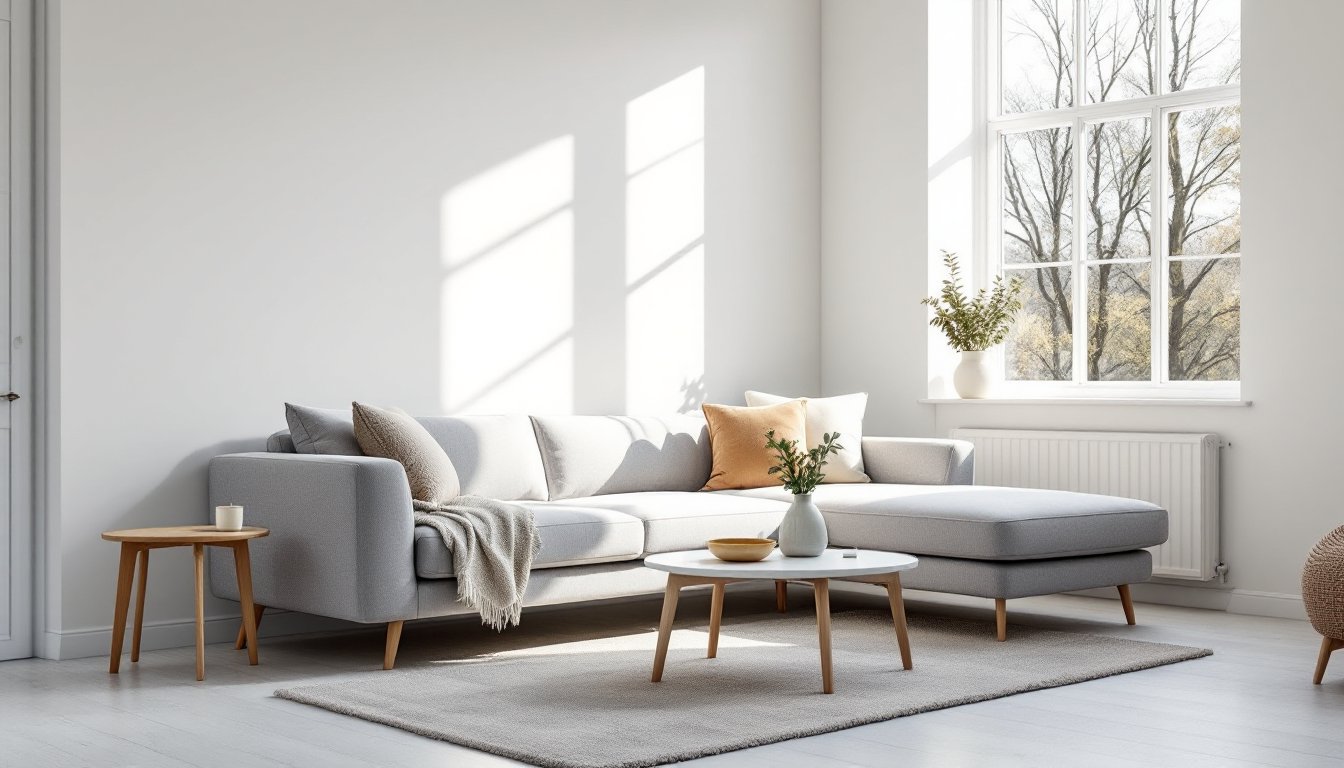
Imagine stepping into a space where nostalgia meets modern flair. The mid-century living room isn’t just a design choice; it’s a vibe that whispers sophistication while winking at the past. With its clean lines, vibrant colors, and iconic furniture, this style invites you to kick back and embrace a world where style never goes out of fashion.
Whether you’re channeling your inner Don Draper or just trying to impress your cat, a mid-century living room transforms everyday life into a stylish affair. From sleek sofas to funky coffee tables, every piece tells a story. So, let’s dive into the charm of mid-century design and discover how to create a living room that’s not just a room but a conversation starter. Who knew retro could feel so fresh?
Table of Contents
ToggleOverview of Mid-Century Living Room
Mid-century living rooms emphasize simplicity, functionality, and style. Characterized by clean lines and organic forms, this design movement originated in the 1940s to the 1960s. Iconic furniture pieces from designers like Charles and Ray Eames or George Nelson define the era.
Natural materials and vibrant colors contribute to the warm and inviting atmosphere throughout these spaces. Upholstered sofas often feature bold fabric patterns alongside sleek wooden accents. Large windows typically maximize natural light, creating an open and airy feel.
Art and decor from this period frequently showcase geometric patterns and abstract designs, adding visual interest to the room. Accessories like vintage lamps or unique wall art can serve as focal points, highlighting the style’s timeless appeal.
Functionality remains at the forefront of mid-century living room design. Multi-purpose furniture allows for flexibility in smaller spaces. Storage solutions often blend seamlessly into the overall aesthetic, maintaining an uncluttered look.
When considering color palettes, earth tones like olive green, burnt orange, and mustard yellow stand out. These hues create a harmonious backdrop against which iconic designs shine. The interplay of textures enhances the sensory experience, inviting relaxation and conversation.
By incorporating mid-century elements, individuals can transform their living spaces into stylish yet comfortable environments. Whether using retro pieces or modern interpretations, this design style effortlessly merges nostalgia with contemporary living.
Key Characteristics of Mid-Century Design
Mid-century design stands out for its emphasis on simplicity and functionality. This style blends comfort with aesthetic appeal, creating a unique living environment.
Furniture Styles
Furniture styles define mid-century design, focusing on clean lines and organic forms. Iconic pieces from designers like Charles and Ray Eames and George Nelson showcase geometric shapes and innovative materials. Lounge chairs with tapered legs and sofas with low profiles create inviting seating arrangements. Multi-functional furniture, such as side tables and storage units, maximizes space while offering practicality. Often made of wood or molded plastic, these pieces highlight the era’s commitment to craftsmanship and quality.
Color Palettes
Color palettes in mid-century living rooms embrace earth tones and vibrant accents. Olive green, burnt orange, and mustard yellow complement neutral backgrounds, adding warmth and life to spaces. Bold patterns often appear in textiles, creating visual interest without overwhelming the room. Accent pieces, like cushions and rugs, bring additional pops of color, enhancing the overall aesthetic. This balance between subtlety and vibrancy ensures a harmonious atmosphere, making mid-century design both timeless and inviting.
Essential Elements of a Mid-Century Living Room
Mid-century living rooms showcase essential elements that create their distinct charm and functionality. A focus on design principles enhances comfort while maintaining aesthetics.
Layout and Space Utilization
Efficient layouts form the backbone of mid-century living rooms. Open spaces promote flow and engagement while maximizing natural light. Furniture arrangement centers around conversation areas, often placing sofas and chairs towards each other. A balance between intimacy and openness enhances the overall atmosphere. Multi-functional furniture pieces, like ottomans or coffee tables with storage, provide practicality without cluttering. With fewer items in the space, the design remains clean and sophisticated. Rug placement defines zones, adding warmth and texture to the room.
Lighting Fixtures
Lighting fixtures play a crucial role in mid-century design. Iconic floor lamps and pendant lights reflect the era’s unique style. For instance, starburst chandeliers create a focal point, while table lamps add warmth to side tables. Natural light sources, like large windows, enhance the overall ambiance. Combining different light sources achieves an inviting glow, making spaces feel more expansive. Designers often incorporate bold colors and geometric shapes in fixtures, reinforcing the mid-century aesthetic. Dimmers can control brightness, allowing for versatility in mood and setting.
Incorporating Mid-Century Decor
Mid-century decor offers a unique blend of aesthetics and functionality. Homeowners can effortlessly incorporate this design style into their living spaces.
Artwork and Accessories
Geometric patterns and abstract designs often define mid-century artwork. Iconic prints or original pieces bring vibrancy to walls. Vintage lamps serve not only as lighting but also as eye-catching focal points. Accessories crafted from natural materials enhance the warmth of the space. Retro clocks and sculptural pieces add character, creating an inviting atmosphere. Incorporating these elements reflects an appreciation for craftsmanship and design.
Textiles and Fabrics
Bold fabric patterns play a crucial role in mid-century decor. Cushions featuring colorful prints soften furniture while adding visual interest. Rugs made from natural fibers provide comfort and warmth underfoot. Draperies in earth tones or vibrant accents complement other design elements. Mixing textures, like velvet and linen, enhances the tactile quality of the space. It’s vital to balance patterns and colors to create a harmonious living area. Through careful selection of textiles, an inviting and cohesive mid-century look emerges.