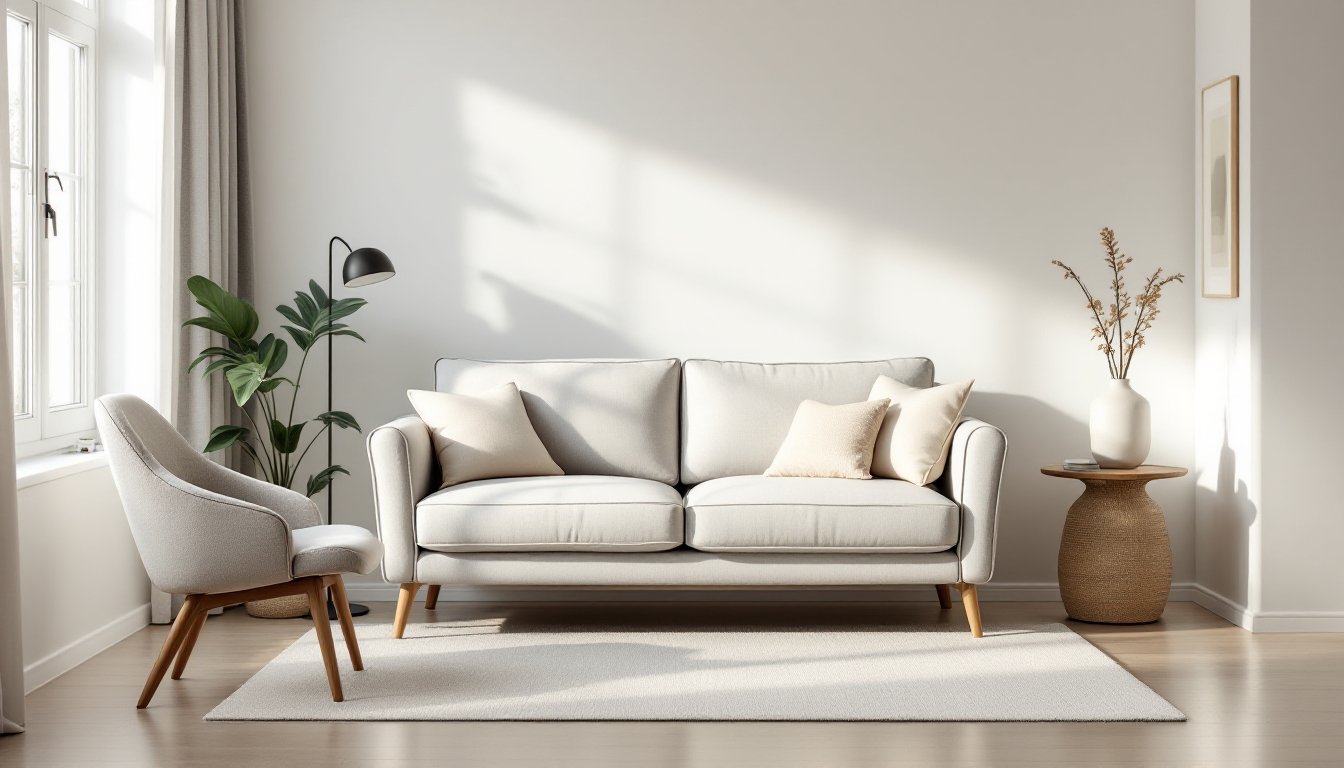
Rug placement in a small living room isn’t just about dropping a floor covering down and calling it done. The right rug, positioned thoughtfully, can anchor furniture, define zones, and make the whole room feel intentional and put-together. A poorly sized or misplaced rug, on the other hand, chops up the space visually and makes things feel cramped. Whether you’re working with 150 square feet or 300, the strategy stays the same: measure first, choose a size that works with your layout, and use color and placement to enhance flow rather than fight against it. This guide walks through practical steps to get rug placement right the first time.
Table of Contents
ToggleKey Takeaways
- Measure your living room layout and traffic patterns before buying a rug to ensure proper small living room rug placement and avoid cramped or awkward furniture arrangements.
- Choose a rug size of 5×8, 6×9, or 8×10 feet in rectangular shape, and anchor at least the front legs of your sofa and armchairs on the rug to create a unified seating zone.
- Use lighter colors and subtle patterns to make a small living room feel larger, and reserve bold, dark rugs for spaces where you want to add intentional visual weight.
- Layer a smaller patterned rug (5×7) on top of a larger neutral base (8×10) to add depth and curated polish without consuming extra floor space.
- Confirm the return window when ordering online and request fabric samples to see how the rug actually looks in your lighting and with your existing furniture before committing.
Measure Your Space Before Buying
Before you fall in love with a rug pattern online, pull out a measuring tape and sketch your living room layout on graph paper, or snap a photo and use a smartphone measuring app. Measure the distance from the back of your sofa to the TV or focal point, the width of your seating area, and the depth from the front edge of the room to the back wall.
This isn’t overkill. Small living rooms have zero margin for error. A rug that’s one foot too wide will make furniture awkward to arrange. A rug that’s too short will leave your feet on bare floor when you sit down, breaking the visual anchor. Standard small-room dimensions typically run 8×10 feet or smaller, but your specific layout determines what actually works.
Also consider traffic patterns. Measure where people naturally walk from the entry to the kitchen, bedroom, or other rooms. A high-traffic path should have at least a few inches of exposed floor on either side, this prevents tripping hazards and keeps the rug from getting pinched under furniture legs. If your living room doubles as a walkway, that changes your rug size and placement strategy entirely.
Choose the Right Rug Size and Shape
Standard Dimensions for Small Rooms
For small living rooms, the most common working sizes are 5×8 feet, 6×9 feet, and 8×10 feet. A 5×8 is tight, it works best if your seating is tightly clustered or if you’re using it to define just the front half of the room. A 6×9 is the sweet spot for many small spaces. An 8×10 works only if your living room is genuinely spacious relative to its footprint.
The shape matters too. Rectangular rugs suit most living rooms and sit naturally under standard furniture arrangements. Round rugs can work in a small space to soften hard angles, but they require specific furniture placement and often feel quirky unless your room layout naturally calls for it. Runner rugs (long and narrow) are best reserved for hallways, not living rooms, they emphasize length in a cramped space.
One practical tip: when you order a rug online, confirm the return window. Many vendors offer 30 to 60 days, which gives you time to see how a rug actually looks in your light and with your furniture before the final commitment. Interior design inspiration from living room wall art often overlooks the role of rugs, but a rug is fundamentally a large visual anchor that ties everything together.
Anchor Your Furniture with Rug Placement
Creating Visual Balance and Flow
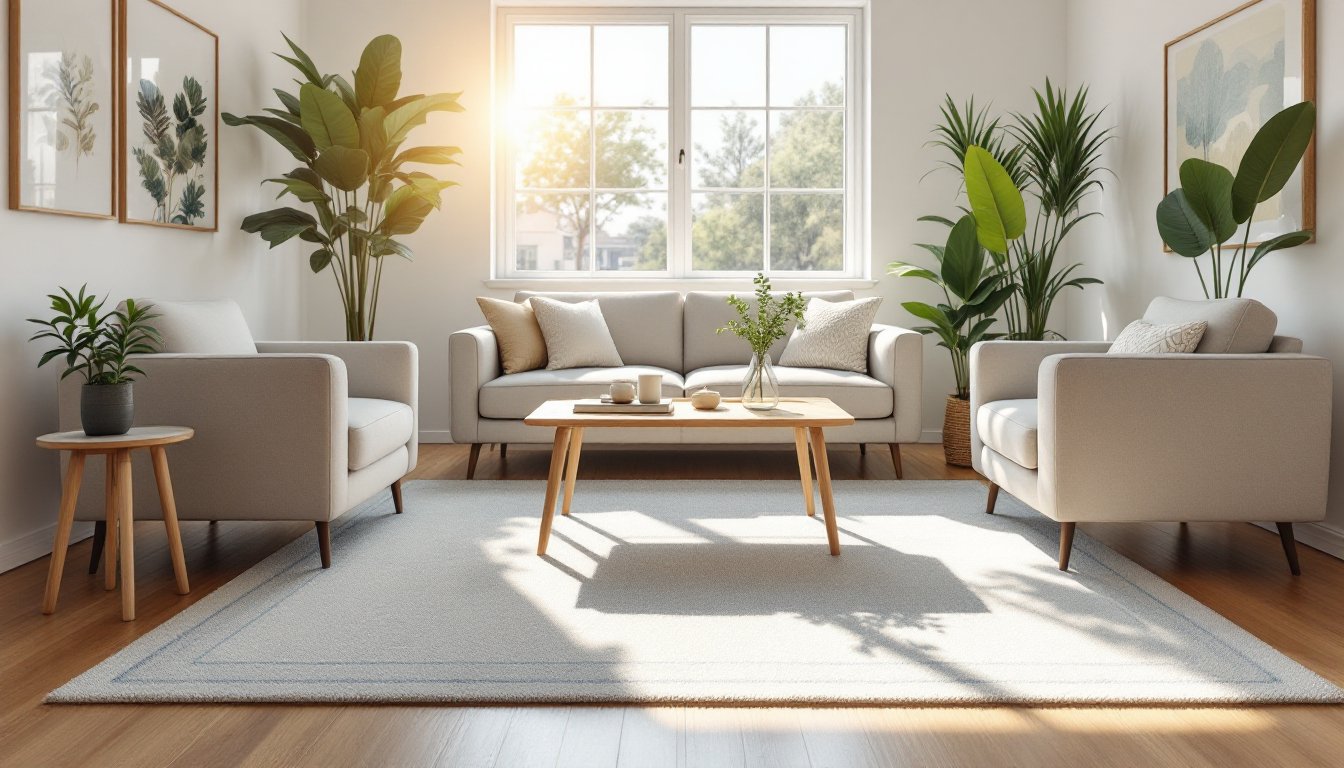
The most common small-room rug mistake is centering it perfectly in the room, leaving dead space around the edges. Instead, anchor your rug to your seating arrangement. Here’s the practical rule: at least the front legs of your sofa and armchair(s) should sit on the rug. If you have a coffee table, it should sit fully on the rug or at least have its front two legs on it.
This creates a visual “room within a room”, a cohesive seating zone that feels complete. When furniture floats randomly around bare floor, the space feels scattered and smaller than it actually is. The rug pulls everything into a defined conversation area.
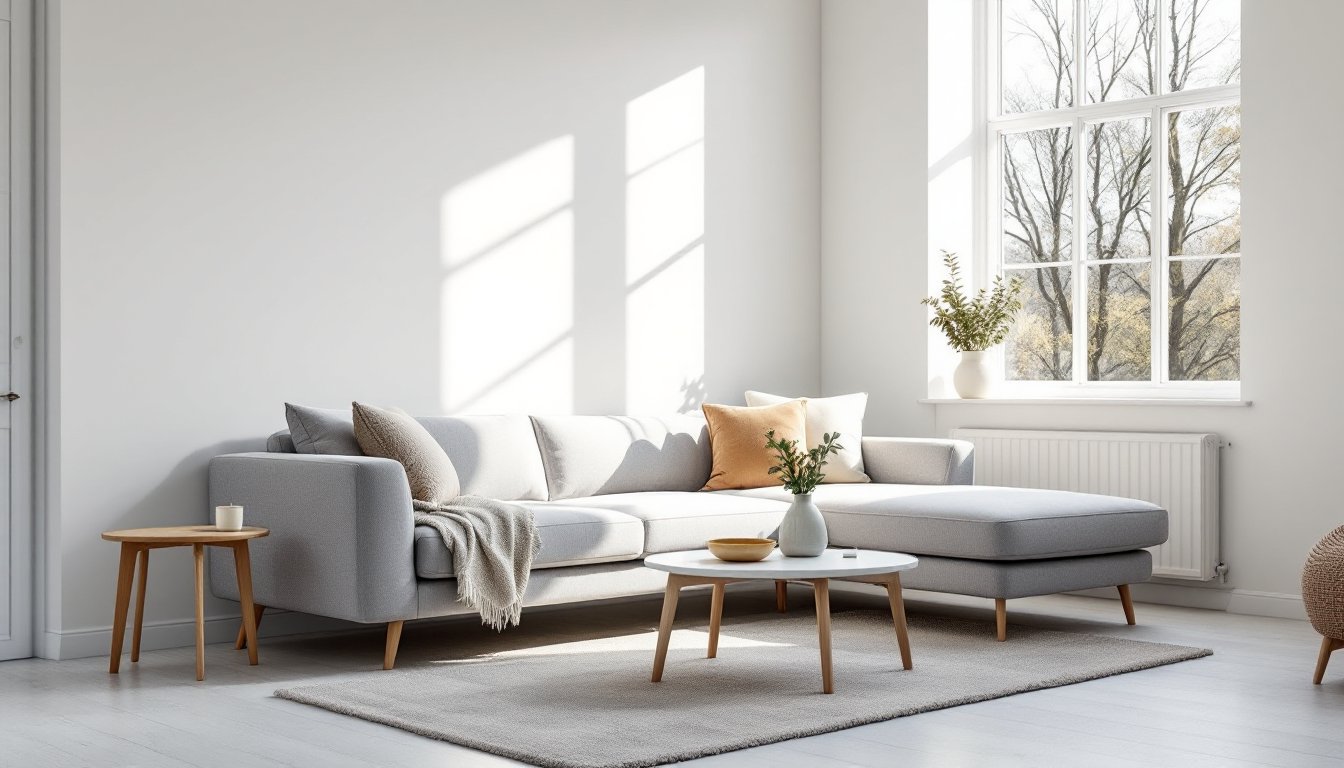
For an L-shaped or corner sectional, float the rug under the corner and ensure the rug extends at least 18 inches in front of the longest seat. If your living room includes a console table behind the sofa (a common small-space move), the rug should extend under the front legs of that table too. This intentional placement signals to the eye that the room is organized, which makes it feel larger. tiny home living rooms for specific examples of how professional designers solve these anchoring challenges in tight quarters.
Use Color and Pattern Strategically
In a small living room, color and pattern choice can either expand or contract the perceived space. Lighter rugs (cream, gray, soft blue) and subtle patterns visually recede, making the room feel larger. Bold, dark rugs and large geometric prints advance visually, drawing the eye down and potentially making the space feel more enclosed.
That doesn’t mean you must choose a beige rug. If your seating is neutral, a rug with accent color can become the room’s color statement, it just shouldn’t compete with wall color or dominant furniture pieces. If your sofa is patterned, a solid or tonal rug keeps things balanced. If your sofa is solid, a patterned rug adds visual interest without overwhelming the space.
Consider how light moves across your living room at different times of day. A rug that looks one way in afternoon sun may appear quite different in evening lamplight. If you’re ordering online, order samples when possible, many vendors send small swatches of the actual rug material, not just color charts. Indoor plants for living room add softness to a space, and a thoughtful rug color should harmonize with that greenery and your overall palette.
Layering Rugs for Depth and Interest
Layering rugs, placing a smaller, patterned rug on top of a larger solid one, creates depth and visual interest in small rooms without taking up extra square footage. This technique works best with a 8×10 solid base (usually neutral) topped with a 5×7 patterned piece. The smaller rug sits centered, typically under a coffee table and part of the seating area.
Layering works particularly well if your living room has minimal wall space for art or if you want to add color without repainting. A patterned or textured top rug becomes a focal point, and the layering effect makes the space feel more curated and intentional. Just make sure both rugs are low-pile or flatweave where they overlap, stacking thick rugs creates a tripping hazard and looks clunky.
Material pairing matters too. Wool or natural fiber (jute, sisal) works as a stable base. The top rug can be wool, cotton, or even a vintage piece if you find one. Avoid layering a synthetic rubber-back rug on top of another rug with a slippery back, the top layer will slide around. According to design experts at House Beautiful, layering is a professional technique that instantly elevates a room’s polish and makes small spaces feel more designed. Model home living rooms often showcase layering as a way to add richness without clutter.