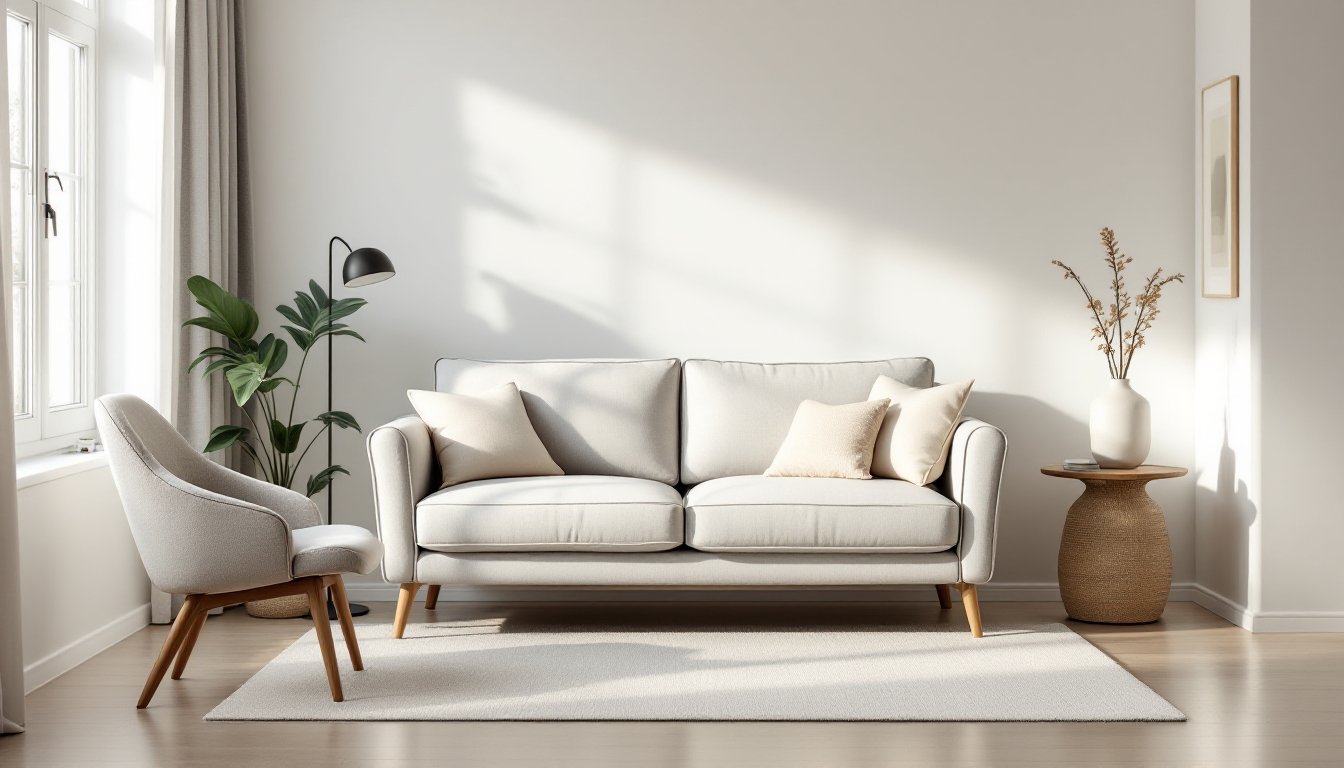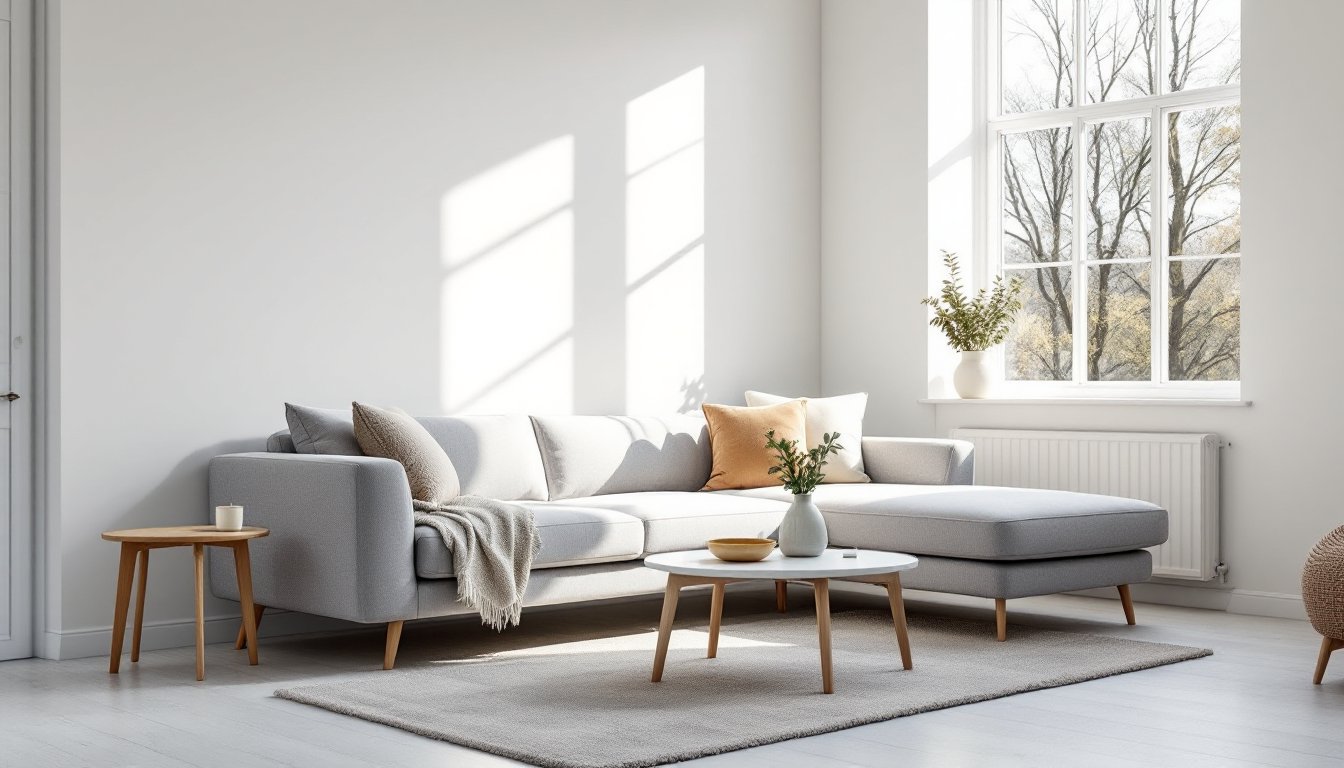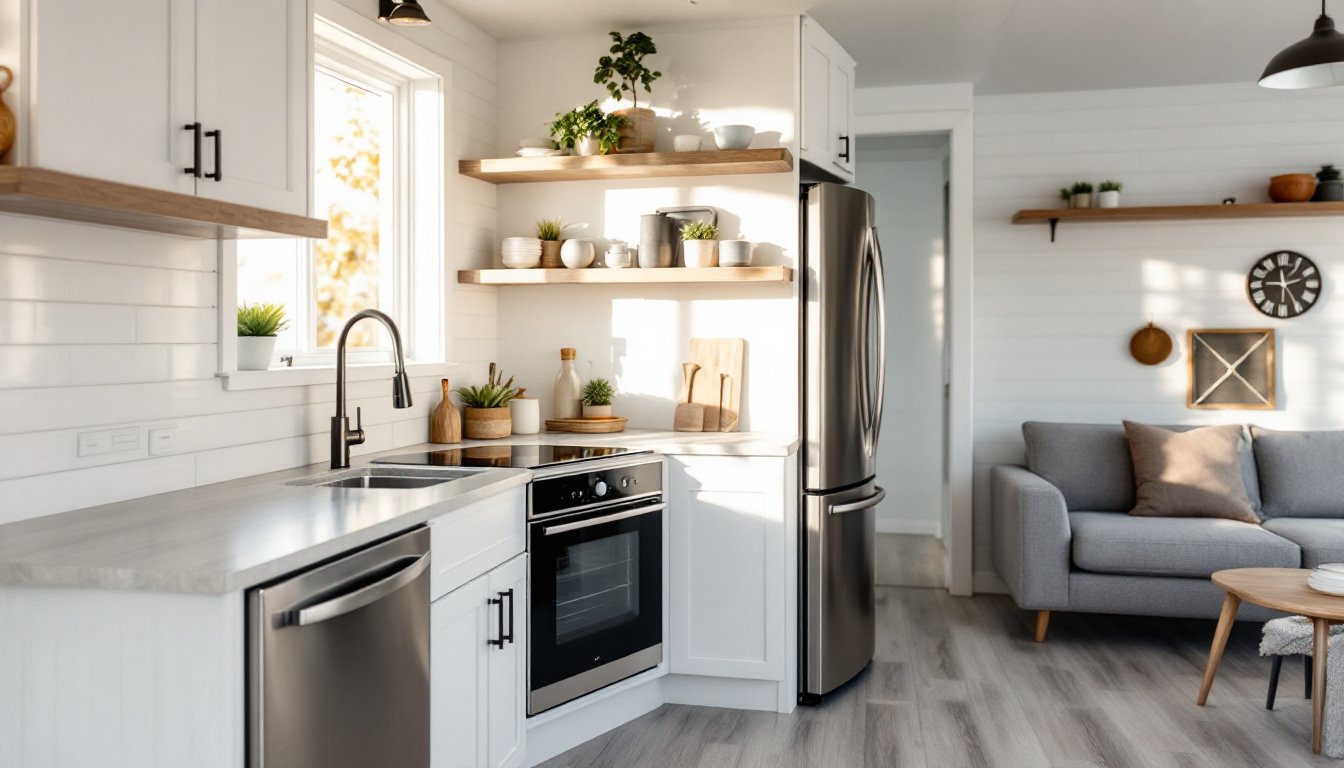
Living in a compact home doesn’t mean settling for cramped kitchens or furniture that eats up floor space. Tiny home appliances and furniture designed for small spaces have evolved significantly, offering real functionality without sacrificing square footage. Whether you’re downsizing intentionally, renting a studio, or simply want to optimize your current home, the right mix of right-sized appliances and multi-functional pieces transforms what feels like a limitation into an advantage. This guide walks you through the best options available in 2026, from countertop solutions to space-smart seating that actually works.
Table of Contents
ToggleKey Takeaways
- Tiny home appliances and furniture are engineered solutions, not compromises—compact refrigerators, induction cooktops, and multi-functional pieces maintain full functionality while freeing up crucial square footage.
- Space-saving kitchen appliances like 2.4–3.5 cu. ft. refrigerators ($200–400), 2-burner induction cooktops ($40–80), and combination microwave-convection ovens ($200–400) eliminate the need for oversized equipment that consumes 20–25% of kitchen space.
- Multi-functional furniture such as storage ottomans, sofa beds, nesting tables, and wall-mounted fold-down desks dramatically improve livability by serving dual or triple purposes while reclaiming floor space.
- Vertical storage solutions—floating shelves, under-bed containers, and over-the-door organizers—prevent clutter and are non-negotiable in tiny homes, costing as little as $15–80 per unit.
- Smart appliances reduce the need for single-purpose kitchen gadgets by combining features into one device, saving both money and counterspace over time without requiring additional square footage.
- Proper furniture sizing, leg clearance, and height variation transform compact rooms; measure layouts beforehand and prioritize quality right-sized pieces for your highest-priority needs (cooking, sleeping, working).
Why Tiny Appliances and Furniture Matter for Small Living
Standard-sized appliances and oversized furniture are practical mistakes in small spaces. A full-size refrigerator consumes 20–25% of a compact kitchen’s counter or floor space: a king bed can leave a bedroom with barely enough room to open a dresser. Tiny home appliances and furniture aren’t compromises, they’re engineered solutions.
The key difference lies in intentional design. Compact appliances maintain core functionality while shedding unnecessary bulk. A 2.4 cu. ft. refrigerator cools as effectively as a 25 cu. ft. model for one or two people: it just eliminates wasted air circulation. Similarly, furniture designed for small spaces often incorporates hidden storage, fold-away extensions, or dual-purpose mechanisms that standard pieces ignore.
Space efficiency directly impacts quality of life. When your kitchen doesn’t feel cramped, cooking becomes enjoyable rather than frustrating. When your living area flows naturally, you actually use the space instead of avoiding it. Selecting appropriately scaled pieces and appliances is the foundation of functional tiny home living.
Space-Saving Kitchen Appliances That Don’t Compromise Functionality
The kitchen is where tiny home appliances make the biggest impact. Countertop space is precious, and every item should earn its footprint.
Compact refrigerators in the 2.4–3.5 cu. ft. range handle daily needs for individuals or couples. Models like Midea compact units or Danby options maintain consistent cooling and often include a freezer compartment. They’re roughly 17–24 inches wide, so they fit standard apartment-sized kitchens. Expect to pay $200–400 depending on features: budget models sacrifice ice-makers and through-the-door dispensers, which actually saves space.
Induction cooktops occupy minimal counter real estate compared to traditional stoves. A 2-burner induction cooktop (roughly 12 inches wide) heats faster than electric coils and cleans easily. Units like the Secura or Duxtop brands run $40–80: they’re portable, so you reclaim counter space when not cooking.
Combination microwave-convection ovens merge two appliances into one. These units bake, roast, and reheat, eliminating the need for a separate conventional oven, a major space saver. Expect $200–400 and a footprint of approximately 20 x 16 inches. They’re slower than full ovens but perfectly adequate for two people.
Slim dishwashers (18 inches wide instead of standard 24-inch) or portable models with hose connections work in tight layouts. Modern compact dishwashers run quiet cycles and include fold-down racks: $300–600 gets a reliable unit. Many tiny home dwellers skip the dishwasher entirely and use a compact dish-drying rack instead, less plumbing, zero counter clutter when closed.
Multi-Functional Furniture for Tiny Homes
Furniture with hidden utility separates thriving small spaces from cramped ones. Look for pieces that serve dual or triple purposes.
Storage ottomans function as seating, footrests, and concealed storage for blankets, books, or seasonal items. Quality models are sturdy enough to support a person sitting comfortably. Expect to spend $150–300 for solid construction that won’t sag after a year.
Sofa beds or sleeper sofas eliminate the need for both a couch and a guest bed. Modern versions fold down smoothly without the bulky mechanisms of older models. Tiny Home Living Rooms: explores this in detail. Prices range $400–900 depending on quality and mattress type. Memory foam and innerspring options both work: test the fold-down action in person to ensure it’s not a hassle.
Nesting tables provide surface space when needed and collapse for floor clearance. A set of two or three takes up the footprint of one standard end table but offers flexible surface area for laptops, drinks, or hobbies. Budget $60–150 for stable wood or metal sets.
Wall-mounted fold-down desks attach to studs and hold 75–100 lbs. when properly installed. When folded up, they reclaim 6–8 square feet of floor space. Decorating Ideas for Mobile discusses integrating such pieces into existing layouts. Installation requires a stud finder, 1.5-inch wood screws, and a drill: $50–150 covers a decent unit.
Storage Solutions and Hidden Organization Options
Tiny homes fail when clutter wins. Strategic storage prevents this.
Vertical shelving is non-negotiable. Wall-mounted shelves (24–36 inches wide) don’t consume floor space and display both function and style. Floating shelves run $30–80 per unit: install them at studs with toggle bolts or lag screws rated for your total load. A typical 36-inch floating shelf safely holds 25–50 lbs. depending on mounting.
Under-bed storage containers on wheels slide in and out easily, hiding out-of-season clothing, bedding, or keepsakes. Low-profile designs fit under modern platform beds: expect $40–100 for a durable set of two or three.
Cabinet organizers and drawer dividers prevent wasted space inside existing storage. Vertical dividers in kitchen cabinets allow you to see every item without stacking: lazy Susans in corner cabinets eliminate the “black hole” problem. These cost $20–60 and take an afternoon to install.
Over-the-door organizers hang on existing doors and hold shoes, cleaning supplies, pantry items, or small tools without taking up shelf or floor space. Fabric or wire versions cost $15–40. Home Appliances Archives – Oatcakeday covers appliance-specific storage strategies for keeping countertops clear.
Smart Appliances for Small Kitchens
Smart appliances don’t require more space, they just perform smarter.
WiFi-enabled compact refrigerators let you check temperatures and door-open alerts via smartphone, useful if you’re away from home. Expect to pay $100–200 more than non-smart models: this feature matters most in rentals where you can’t control ambient temperature well.
Smart rice cookers and pressure cookers (like Instant Pot Smart models) combine steaming, slow-cooking, and pressure-cooking in a single 6–8 quart vessel. WiFi control means you can start cooking from your phone. These replace a countertop rice maker, slow cooker, and pressure cooker, genuine space savings. Budget $100–150.
Smart WiFi scales sync with nutrition apps and take up minimal counter space, roughly 8 x 8 inches. They’re useful in tiny kitchens where portion control matters. Cost $40–80.
Home Technology Gadgets: Revolutionizing goes deeper into how smart devices integrate with compact living. The real advantage isn’t flashiness, it’s reducing the need for separate single-purpose appliances, which saves both money and space over time.
Choosing the Right Scale: Furniture Sizing for Compact Living
Undersized furniture might seem awkward, but it’s not. A 48-inch sofa (instead of standard 84-inch) fits comfortably in a 10 x 12 living room. A 30-inch dining table seats two with breathing room and doesn’t monopolize the kitchen. The trick is avoiding gigantism, not embracing doll-house proportions.
Measure twice, buy once. Account for door swing, traffic flow, and wall outlets when placing furniture. A 36-inch-wide sofa that blocks access to your kitchen defeats the purpose. Sketch the layout beforehand, marking door swings, windows, and appliance locations.
Leg clearance matters. Furniture with open legs (not skirted) creates visual space and lets you see floor area. A coffee table on tapered legs feels lighter than one with a full base. Kitchen Appliances: Discover Must-Have addresses how open-design kitchen layouts complement scaled furniture.
Height variation is your friend. Mix tall shelving with low seating to avoid a monotonous “box” feeling. A tall, narrow bookcase uses minimal floor space while providing substantial storage. Low-profile beds and sofas amplify the perceived ceiling height, making compact rooms feel airier.
Buy secondhand for big pieces. Young House Love and Good Housekeeping both publish guides on identifying quality used furniture. Facebook Marketplace and Craigslist let you preview items before buying, and you save 30–50% over retail. For appliances, certified refurbished models from authorized retailers carry warranties and cost $100–300 less than new.
Conclusion
Tiny home appliances and furniture aren’t compromises, they’re purposeful designs that maximize the space you have. Start by identifying your highest-priority needs (cooking, sleeping, working) and invest in quality, right-sized solutions for those first. Layer in storage organizers and multi-functional pieces as your budget allows. A thoughtfully equipped small home outperforms a sprawling house with mismatched furnishings. The payoff is a space that actually works for you, not against you.