
As we age, life can feel like a dizzying ride on a merry-go-round—especially when vertigo crashes the party. For many elderly individuals, this unsettling sensation can turn simple activities into a balancing act worthy of a circus performance. But what really causes this spinning sensation that leaves them feeling like they’re auditioning for a role in a horror movie?
Understanding the root causes of vertigo in seniors is essential for maintaining their quality of life. From inner ear issues to medication side effects, the reasons can be as varied as the number of cat videos online. By unraveling the mysteries behind this common complaint, families can help their loved ones regain stability and confidence, turning that unwanted spin into a graceful twirl.
Understanding Vertigo
Vertigo in the elderly often stems from various physiological and medical factors. Inner ear disorders frequently cause sensations of spinning, which may include benign paroxysmal positional vertigo (BPPV) and vestibular neuritis. Commonly, BPPV occurs when tiny calcium particles build up in the inner ear. Vestibular neuritis results from inflammation of the inner ear, disrupting balance.
Medications also contribute significantly to vertigo. Many elderly individuals take multiple prescriptions, with some having side effects that impact balance. Blood pressure medications and sedatives often lead to dizziness, complicating the overall picture.
Health conditions like diabetes and cardiovascular disease exacerbate risks. Diabetes can affect nerve function, while cardiovascular issues might reduce blood flow to the inner ear, triggering vertigo episodes. Notably, dehydration can also play a role in causing dizziness, particularly among older adults prone to fluid imbalance.
Injury or trauma to the head can result in sudden bouts of vertigo. A fall or accident might damage structures within the inner ear, leading to persistent symptoms. Anxiety and stress may amplify these experiences, making it crucial to recognize the psychological factors affecting balance.
Understanding these causes allows families to assist their elderly loved ones effectively. Recognizing the specific type of vertigo helps in identifying suitable treatments or lifestyle adjustments. Consulting healthcare professionals can provide further insight, enabling better management of symptoms.
Common Causes of Vertigo in Elderly
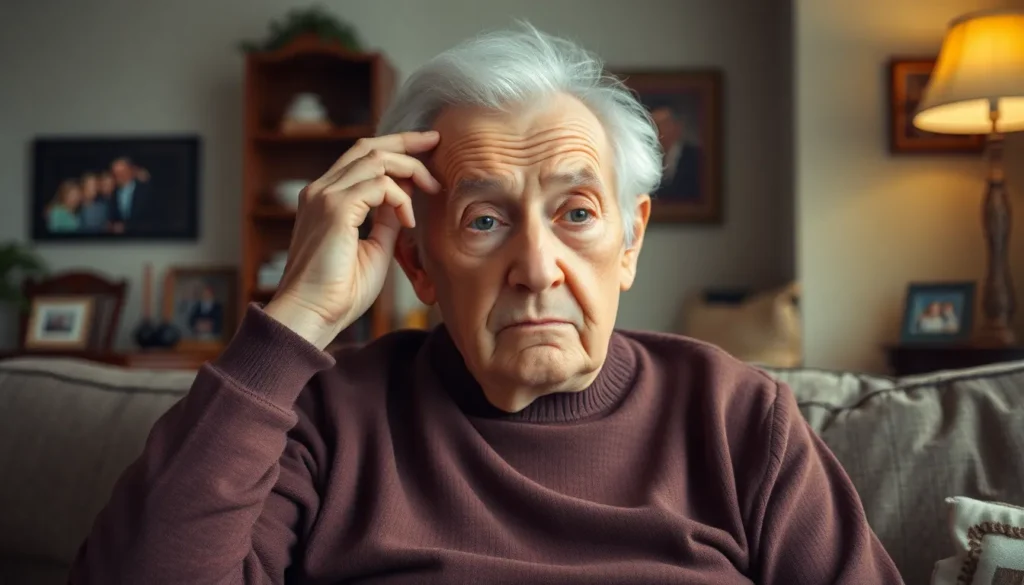
Understanding the causes of vertigo in elderly individuals is essential for effective management and treatment. Various factors contribute to this condition.
Benign Paroxysmal Positional Vertigo (BPPV)
BPPV is a leading cause of vertigo, particularly in older adults. This condition arises when tiny calcium particles cluster in the inner ear. Symptoms typically occur with specific head movements, resulting in a sudden sensation of spinning. Episodes may last a few seconds to a minute and can be triggered by changes in position, such as rolling over in bed. BPPV can often be treated through maneuvers that reposition these particles, making it crucial for elderly individuals to recognize the symptoms.
Vestibular Neuritis
Vestibular neuritis occurs due to inflammation of the vestibular nerve, typically following a viral infection. This inflammation disrupts signals from the inner ear to the brain, causing intense dizziness and balance issues. Unlike BPPV, symptoms can persist for several days without positional triggers. Patients often experience nausea, difficulty with balance, and a sense of motion even when still. Timely consultation with healthcare providers can facilitate proper management and recovery from vestibular neuritis.
Meniere’s Disease
Meniere’s disease is characterized by recurring episodes of vertigo, tinnitus, and hearing loss. Attacks can last from 20 minutes to several hours and may be accompanied by ear fullness. The underlying cause is associated with abnormal fluid accumulation in the inner ear. People may experience significant anxiety due to the unpredictable nature of the episodes. Lifestyle changes and medication can help manage symptoms, making it vital for individuals to seek medical advice for effective strategies.
Medication Side Effects
Medication side effects often complicate the experience of vertigo in elderly individuals. Common culprits include blood pressure medications, sedatives, and certain antidepressants that can cause dizziness or balance issues. Polypharmacy, the simultaneous use of multiple medications, can increase the risk of these side effects. It is essential for individuals to communicate any new symptoms to their healthcare providers to adjust medications accordingly. Regular reviews of prescriptions can aid in minimizing unwanted effects and improving overall well-being.
Risk Factors for Vertigo in Elderly
Various factors contribute to vertigo in elderly individuals, emphasizing the need for awareness and prevention strategies.
Age-Related Changes
As individuals age, bodily functions may undergo natural changes. Age often leads to a decrease in inner ear function, impacting balance. The inner ear structures can become less efficient, increasing the susceptibility to conditions like BPPV. Additionally, vestibular system sensitivity may decline, exacerbating dizziness symptoms. Such changes make recognition of vertigo crucial for effective management.
Comorbidities
Multiple health conditions frequently impact older adults, increasing the likelihood of experiencing vertigo. Diabetes can damage nerves and disrupt balance, while cardiovascular diseases affect blood flow to the inner ear. Conditions like arthritis may limit physical activity, contributing to muscle weakening and imbalance. Each comorbidity adds a layer of complexity to the management of vertigo. Understanding these interconnections is essential for providing effective care.
Lifestyle Factors
Lifestyle choices significantly influence the risk of vertigo. Dehydration from inadequate fluid intake is common among older adults, leading to dizziness. Sedentary habits may diminish strength and coordination, further complicating balance issues. Poor nutrition can also play a role, as deficiencies in vitamins like B12 affect nervous system health. Staying active and maintaining a balanced diet can mitigate some risk factors related to vertigo.
Diagnosis and Treatment
Diagnosing vertigo in elderly individuals requires a comprehensive approach. Doctors usually start with a detailed medical history and physical examination. These steps help identify underlying causes like inner ear disorders or medication side effects. Hearing tests and balance assessments often follow, providing additional insights into the condition. Imaging tests, such as MRI or CT scans, may also be necessary in specific cases to rule out serious issues.
Medical Evaluation
Medical evaluation focuses on understanding the patient’s symptoms. Doctors consider factors like the duration, frequency, and triggers of vertigo episodes. They also examine existing health conditions that might contribute to dizziness, such as diabetes or cardiovascular disease. In addition, specialists may conduct the Dix-Hallpike maneuver to confirm BPPV. This test involves specific head movements to induce vertigo and assess nystagmus, offering valuable diagnostic information.
Treatment Options
Treatment options vary based on the identified cause of vertigo. Medications like meclizine or dimenhydrinate can alleviate symptoms by reducing dizziness and nausea. Physical therapy, particularly vestibular rehabilitation exercises, strengthens balance and coordination. For BPPV, healthcare professionals may perform the Epley maneuver, a procedure designed to reposition dislodged calcium particles in the inner ear. Lifestyle modifications also play a critical role; increasing hydration and managing medications can minimize symptoms.
Understanding the causes of vertigo in elderly individuals is essential for effective management and treatment. By recognizing the various factors that contribute to dizziness—ranging from inner ear disorders to medication side effects—families and caregivers can take proactive steps to support their loved ones.
Awareness of risk factors like age-related changes and comorbidities can help in identifying potential triggers. Consulting healthcare professionals for proper evaluation and tailored treatment plans is crucial in alleviating symptoms and improving quality of life.
With the right approach, it’s possible to transform the experience of vertigo from a distressing challenge into a manageable condition, allowing elderly individuals to regain their balance and confidence.