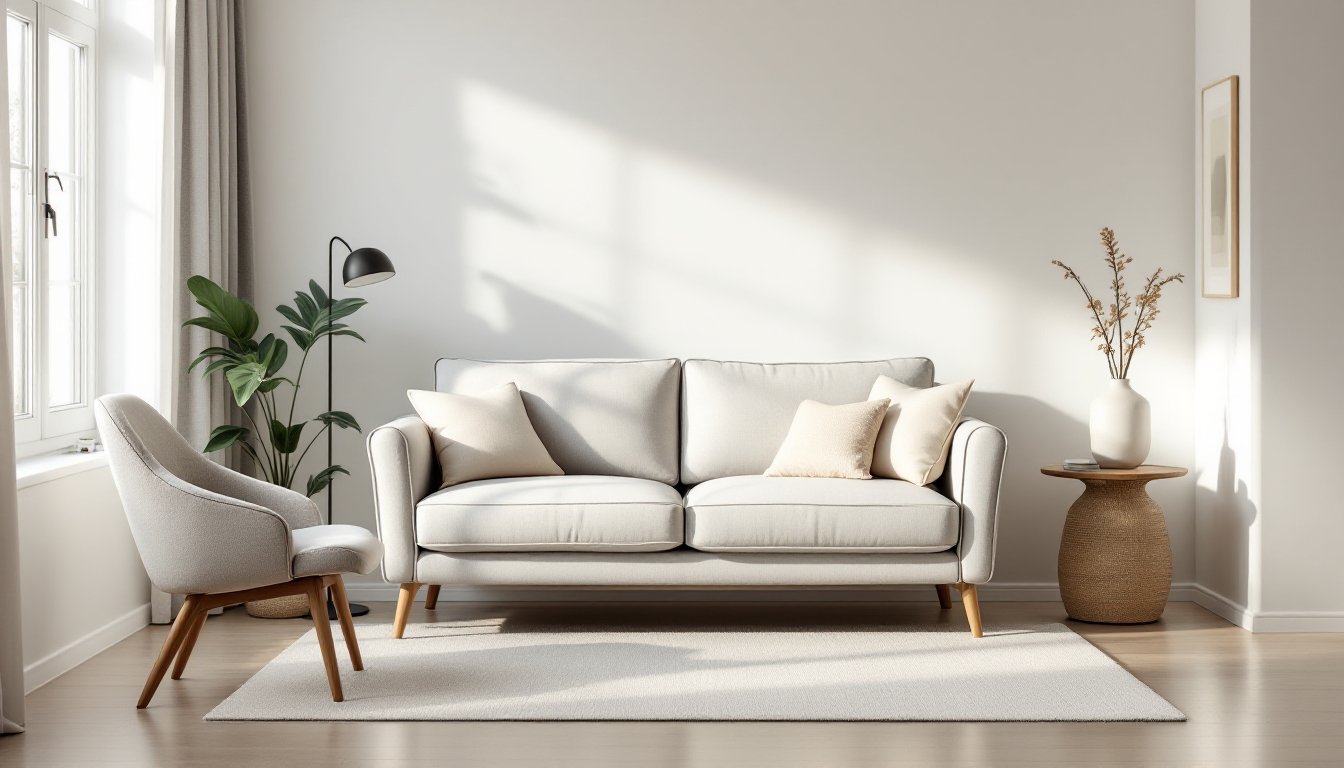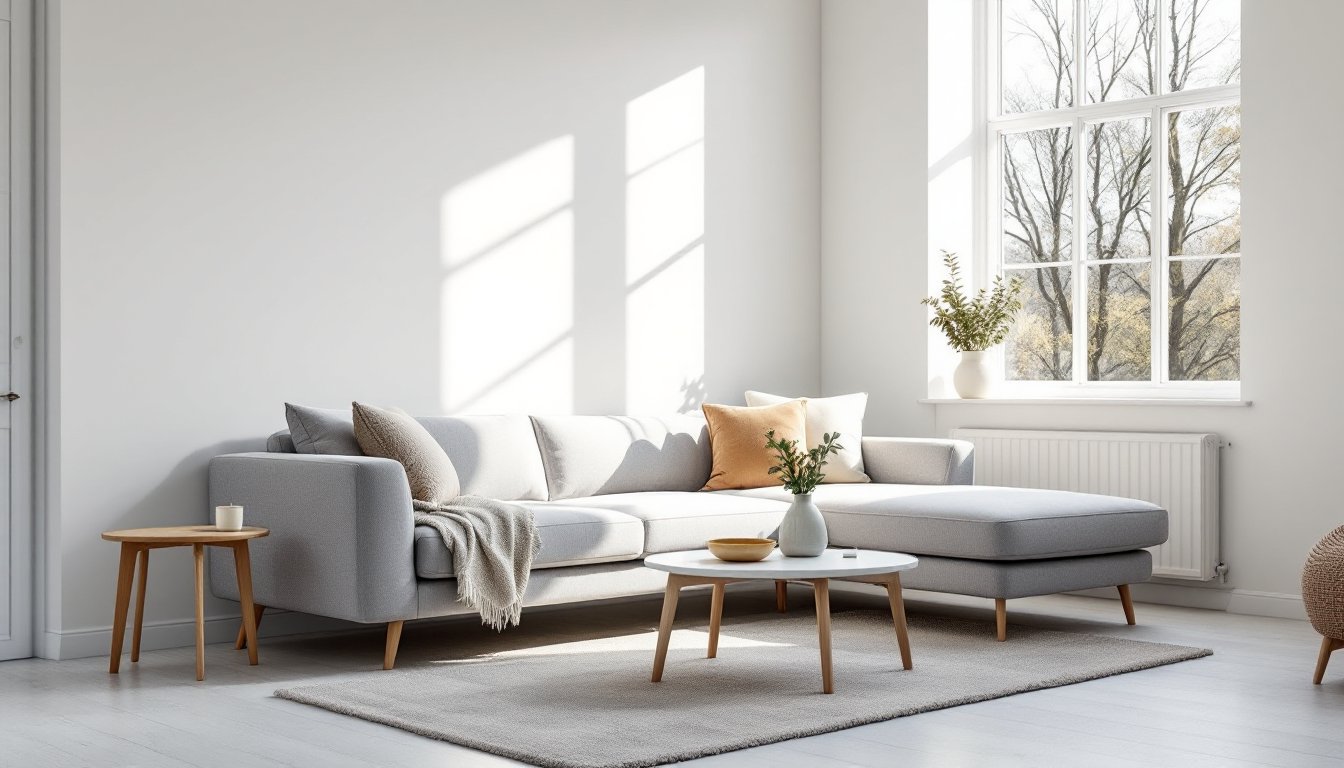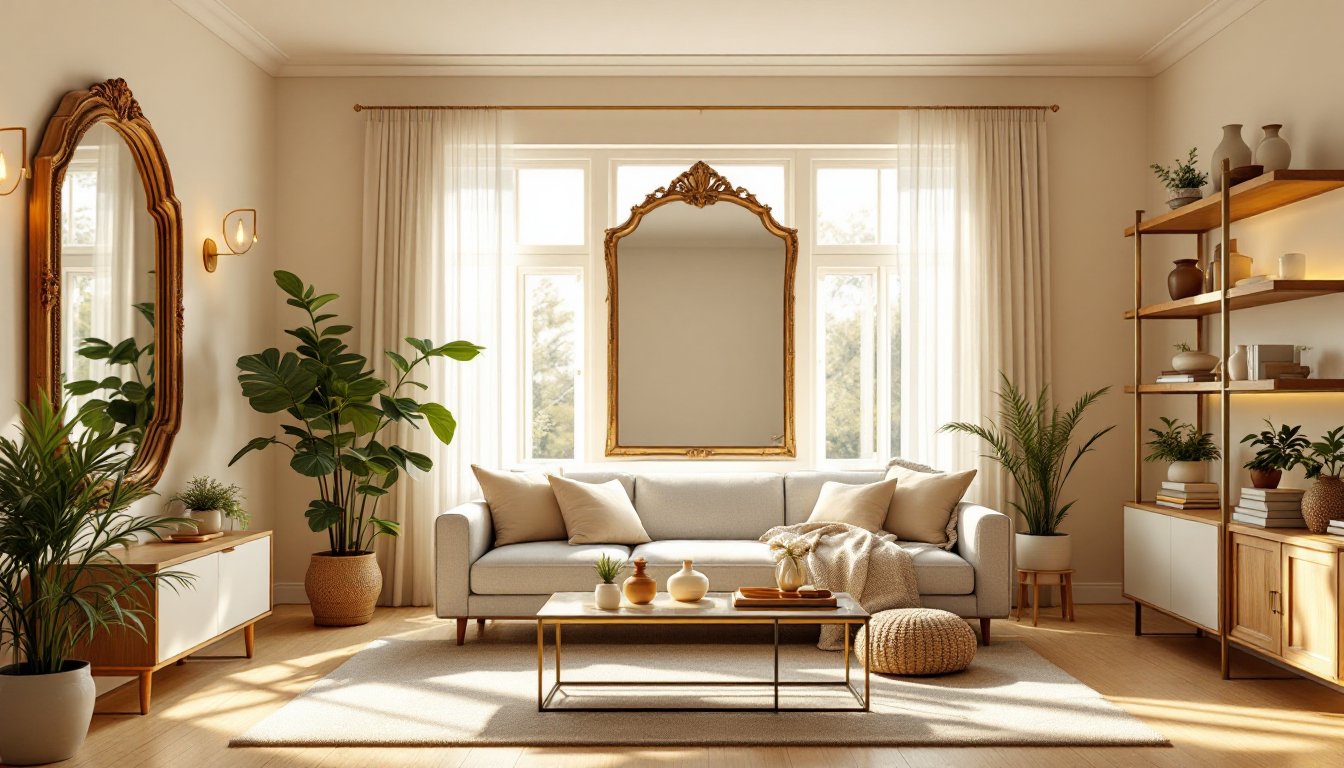
A dim living room feels smaller, colder, and less inviting, no matter how expensive the furniture is. Brightness transforms a space, making it feel larger, warmer, and more welcoming. Whether you’re dealing with a north-facing room, limited windows, or just inherited dark paint, there are practical ways to flood your living room with light. The good news is that most bright living room ideas don’t require renovation. Strategic choices about windows, color, lighting, and mirrors can make a dramatic difference. This guide walks you through seven actionable approaches to brighten your living room, each designed to work with your existing layout and budget.
Table of Contents
ToggleKey Takeaways
- Maximize natural light by choosing sheer curtains and lightweight cellular shades that allow diffused light to flood your living room while maintaining privacy.
- Paint walls and ceilings in warm whites, pale grays, or soft beiges to reflect light effectively, as light color palettes are one of the most impactful changes you can make.
- Layer your lighting with overhead fixtures (3,000K–4,000K color temperature), task lighting near seating areas, and accent lighting to create flexible zones that avoid harsh single-source brightness.
- Position large mirrors opposite windows to multiply and reflect natural light throughout the room, with mirrors at least 24–36 inches wide for maximum impact.
- Choose light-colored upholstery, low-profile furniture with exposed legs, and glass or metal frames to allow light to pass through and reflect throughout your bright living room.
- Incorporate light-colored accessories like white bookshelves, pale wood items, and bright artwork to prevent clutter from darkening visual space without requiring major renovation or expense.
Maximize Natural Light With Smart Window Treatments
Your windows are the primary source of natural light, so don’t cover them up without reason. Heavy drapes, thick blinds, and darkened shades block light even when open, and some homeowners never fully open them. The fix is straightforward: choose window treatments that let light pass through while still providing privacy and insulation.
Sheer curtains are the most effective choice for brightening a room. They filter harsh sunlight, reduce glare, and maintain sightlines to the outdoors, all while allowing diffused light to flood the space. Pair them with a lightweight roller shade or cellular shade that you can raise completely during the day. Cellular shades (also called honeycomb shades) offer the bonus of thermal insulation in the winter without the bulk of traditional blinds.
If privacy is critical, layer treatments: install a sheer curtain panel inside the window frame and reserve heavier drapes for evenings only. Many people find that once they remove daytime layers, they never put them back. Another quick win is to remove valances or trim around windows that visually crowds the upper frame, clearing that space makes the window feel larger and brighter. Keep the color of your window treatments neutral or light: a white or cream sheer allows maximum light penetration. Dark or patterned fabrics absorb light instead of reflecting it.
Choose Light Color Palettes for Walls and Larger Surfaces
Paint color is one of the most impactful, and easiest, changes you can make. Light walls reflect light throughout the room, while dark walls absorb it. This doesn’t mean your living room has to feel sterile: plenty of soft, warm tones work beautifully.
Crisp whites and soft creams are the gold standard for brightness, but they can feel cold if you’re not careful. Choose warm whites (ones with subtle yellow or gray undertones) rather than pure bright whites, which can feel harsh under artificial lighting. Brands like Benjamin Moore’s Chantilly Lace or Sherwin-Williams’ Alabaster are warm whites that work in most lighting conditions.
Pale grays, soft beiges, and light warm taupes also reflect light effectively while adding sophistication. The key is to paint large surfaces, walls, ceilings, in the lightest tones. Many people overlook the ceiling: painting it white or a very light color makes the room feel taller and brighter. Darker accent walls can work in bright rooms, but use them sparingly and pair them with light trim and adjacent walls. Before committing, get a paint sample and test it on your wall in natural and artificial light over several days. Paint color shifts dramatically depending on time of day and light source, what looks perfect at the paint counter might feel different in your specific room.
Don’t forget flooring and larger furniture. Light wood floors or pale area rugs contribute to overall brightness. Avoid very dark furniture if possible, or use light throw pillows and blankets to break up the mass.
Layer Your Lighting for Flexibility and Brightness
Natural light alone won’t cut it during evenings or cloudy days. A bright room relies on intentional artificial lighting with multiple sources.
Overhead Lighting and Task Lighting Options
Start with overhead lighting, a ceiling fixture, chandelier, or flush mount, that provides general illumination across the entire room. Many older homes have a single recessed light or small fixture: upgrading to a brighter, more efficient option pays dividends. Look for fixtures rated 3,000K to 4,000K color temperature (neutral to cool white), which feels bright and energizing. LED bulbs are essential here: they consume far less energy, last much longer, and come in various brightness levels measured in lumens. For a typical living room, aim for 1,500 to 3,000 lumens depending on room size.
Task lighting targets specific areas: reading, games, or detailed work. Table lamps with light-colored shades placed near seating areas ensure adequate light without spreading diffuse light everywhere. A tall arc lamp behind a sofa or chair adds brightness to a dark corner. Wall sconces flanking a sofa or mounted beside artwork illuminate without taking up surface space.
Accent lighting, small fixtures highlighting artwork or architectural features, adds depth and visual interest. Recessed lights above wall art, track lights, or picture lights all contribute to the overall brightness. The layering approach means you’re not relying on a single bright overhead light that can feel harsh or institutional. Instead, you’re creating zones of light that feel natural and flexible.
Use Mirrors and Reflective Surfaces Strategically
Mirrors are the secret weapon of interior designers for brightening dark rooms. A mirror positioned opposite a window reflects natural light back into the room, effectively multiplying available brightness. Hang a large mirror on the wall across from your primary window to bounce light throughout the space. Even mirrors on adjacent walls to windows work effectively.
Size matters: a small mirror has minimal impact. Look for mirrors at least 24 to 36 inches wide, or group smaller mirrors together to create visual weight and reflection. A floor-to-near-ceiling mirror on one wall instantly makes a room feel larger and brighter. Frame style is flexible, ornate, simple, wood, metal, as long as the mirror itself is reflective and substantial.
Beyond traditional mirrors, incorporate other reflective surfaces. Glossy or satin finishes on wall paint, furniture, and décor reflect light more than matte finishes. Metallic accents, brass, chrome, or gold, catch and bounce light throughout the room. Glass side tables, lucite or acrylic furniture, and polished surfaces on shelving all contribute subtle reflectivity that accumulates into noticeable brightness. Avoid flat, non-reflective matte paint finishes in light colors: choose satin or eggshell instead for better light bounce.
Incorporate Light-Reflecting Furniture and Accessories
Your furniture choices affect how light moves through the room. Low-profile furniture with exposed legs allows light to pass beneath and around pieces, rather than creating solid visual blocks. Furniture with glass, lucite, or metal frames (like a glass coffee table or metal-leg sofa) maintains sightlines and reflects light.
Light-colored upholstery bounces light, while dark fabrics absorb it. If you’re buying or replacing seating, consider cream, pale gray, or soft taupe fabrics. Leather and linen also reflect light more effectively than heavy velvet or dark microfiber. For existing dark furniture, light throw pillows, blankets, and slipcovers visually lighten the pieces without replacement.
Accessories and décor matter more than many realize. White bookshelves, light wooden shelving, and pale-toned wall art contribute to overall brightness. Avoid cluttering surfaces with too many dark objects. Items like white vases, pale wood accessories, and light-toned books on shelves fill space without darkening it. Indoor plants with green foliage bring life and brightness, many homeowners find that Indoor Plants for Living rooms transform the energy of a space. Artwork also plays a role: pieces with light backgrounds or bright colors feel more energizing than dark, heavy paintings. Wall art doesn’t have to be expensive: even Living Room Wall Art can brighten a space when chosen thoughtfully with light tones and reflective finishes.
Conclusion
Brightening a living room doesn’t require a complete renovation or major expense. Start with what makes the biggest impact: optimize natural light with smart window treatments, paint walls in light, warm tones, and layer your lighting. Add mirrors opposite windows, swap in light-colored furniture and accessories, and commit to regular tidying to prevent clutter from darkening visual space. Most homeowners notice a transformation within days of implementing even two or three of these ideas. A brighter, lighter living room becomes the heart of your home, a space where people want to gather, relax, and spend time.