Blue and brown living rooms have become a go-to choice for homeowners seeking a design that feels both contemporary and timeless. This color pairing draws inspiration from nature, think cloudless skies meeting rich earth tones, creating a foundation that’s inherently calming yet sophisticated. Whether you’re refreshing your current space or planning a full living room overhaul, blue and brown offers versatility that works with traditional, modern, and eclectic styles. The beauty of this combination lies in its balance: blue cools and expands visually, while brown grounds and warms. Together, they create a living space that’s inviting without feeling trendy or forced. In this guide, we’ll walk through practical color combinations, furniture placement strategies, and lighting ideas that’ll help you nail the blue and brown aesthetic in your home.
Table of Contents
ToggleKey Takeaways
- Blue and brown living room designs combine the calming properties of cool blues with the grounding warmth of brown tones, creating a timeless aesthetic that works across traditional, modern, and eclectic styles.
- Navy blue with warm chocolate brown is the most versatile and sophisticated pairing, while soft sky blue with tan and beige creates a lighter, more relaxed atmosphere suitable for mid-century or contemporary spaces.
- Furniture arrangement should prioritize a clear focal point and balance brown grounding elements (wood tables, leather chairs) with blue accents (upholstered pieces, curtains, accent walls) to create visual movement and depth.
- Warm white lighting at 2700K color temperature enhances brown tones and prevents the space from feeling cold, while layered lighting with table lamps, sconces, and accent fixtures completes the blue and brown aesthetic.
- Add personality through accessories like patterned throw pillows, area rugs that blend both colors, natural elements like plants and woven baskets, and artwork that bridges blue and brown with cream, gold, or soft green accents.
- The blue and brown color combination is naturally forgiving with existing furniture, works well across seasons, and ages gracefully without feeling dated, making it a smart long-term investment for your home.
Why Blue and Brown Creates a Calming, Timeless Living Space
Blue and brown work together because they tap into fundamental design principles rooted in nature and psychology. Cooler blues trigger relaxation, studies show blue environments reduce stress levels and lower heart rate. Warmer browns provide grounding and stability, preventing the space from feeling cold or clinical. This contrast is what makes the pairing so effective: neither color dominates, and they don’t compete for attention the way, say, red and green might.
From a practical standpoint, this combination is forgiving. If you’re working with existing furniture or flooring, chances are you already have a brown tone in the room. Adding blue accents, through paint, textiles, or artwork, transforms the space without requiring a complete overhaul. The color duo also ages well. Unlike trendy grays or warm whites that can feel dated in a few years, blue and brown has remained a staple in interior design for decades, which means you’re making a smart long-term investment in your home’s appeal.
Another advantage: this palette works across seasons. In summer, the blue feels fresh and airy: in winter, the brown adds warmth and coziness. You can shift the mood by adjusting accent colors, adding warm metallics in fall, cool silvers in winter, without repainting or replacing major elements.
Color Palette Combinations That Work
The key to a successful blue and brown living room is choosing the right shades for your space. Not all blues pair equally with all browns, and proportions matter just as much as hue selection.
Navy Blue with Warm Chocolate Brown
Navy blue and chocolate brown is the workhorse combination, timeless, sophisticated, and naturally complementary. Navy anchors the space with depth and formality, while warm chocolate (think rich wood tones or warm taupe-brown walls) keeps it from feeling too corporate or sterile. This pairing works beautifully in log home living rooms where exposed wood beams and natural materials already echo brown tones.
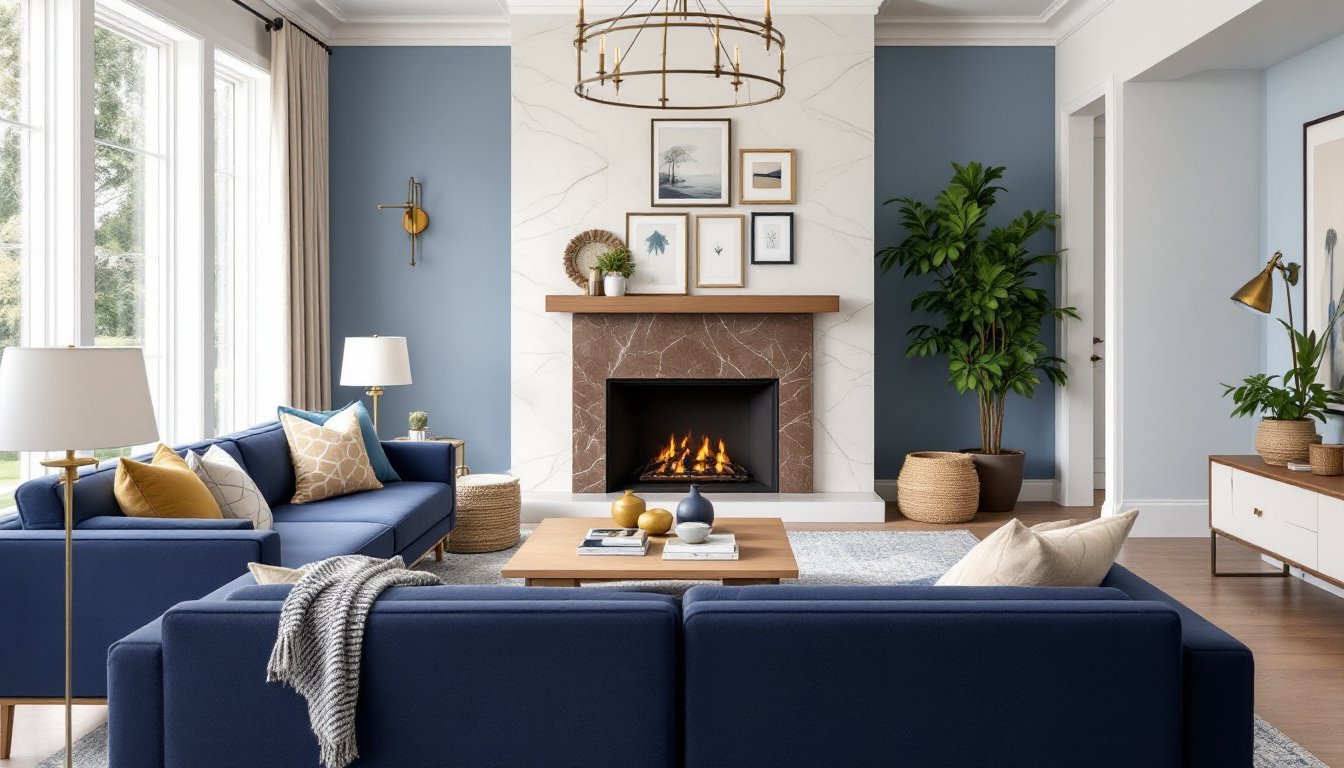
Practically speaking, use navy as your dominant color, think upholstered sofa or accent wall, and let chocolate brown appear in secondary elements like a wood coffee table, area rug, or built-in shelving. Add neutrals like cream, off-white, or light gray to prevent the space from feeling heavy. Metals like brass or bronze hardware reinforce the warmth without clashing.
Soft Sky Blue with Tan and Beige Accents
If navy feels too formal, soft sky blue paired with tan and beige creates an airier, more relaxed vibe. This works particularly well if you’re going for a mid-century living room aesthetic or a luxury living room feel. Sky blue on walls or a large sectional keeps the room light and open, while tan upholstery, a caramel-toned wood accent table, and beige throw pillows add warmth without overwhelming the space.
This softer approach pairs beautifully with natural materials, linen, jute, light oak wood, and works well in rooms with plenty of natural light. If your living room gets strong afternoon sun, sky blue actually helps counteract glare and maintains a cool, comfortable atmosphere. Layer in textural elements like a chunky knit throw or a woven basket to add visual interest without relying on bold colors.
Furniture Arrangement and Layout Tips
Once you’ve settled on your blue and brown palette, furniture placement determines whether the space feels intentional or cluttered. Start by identifying your focal point, typically the TV, fireplace, or a large window. Arrange seating to face this anchor point, leaving walkways clear and unobstructed.
With blue and brown, resist the urge to match everything to the palette. A living room gallery wall with varied frame colors, black accents, or even pops of muted green creates visual depth and prevents the room from feeling monotonous. Your brown furniture (wood tables, leather chairs, caramel-toned sofas) grounds the arrangement, while blue elements, upholstered pieces, curtains, or an accent wall, draw the eye upward and create movement.
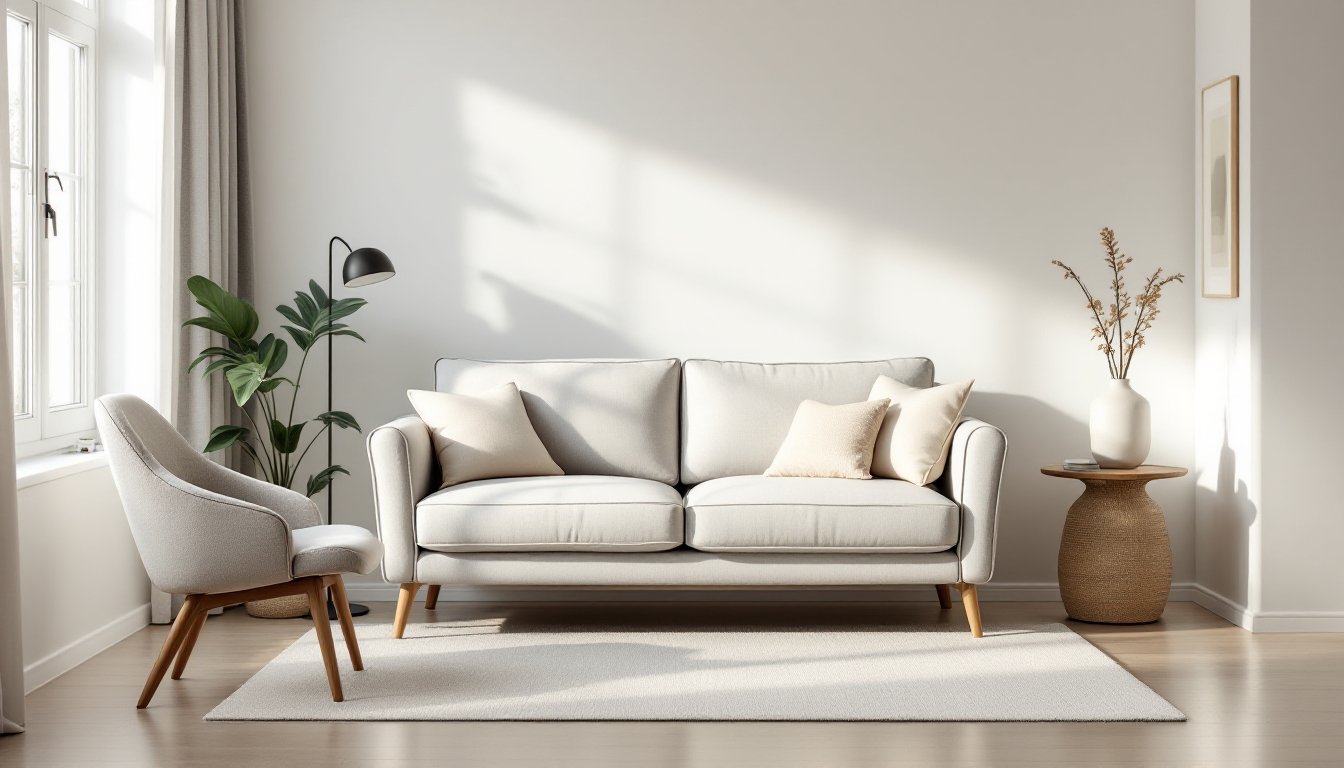
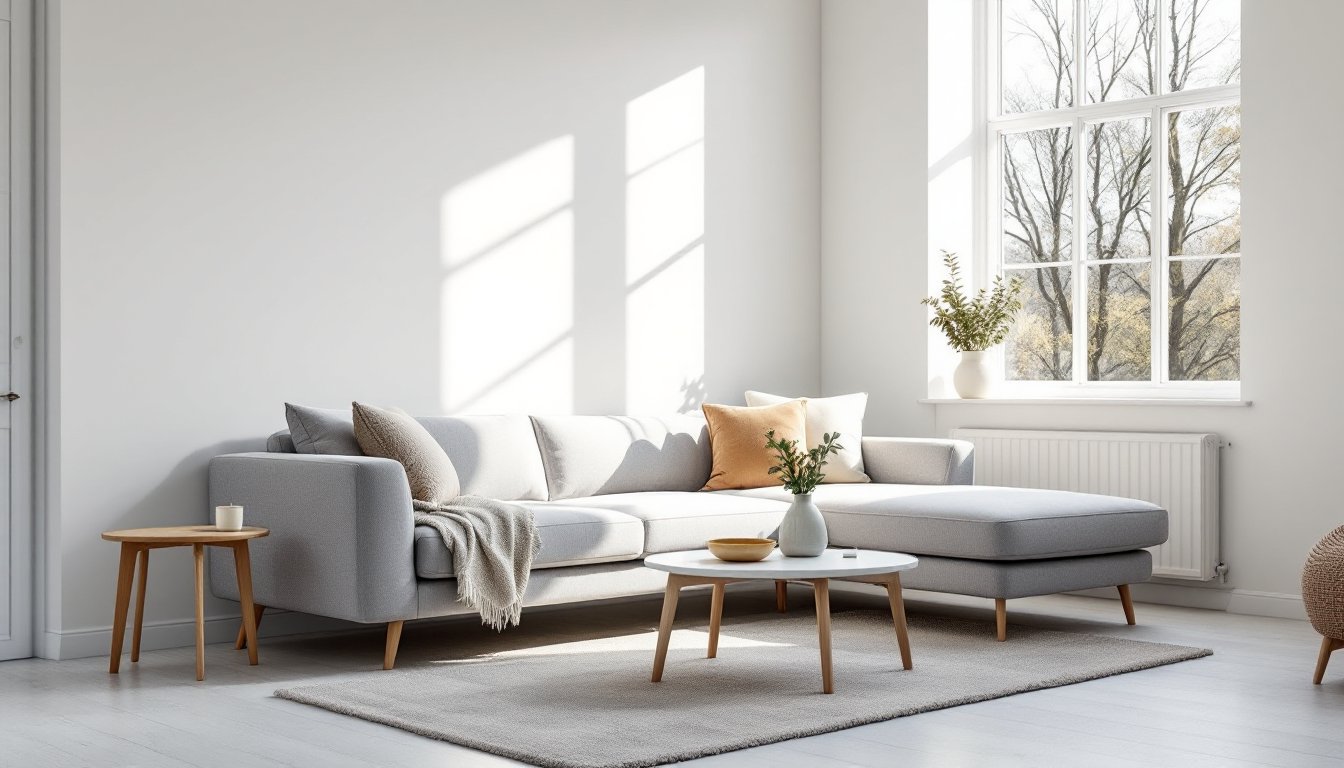
For smaller rooms, keep larger pieces in neutral tones (a gray sofa, cream sectional) and use blue and brown in accents, throw pillows, a rug, wall color. In larger rooms, you can anchor the space with a navy sofa or blue accent wall without overwhelming the eye. Placement of brown elements is equally important: a coffee table in medium brown wood anchors the seating arrangement, while floating shelves with brown backing keep the wall from disappearing into whiteness.
Don’t forget about scale. A large show home living room can handle bold blue walls and substantial brown furniture pieces. Smaller spaces benefit from using blue and brown as accent layers rather than dominant wall colors. And remember: furniture should float slightly away from walls in most modern layouts, it creates definition and makes the room feel larger.
Lighting and Accessory Ideas to Complete the Look
Lighting is where blue and brown living rooms either sing or fall flat. These colors absorb light differently, so your fixtures need to be strategically placed. Warm white bulbs (2700K color temperature) complement brown tones and prevent the space from feeling cold. Cool white bulbs (4000K) pair better with blue but can make brown look dingy, so use them sparingly, perhaps in task lighting or reading areas.
Incorporate layered lighting: overhead fixtures for ambient light, table lamps or wall sconces for task lighting, and accent lighting (like LED strips behind shelving) for drama. A brass or bronze chandelier naturally reinforces the warmth of brown tones while adding a touch of luxury living room sophistication. Pendant lights with blue glass or ceramic shades echo your color palette while providing functional light.
Accessories are where personality enters. Throw pillows in complementary patterns, perhaps a geometric blue pillow paired with a solid tan linen cover, add texture and visual interest. A patterned area rug that blends blue and brown tones anchors the seating area and defines the space. Artwork matters too: interior design platforms like MyDomaine and House Beautiful showcase how abstract pieces or landscape paintings can tie colors together. Look for color combinations that bridge blue and brown, creams, golds, and even soft greens work beautifully.
Final touches: incorporate natural elements like potted plants, wooden baskets, or woven wall hangings. A traditional home living room might display blue and white pottery or ceramic accents, while a modern space calls for sleek brass plant stands and minimalist art. Don’t forget textiles, a chunky knit throw in cream or gray, curtains in linen or lightweight fabric, these ground the color story in comfort and texture.
Conclusion
A blue and brown living room doesn’t require expensive overhauls or trendy shortcuts. Start with your favorite shade of blue and brown, add layers through accessories, and let natural light shape the mood throughout the day. This combination rewards patience and thoughtful placement, rush it, and the space feels generic: take time with it, and you’ll create a room that feels uniquely yours. The result is a living space that’s restful, sophisticated, and built to last.