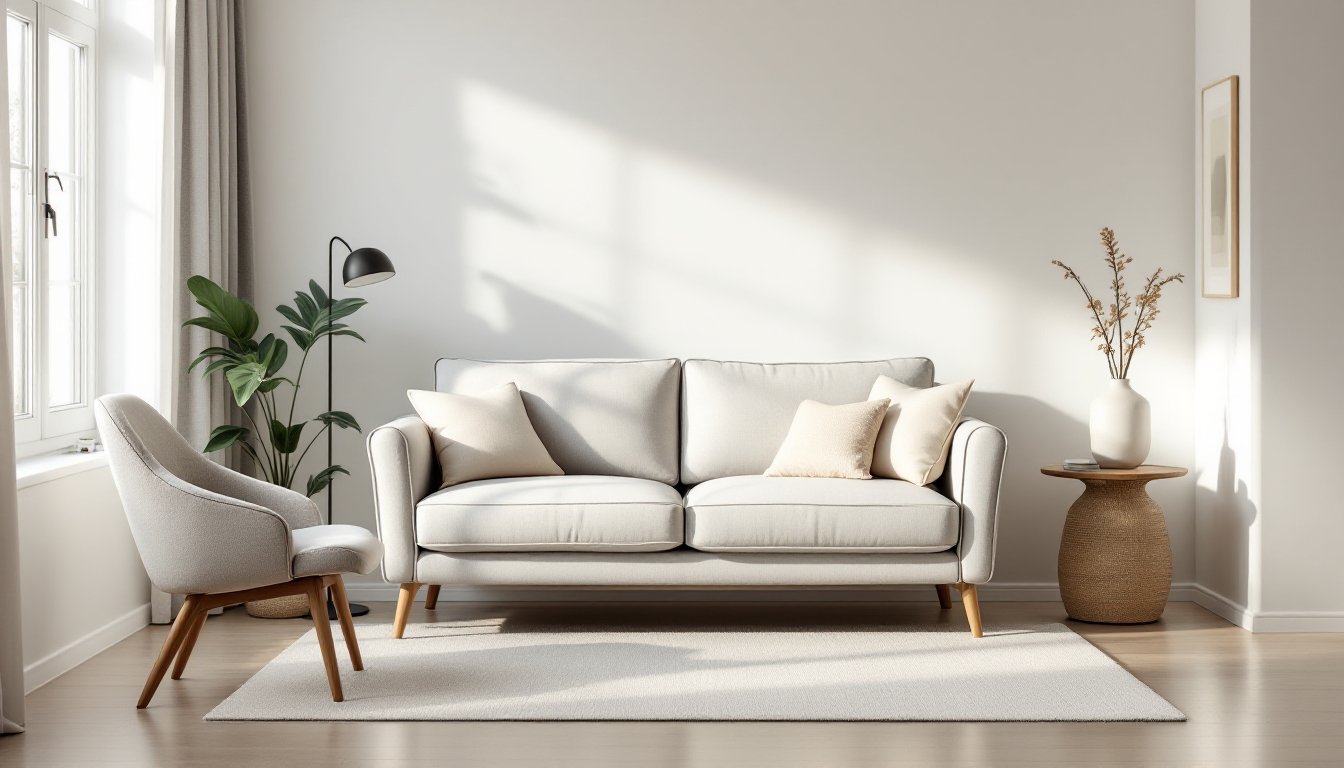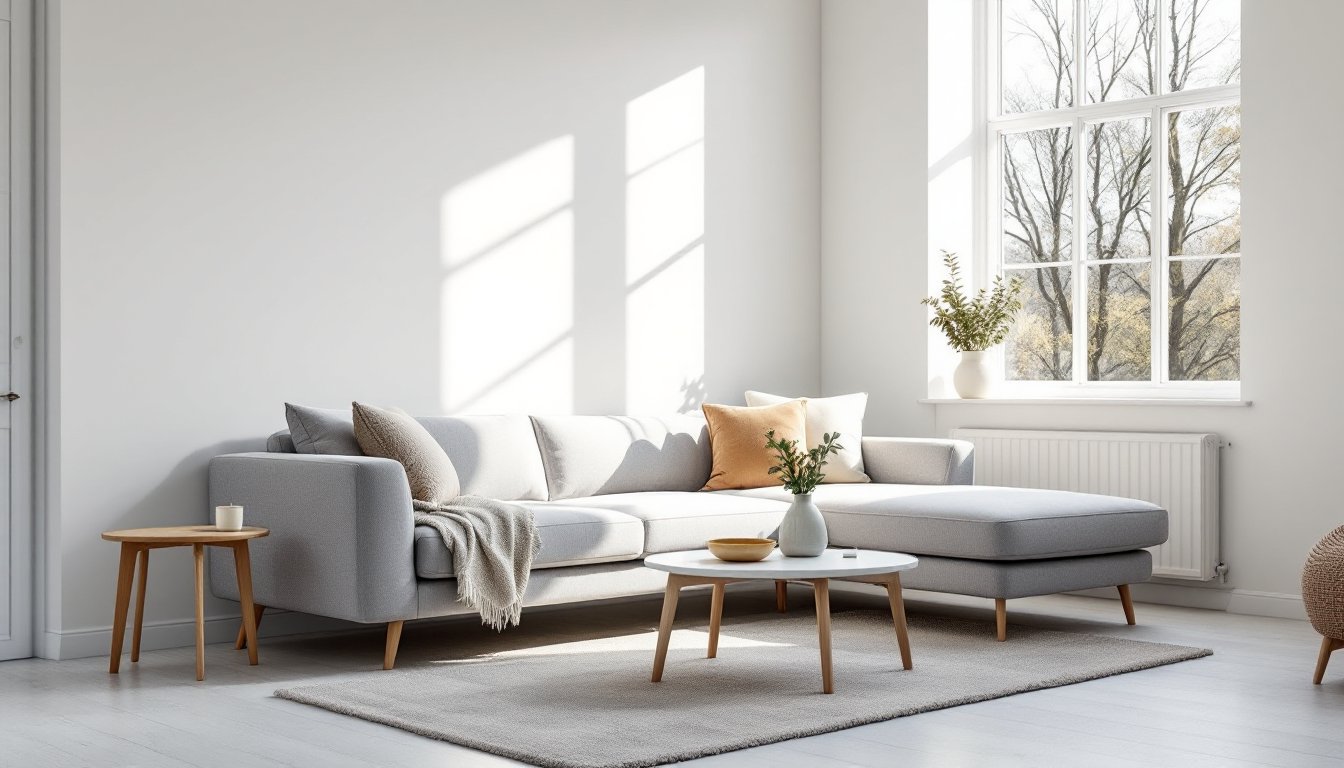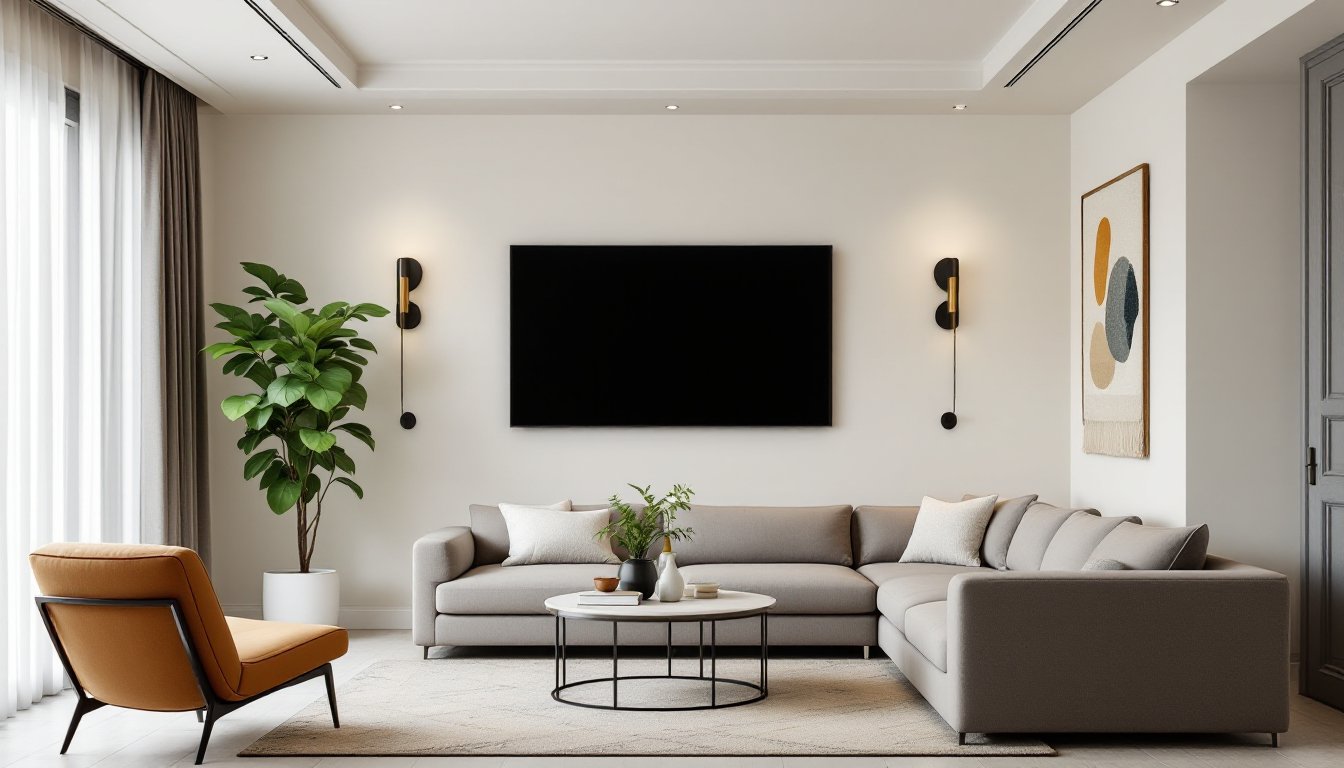
Placing a TV in the corner of a living room has become a smart move for homeowners seeking both style and functionality. Whether you’re working with a compact apartment, a sprawling family room, or anything in between, a corner TV setup removes the focal point from the center of the room and opens up surprising layout possibilities. This approach isn’t just practical, it’s a design strategy that lets you arrange furniture more flexibly, create conversation zones away from the screen, and make underutilized wall space earn its keep. The real win? You’ll maximize the usable floor area while maintaining sightlines from multiple seating positions.
Table of Contents
ToggleKey Takeaways
- A corner TV living room layout frees up wall space and eliminates awkward dead zones, allowing for flexible furniture arrangements and multiple conversation zones.
- Position a sectional sofa perpendicular to the TV wall with the shorter return along the TV wall itself, maintaining 7–10 feet front-facing clearance depending on screen size.
- Corner TV mounting relies on wall studs for stability—use lag bolts or structural fasteners rated for 40–80 pound flat-screens, avoiding drywall anchors alone.
- Mount the TV’s center at 48–60 inches from the floor for optimal eye-level viewing when seated, and test the setup before family viewing habits solidify.
- Layer your lighting with ambient, task, and accent sources while using cable raceways and power strips hidden behind furniture to maintain a polished appearance.
- Keep décor minimal and intentional around the corner TV—opt for a few larger statement pieces and a tall plant to draw the eye and create visual balance without competing with the screen.
Why Corner TV Placement Works for Modern Living Rooms
A corner TV setup addresses a fundamental challenge in living room design: the TV doesn’t need to dominate the entire space. By anchoring your screen in the corner, you free up wall area for other purposes, a gallery wall, bookshelves, or simply breathing room. This is especially valuable in smaller spaces where every square foot matters.
Corner placement also eliminates the awkward dead zones that often appear with center-wall TV mounting. Seating arrangements become less rigid: you’re not forced to arrange everything in a single sightline facing the screen. Instead, you can create intimate conversation areas, position reading nooks, or angle furniture for more dynamic room flow.
From a structural standpoint, corners are ideal for TV mounting. Most living room corners align with wall studs (the vertical 2×4 framing behind drywall), providing solid anchoring points for a TV bracket. You avoid the need to locate studs behind drywall or rely on toggle bolts in open wall sections. Code-wise, this setup typically requires no special permits, it’s a straightforward installation covered by standard electrical and mounting practices. But, always verify your local building code before running new circuits or drilling into walls.
Psychologically, a corner TV also creates visual balance. Rather than a single large focal point, the eye can wander to multiple zones within the room. Modern living room designs benefit from this decentralization, especially in homes where the TV serves multiple functions, streaming, gaming, or background viewing while entertaining.
Furniture Arrangement Strategies for Corner TV Setups
Once your corner TV is planned, furniture arrangement becomes an exercise in flow and comfort. The key is recognizing that you’re no longer designing a single focal wall: you’re creating a room where seating works toward the corner without feeling forced.
Sectional Sofa Positioning
A sectional sofa is often the best partner for a corner TV. Position the longest section perpendicular to the TV wall, with the shorter return section along the TV wall itself. This creates an L-shape that naturally wraps viewers toward the screen while defining the seating zone.
Measure your corner carefully. A standard sectional corner cushion (also called a corner piece or wedge) is usually 36–48 inches wide. Account for the depth of seat cushions (typically 28–32 inches), plus legroom in front. If your living room is tight, an apartment-scale sectional (around 7–8 feet per side) provides seating without overwhelming the space. Larger homes can handle 9–10 foot sections.
Leave at least 18 inches from the back of the sectional to walls or furniture behind it for traffic flow. Front-facing clearance to the TV should be 7–10 feet, depending on screen size. A 55-inch TV works well at 7–8 feet: 65–75 inches prefers 8–10 feet. These aren’t hard rules, but they’re rooted in comfortable viewing angles and minimize neck strain.
Consider fabric grade carefully. High-traffic sectionals benefit from performance fabrics (like Crypton or solution-dyed polyester) that resist staining. If kids or pets are in the mix, a sectional with a removable, washable cover is a practical choice. Natural materials like linen look great but demand more maintenance, factor that into your lifestyle.
Accent Chair and Table Placement
Accent chairs don’t belong in a corner TV room just for the sake of it. Position one perpendicular to the sectional, perhaps angled slightly toward the TV. A 32–36 inch-wide chair (arm to arm) leaves adequate floor space and doesn’t block sightlines.
A coffee table or console in front of the sectional should be sized proportionally. A table that’s one-half to two-thirds the sectional length works well, typically 36–48 inches long and 18–24 inches deep. Keep the top 16–18 inches above the floor to avoid knee-bumping while maintaining sight lines over it to the TV.
Side tables near accent chairs serve multiple purposes: supporting drinks, remotes, and lamps. Choose tables that complement your sectional style without cluttering the visual space. Glass or metal options feel lighter than solid wood, which is helpful in tight quarters. The interior design team at MyDomaine regularly emphasizes how secondary furniture pieces define zones without adding bulk.
Mounting and Installation Considerations
Before you drill anything, do the assignments. Locate wall studs using a magnetic or electronic stud finder, they’re typically spaced 16 inches on center (some older homes use 24-inch spacing). Studs are your best friends for TV brackets: they provide the load-bearing capacity your TV needs.
Most modern flat-screen TVs weigh 40–80 pounds depending on size. Your bracket and fasteners must support this weight plus cable strain. Use lag bolts or structural screws rated for your wall type. Drywall anchors alone are insufficient, they’ll fail over time. Always bolt into studs using 3/8-inch lag bolts or equivalent structural fasteners, sunk at least 1.5 inches into the stud.
Bracket types matter. Full-motion arms allow tilting and swiveling but add 6–10 inches of depth from the wall. Fixed mounts sit flush (4–6 inches from wall) but limit viewing angle adjustments. Tilt mounts are a middle ground, they don’t swing out but let you angle the screen down if it’s mounted high. For corner placement, a full-motion bracket is worth the extra depth: it compensates for awkward viewing angles if seating isn’t perfectly aligned.
Height matters too. The center of the screen should be at or slightly below eye level when you’re seated, roughly 48–60 inches from the floor to the screen’s center. If you’re mounting above a fireplace or in a tall corner, you may need to look up slightly, which causes fatigue. Measure twice, drill once.
Electrical work is essential. If there’s no outlet in your corner, you’ll need to run a new circuit or use in-wall power conduit to hide cables. Running electrical to a new outlet typically requires a licensed electrician and a permit (codes vary by jurisdiction). DIY circuit installation is not recommended unless you have experience, miswiring creates fire hazards. Budget $200–500 for professional installation if no outlet exists nearby. Alternatively, power strips and cord covers can work temporarily, though they’re less elegant.
Testing is your friend. Mount the TV, seat in your favorite chair, and spend 20 minutes watching. Are you craning your neck? Are reflections from windows washing out the picture? Adjust now, before your family settles into viewing habits.
Lighting, Cable Management, and Décor Tips
Lighting transforms a corner TV setup from functional to polished. Avoid harsh overhead lighting that creates glare on the screen. Instead, layer three types of light: ambient (soft background), task (for reading or activities away from the TV), and accent (highlighting architectural features or art).
Wall sconces flanking the TV work well, they light the corner without hitting the screen directly. A dimmer switch lets you control brightness based on time of day. Recessed lighting in the ceiling (6–8 feet from the TV wall) provides general ambient light without glare. If wiring recessed lights isn’t feasible, plug-in LED strip lights behind floating shelves or picture frames add depth without the installation cost.
Cable management makes or breaks a corner TV’s appearance. Running cables behind drywall requires a stud finder, drill bits, and a drywall saw, or hire a pro. For renters or quick setups, cable raceways (plastic channels that mount to the wall) hide cords and look intentional. Paint them to match your wall color. Run all cables, power, HDMI, ethernet, through a single raceway to reduce visual clutter.
A power strip mounted directly behind the TV (secured to the bracket or wall) keeps everything powered without trailing cords across the room. Label each connection with tape or a label maker: future you will appreciate it when troubleshooting. Mount the strip out of sight if possible, or behind a decorative console.
Decor around the corner TV should breathe. Avoid packing shelves or hanging 20 picture frames. Instead, choose a few larger pieces, two abstract prints, a woven tapestry, or a single statement mirror, that anchor the corner without competing with the screen. Styling inspiration from Apartment Therapy consistently shows that restraint in decorative layering makes spaces feel larger and more intentional.
Plants are underrated. A tall floor plant or potted fiddle leaf fig in the corner opposite the TV draws the eye and softens hard corners. It also improves air quality, a practical bonus. Ensure the plant doesn’t block walkways or sightlines to the TV from secondary seating.
Color coordination matters. If your walls are neutral, the corner TV and bracket will fade into the background. A slightly darker wall paint in the corner (one shade deeper than the main color) creates visual definition without demanding attention. Alternatively, a textured wallpaper, shiplap, linen-look, or subtle geometric, adds character and hides imperfections in an older corner. Professionals at Homedit routinely highlight how corner treatments anchor rooms visually while adding texture and warmth.
Conclusion
A corner TV living room layout is a strategic design choice that reclaims floor space, simplifies furniture arrangement, and opens doors to flexible seating zones. By anchoring your TV in the corner with a solid mount, positioning your sectional thoughtfully, and layering lighting and cable management, you create a room that works for watching movies, hosting conversations, and living life. The work happens upfront, in planning, measuring, and installation, but the payoff is a living room that feels intentional, functional, and genuinely yours for years to come.